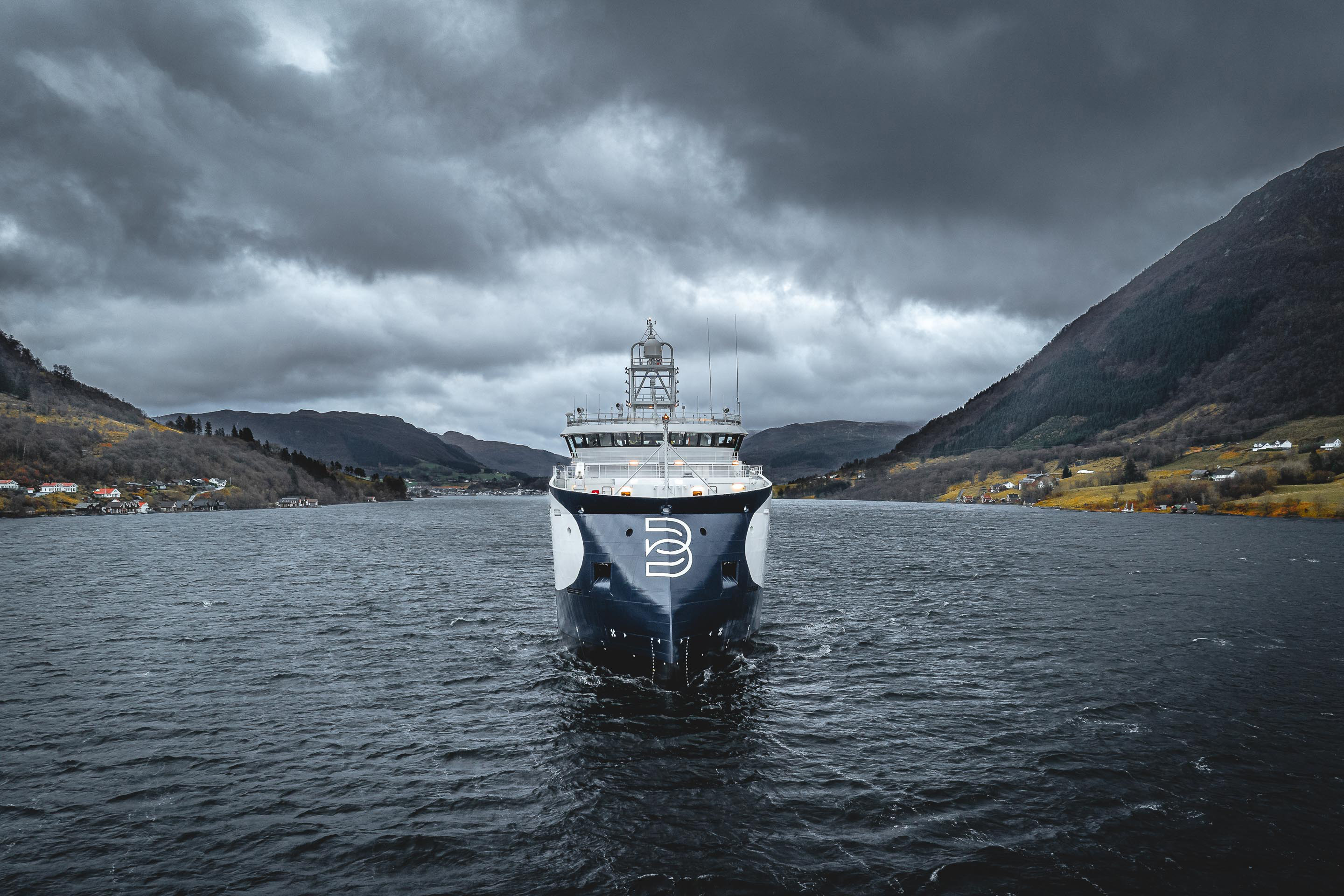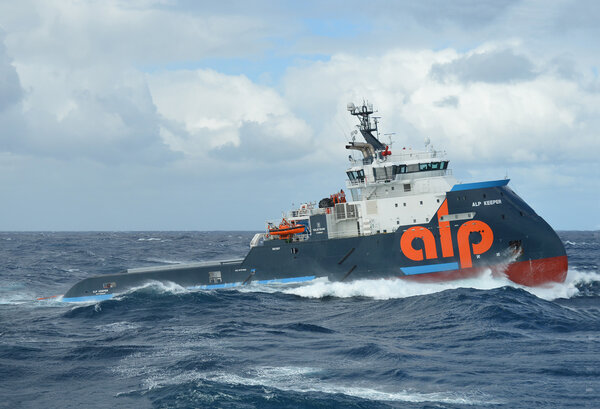
ALP Keeper in stormy weather

What it’s really like to sail an ULSTEIN X BOW® vessel – in the words of those on board

When the ULSTEIN X‑BOW® was introduced in 2005, it changed how vessels meet waves head-on. But the true impact of the design is not found in drawings or simulations; it is felt on board. Across offshore, fisheries and expedition cruise vessels, crews consistently describe the same experience: less motion, less noise, less fatigue, and more time doing the job. 

I’ll never again work on any other type of vessel in winter.

Crew member on an X BOW® vessel

Comfort that changes how people work and sleep

On conventional vessels, slamming, vibration and noise are accepted as part of life at sea. On an X‑BOW®, they are not.

Captains, technicians and passengers describe a quieter ship, reduced vibration and a smoother ride, even in heavy seas. This has a direct effect on safety, wellbeing and performance.
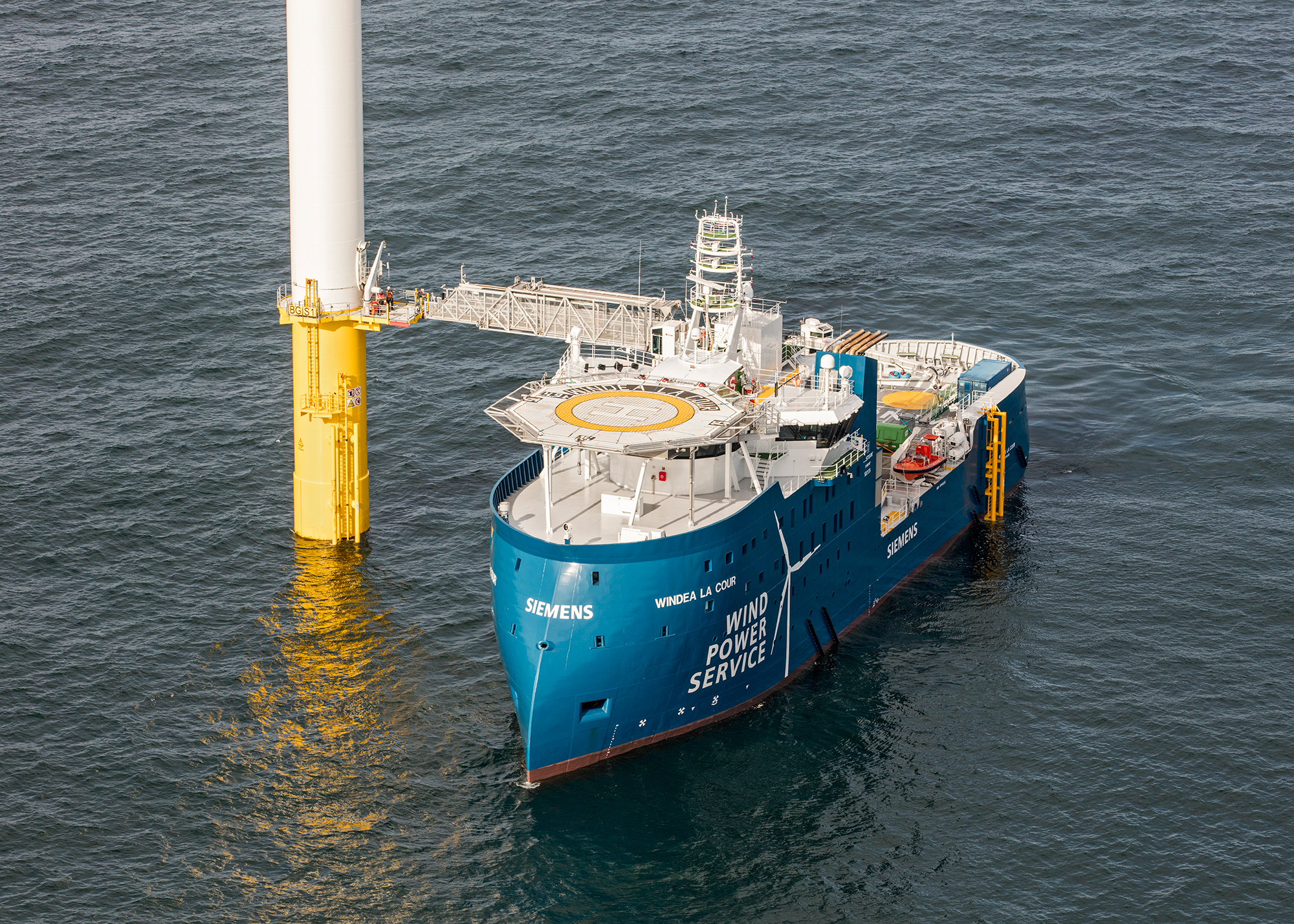
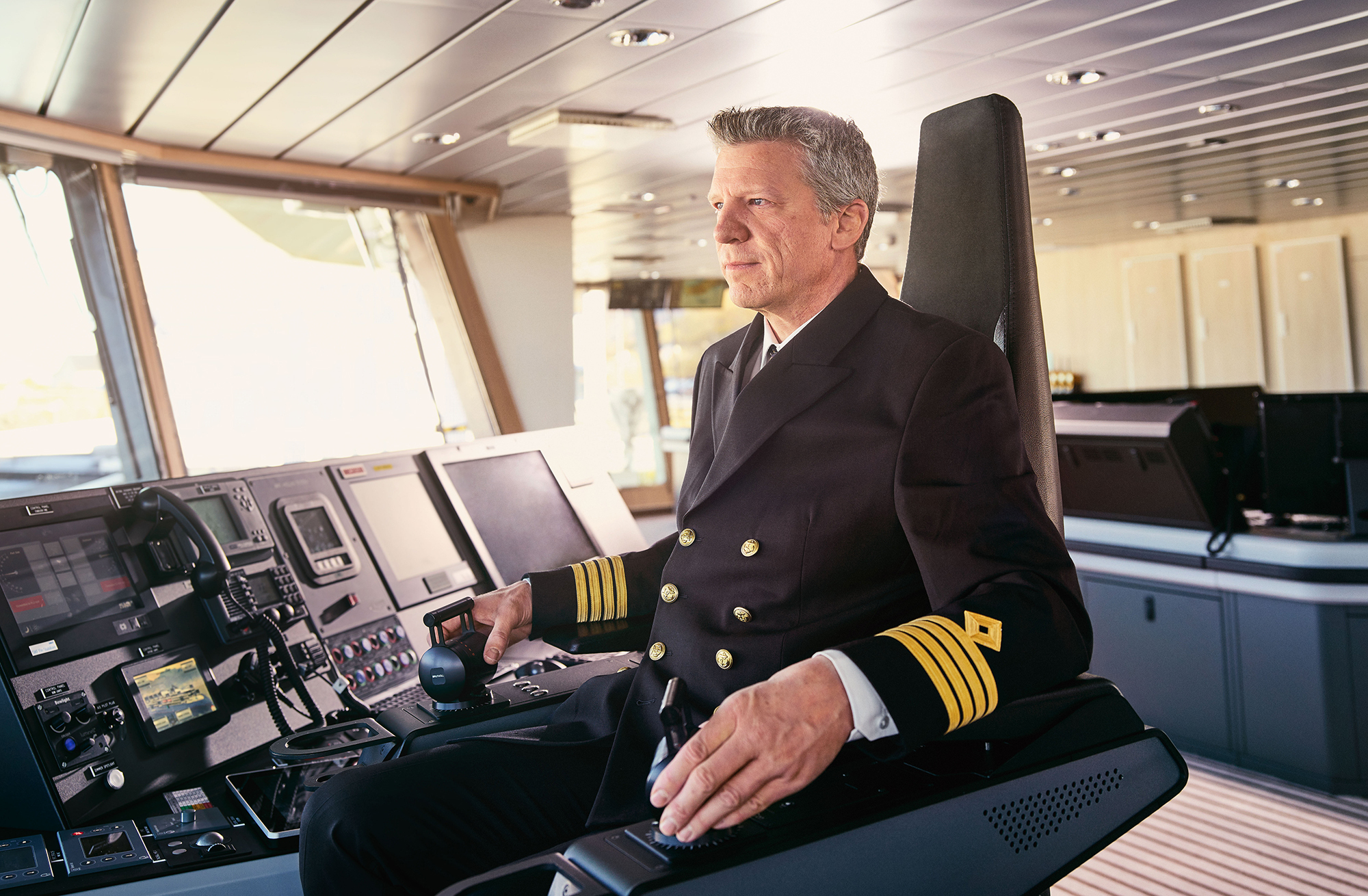
It is very silent on board and very little vibrations. This is a good and pleasant workplace.

Captain, CSOV Windea La Cour

For technicians and working passengers, this means arriving rested and ready. For expedition guests, it means a very different experience of long ocean crossings.

Web Albatros Expeditions I Christian Kruse 68 37188816

Maintaining speed when others slow down

One of the most frequently mentioned advantages of the X‑BOW® is the ability to keep speed in head seas, where conventional bows are forced to slow down.

Captains report higher average transit speeds, fewer weather-related delays and more predictable schedules.

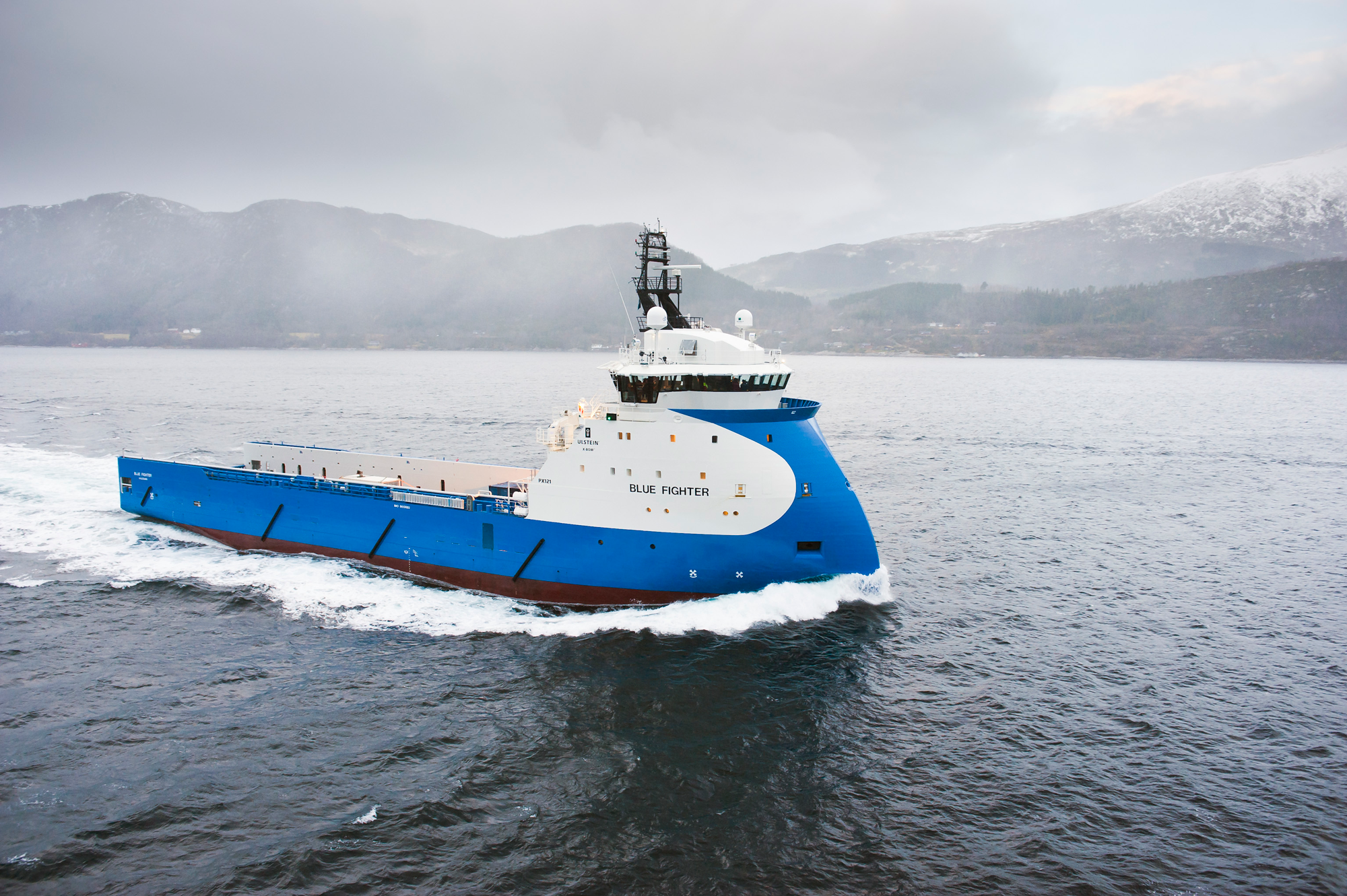
With 3–5 metre head seas, we can comfortably maintain 12–13 knots, while other vessels slow to 7–8 knots. 

Captain, PSV NAO Fighter (first name Blue Fighter)

In practical terms, this means:

  • Completing missions within weather windows
  • Fewer aborted operations
  • More reliable logistics and planning

A different experience in extreme conditions

The difference becomes even more noticeable in harsh environments such as the North Atlantic, the Southern Ocean and polar regions.

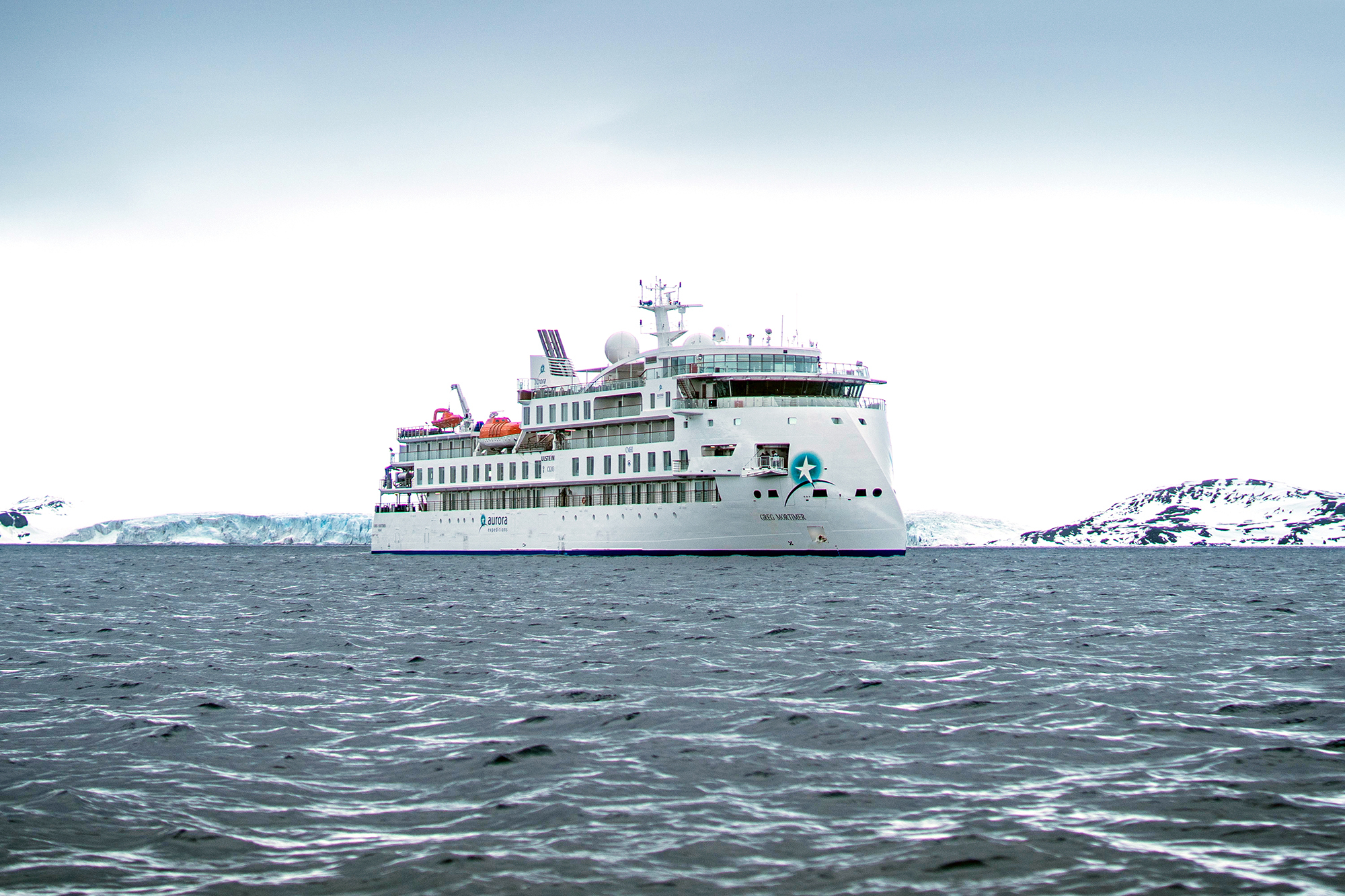
Captains on expedition cruise vessels describe how the X‑BOW® changes their relationship with the sea entirely.

In big seas, I kept waiting for the slamming – but it never came.

Captain, Greg Mortimer

Even in wave heights of 8–10 metres, vessels have reported only minimal speed loss while maintaining comfort and safety on board.

Safer decks, drier ships, better visibility

Reduced spray is another frequently highlighted benefit – improving safety on deck and keeping observation areas usable.

For cruise vessels, this also transforms the passenger experience.

The overall comfort and quietness of the vessel are a big plus. The comfort that the X-BOW provides is just incredible: The Drake Passage is a much less dreadful place now.

Captain, National Geographic Resolution

From crew to guests

The effects of reduced slamming, vibration and noise are not only felt by crews working long shifts on board. On vessels such as expedition cruise ships, the same characteristics shape the guest experience.

Many of our guests have travelled on other expedition ships before and immediately notice the difference. Whether it’s sleeping better at night, feeling less vibration during lectures, or spending more time in observation areas, the design truly enhances the experience. Expeditioners consistently tell us that the smoother ride, reduced slamming, and lower noise levels make a huge difference, especially on longer ocean crossings.

Katie Malone, Aurora Expeditions

Passengers can safely use forward observation areas and experience wildlife viewing that is simply not possible on traditional bows.

Playful in front of the Bourbon Front photo Christian Remoy

Lower resistance, lower emissions

Beyond comfort and operability, the X‑BOW® also delivers measurable environmental benefits through reduced hull resistance.

Operators report significantly lower fuel consumption, particularly in demanding operations, resulting in reduced emissions.

This effect is reinforced when combined with modern propulsion systems and energy-efficient vessel designs.

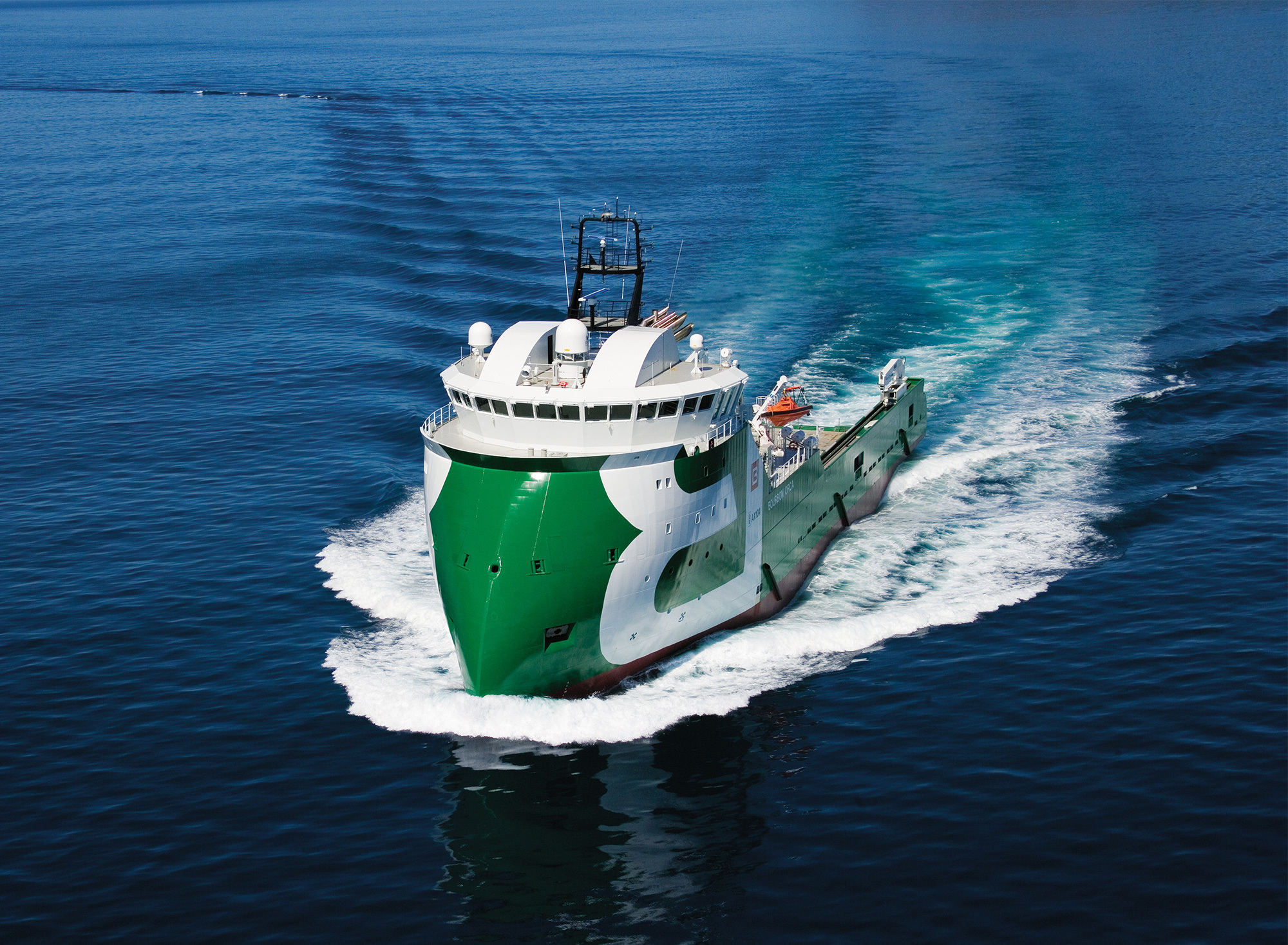
Up to 50% less fuel consumption compared to conventional vessels in anchor handling operations.

Captain, Bourbon Orca (current name: Kommandor Orca)

Proven across segments – and in real operations

Today, the X‑BOW® is used across:

  • Offshore Oil and Gas
  • Offshore Wind
  • Expedition cruise and yachts
  • Seismic and towing
  • Fisheries 

Across all segments, the feedback is remarkably consistent: better seakeeping, greater comfort, and improved operational reliability.

Explore X‑BOW® vessels in operation

See real-world references across offshore, cruise and expedition segments, with a live map: 

Ship references | Vessels built at Ulstein Verft and our… | Ulstein

Photo gallery

A selection of some of the sailing ULSTEIN X-BOW® vessels.

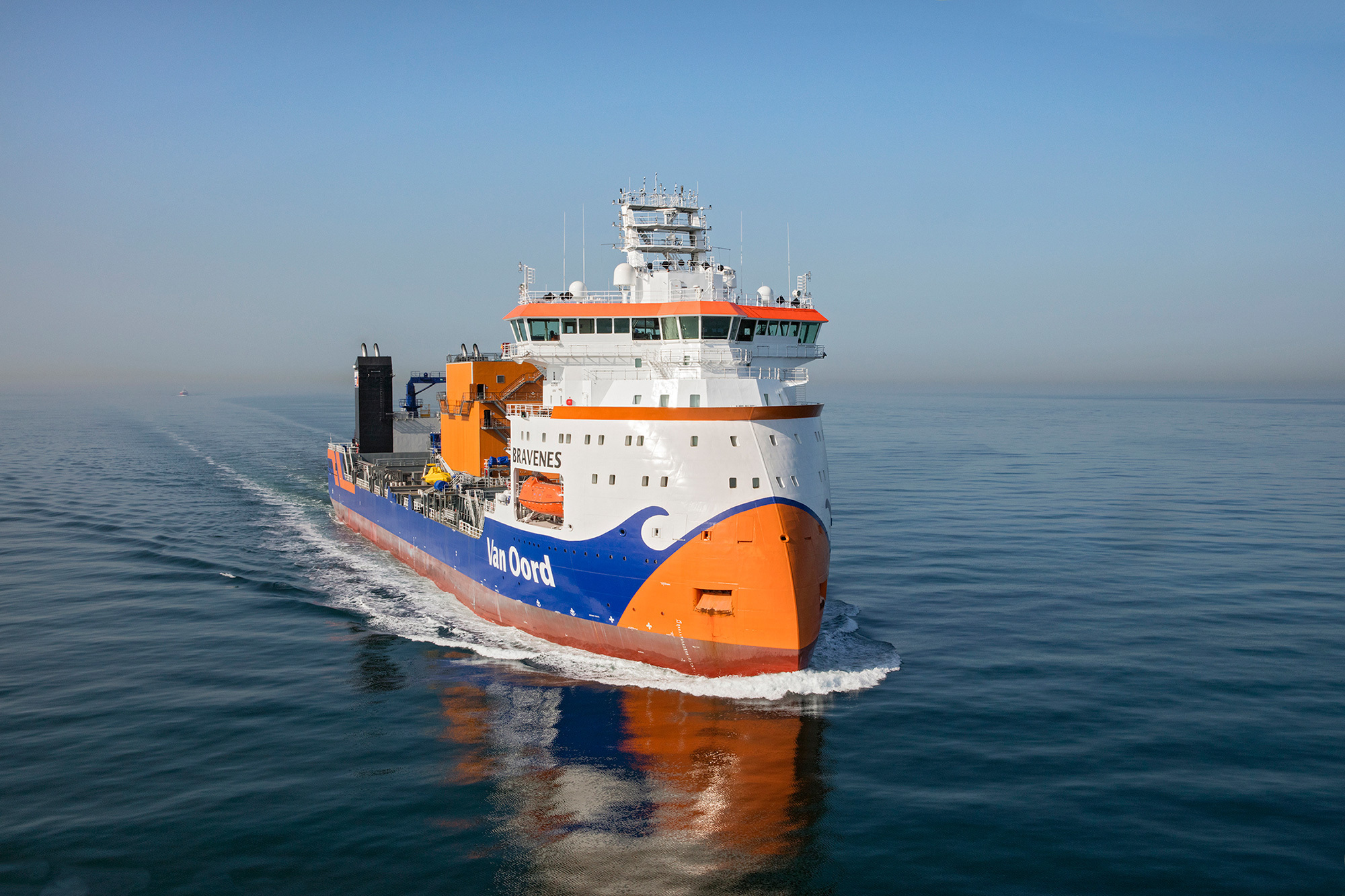
  • The subsea rock installation vessel 'Bravenes', designed by Ulstein for Van Oord.
    The subsea rock installation vessel 'Bravenes', designed by Ulstein for Van Oord.
  • Ecofive Foto Svein Egil Oekland Westcon 0075
    The first ULSTEIN X-BOW® trawler, Bluewild's ECOFIVE, the abbreviation stands for Ecofriendly Fishing Vessel, photo Svein Egil Økland/Westcon.
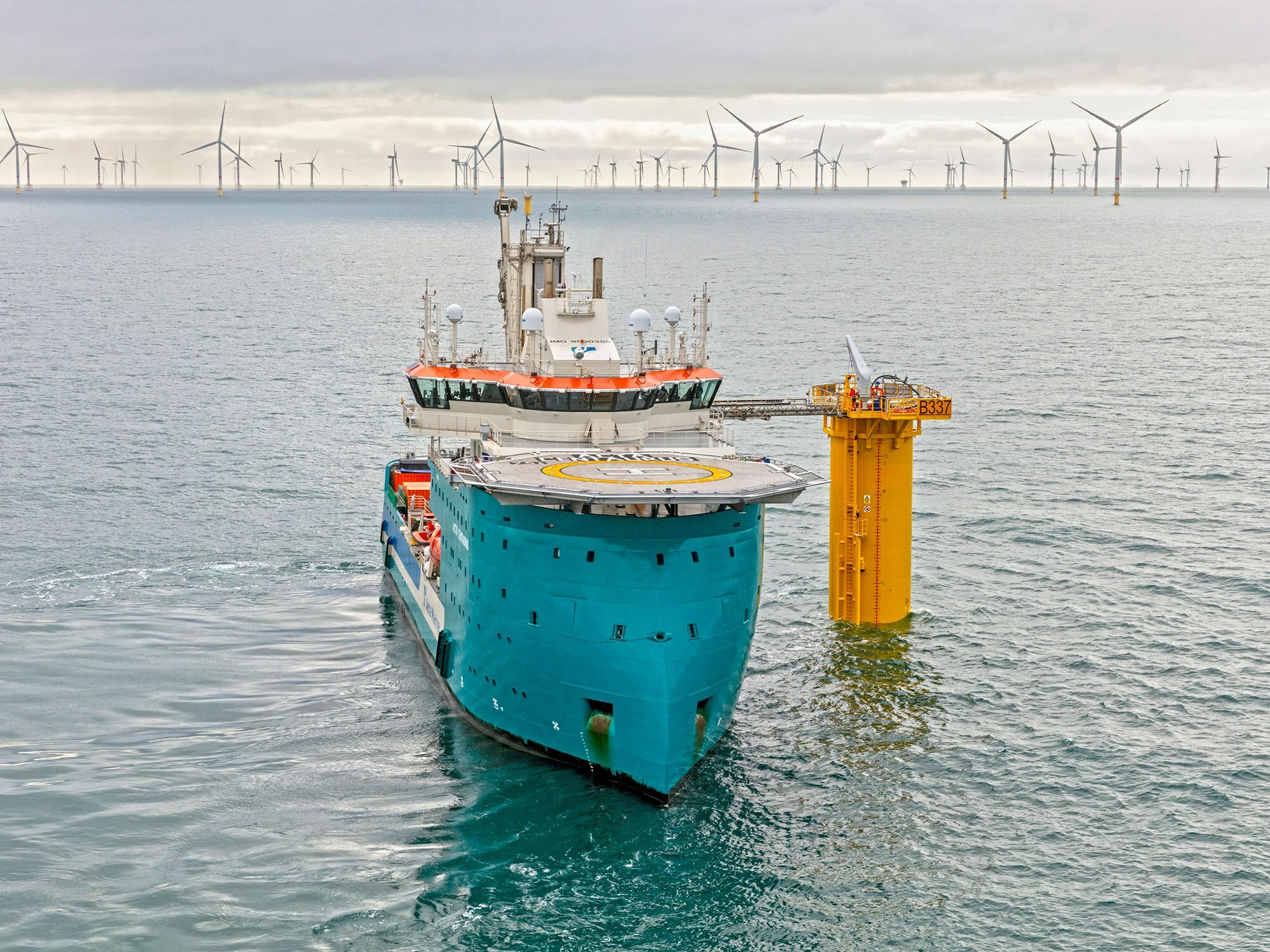
  • The offshore wind vessel Acta Centaurus at work in offshore wind park. Photo: Flying Focus.
    One of the Ulstein-designed CSOVs for Acta Marine, the Acta Centaurus, at work in an offshore wind park. Photo: Flying Focus.
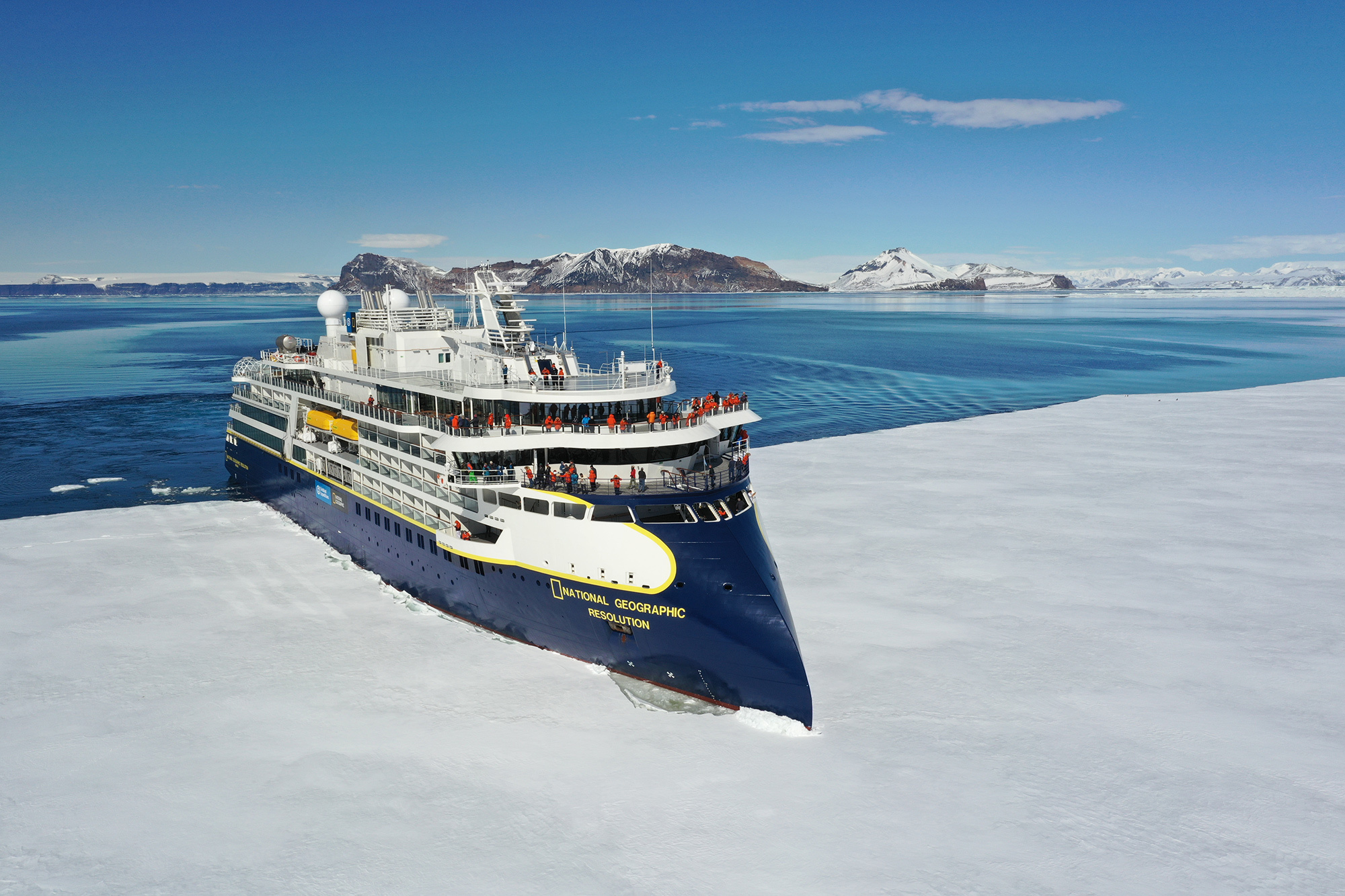
  • 'NatGeo Resolution' in Antarctica, photo: Lindblad Expeditions/Sarah Culler.
    The expedition cruise vessel 'National Geographic Resolution' in Antarctica, photo: Lindblad Expeditions/Sarah Culler.
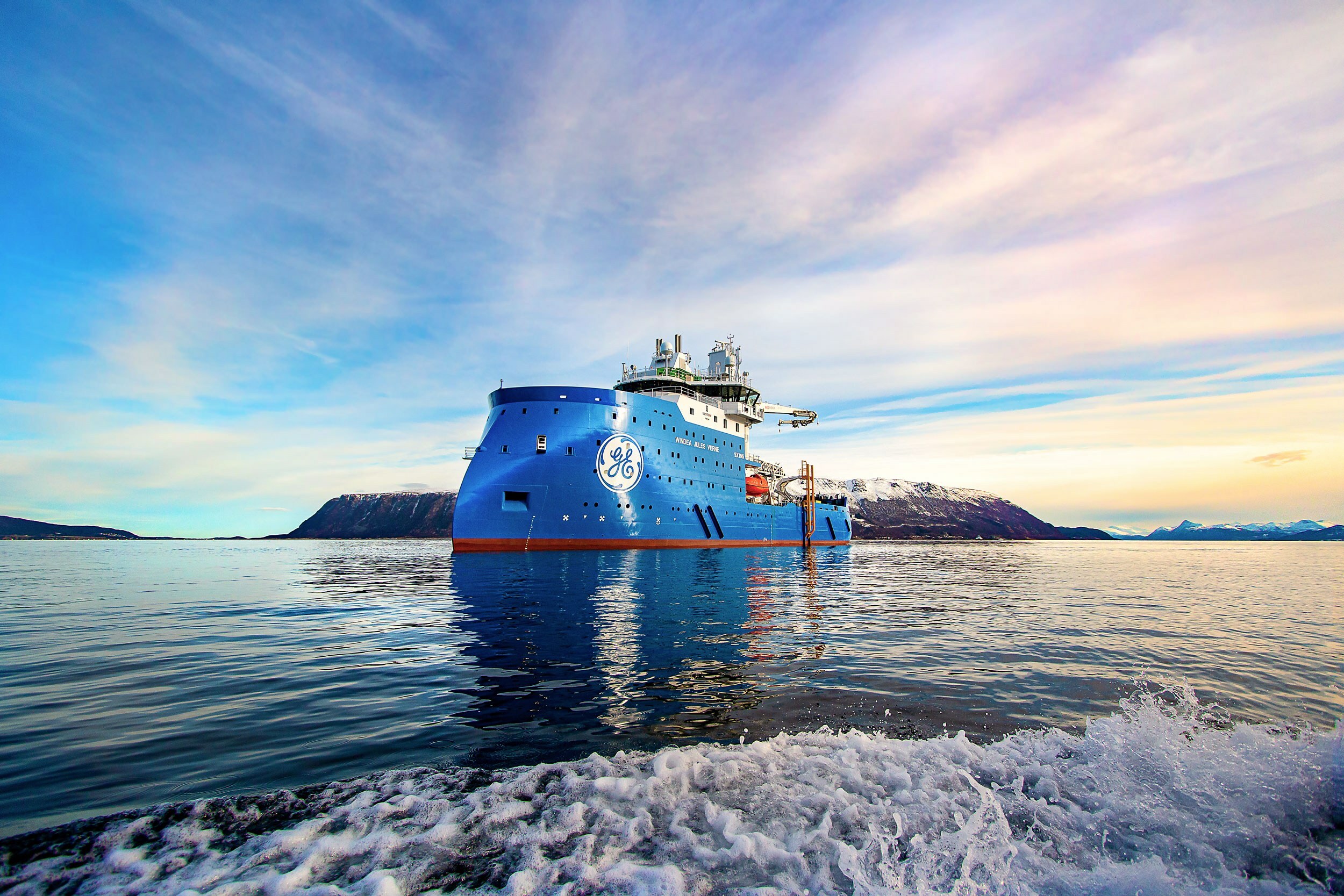
  • BS Offshore's Service Operation Vessel 'WINDEA JULES VERNE', designed and built by Ulstein.
    BS Offshore's Service Operation Vessel 'WINDEA JULES VERNE', designed and built by Ulstein.
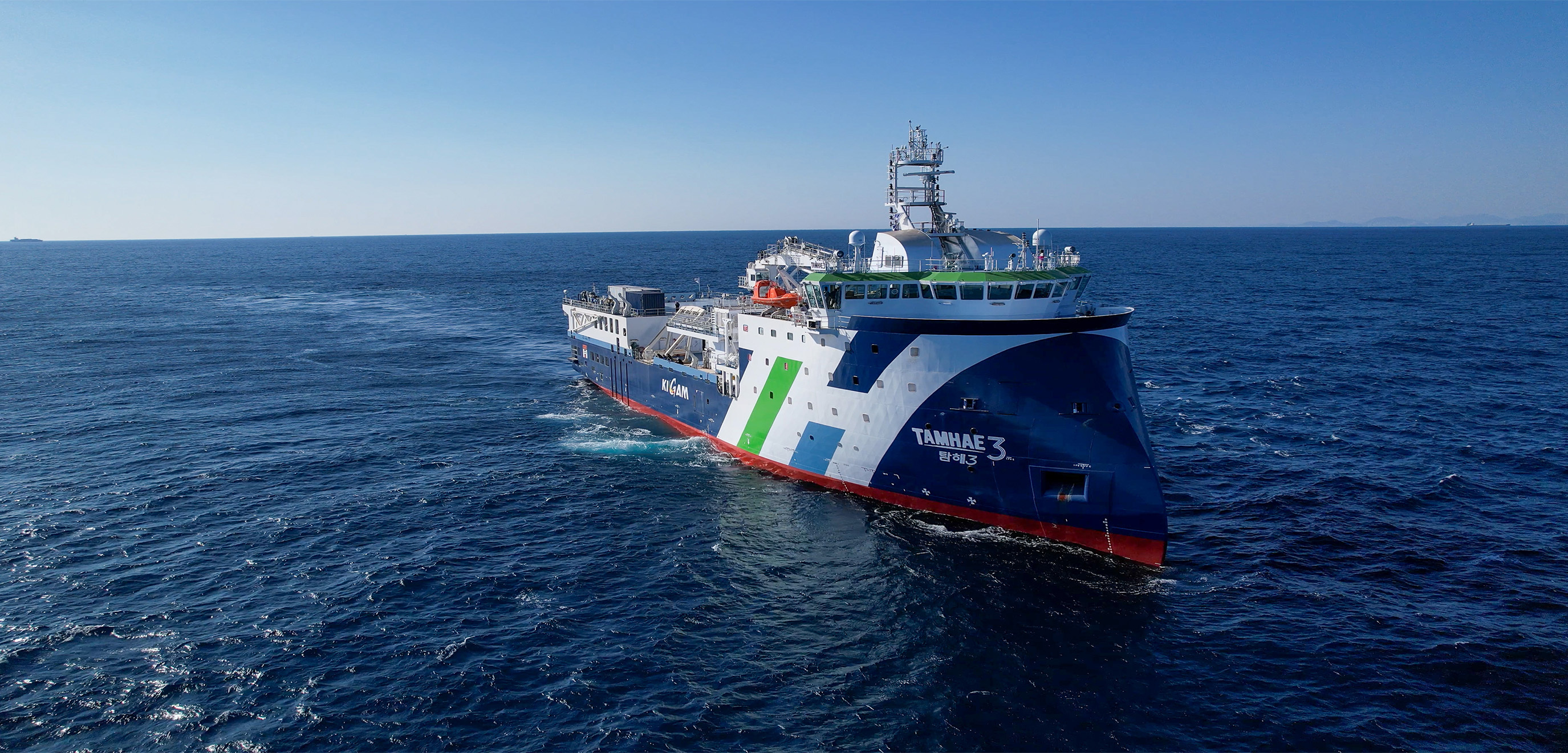
  • Tamhae 3 SX134
    Three of Ulstein's designs were awarded the 2024 Work Boat World Award, including the research vessel Tamhae 3. These awards celebrate the best vessels in their categories, judged on design, build quality, and functionality.
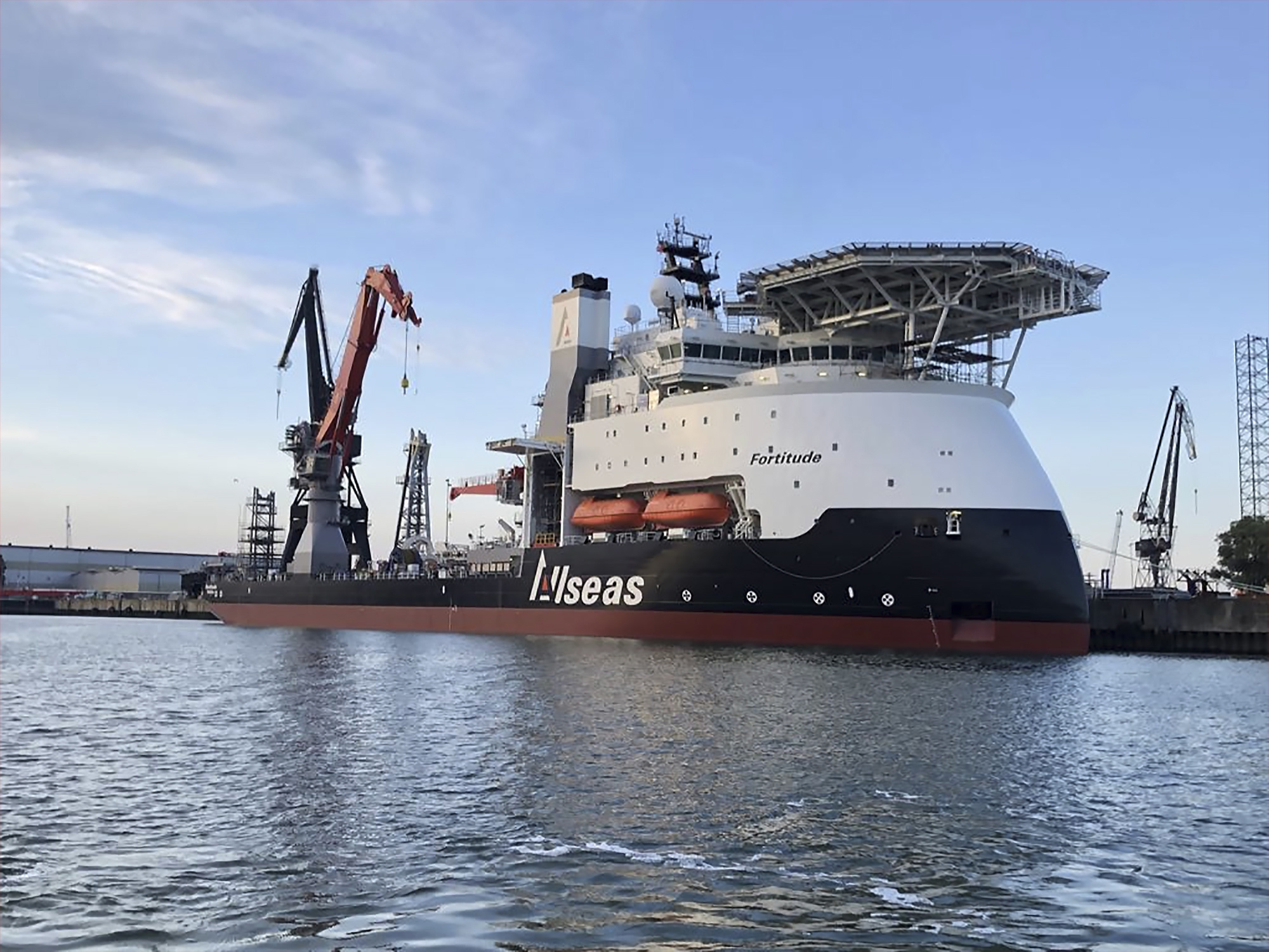
  • The multipurpose offshore construction vessel Fortitude.
    The multipurpose offshore construction vessel Fortitude of the ULSTEIN HX102 design has a main crane capacity of 900 tonnes.

Completed her mission in time

When leaving Esbjerg, DK, in January 2016, the platform supply vessel NAO Guardian was heading for a mission in the North Sea. Wind and waves were tough, up to 40 knots from the west-southwest, but due to the X-BOW® seakeeping characteristics, the vessel could keep up speed, completed its mission in time and returned to base. A conventional bow vessel which left Esbjerg at the same time needed to slow down missed the weather window and had to wait three days before the mission was completed. The crew on this vessel filmed the X-BOW® vessel on their way to the oil field.

E book

X-BOW® and X-STERN e-book

Learn more about the key benefits of the X-BOW and X-STERN hull lines. 

Registration is required to access the e-book.  

Redefining maritime efficiency

Experience transformative maritime efficiency with Ulstein's designs. We're setting new benchmarks in sustainable seafaring excellence by bridging fuel optimisation with heightened comfort and safety.

Polar Onyx dockhall Marius Beck Dahle

X-BOW®

The ULSTEIN X-BOW®, the inverted bow concept, redefined marine engineering. The bow concept was launched in 2005, together with the first shipbuilding contract, and gained immediate interest from shipowners. The X-BOW hull line design has been tried in most weather conditions.

Acta Auriga leaving the construction yard, Ulstein Verft, for her new work base at Eemshaven.

X-STERN®

The X-STERN introduces the documented X-BOW® effect to the aft ship, harnessing the benefits of improved safety for crew and equipment, increased flexibility in operations and reduced fuel consumption.

TWIN X-STERN, an ULSTEIN SX222 below view

TWIN X-STERN®

Imagine a vessel with the agility of a 4-wheel-drive but on the open seas. That’s the ULSTEIN TWIN X-STERN®, renowned for its unparalleled manoeuvrability. Its unique features distinguish it from others, and its exceptional quality lies beneath the waterline.

An ULSTEIN U STERN foundation installation vessel media web

U-STERN®

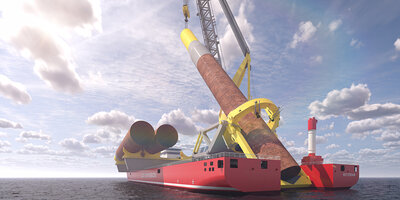
Larger monopiles demand new installation methods. The ULSTEIN U-STERN® has been designed to meet these challenges, enabling safer, more efficient and cost‑competitive transport, upending and installation of large monopile foundations on DP vessels.