From offshore oil and gas to offshore renewables
The offshore renewables sector has evolved rapidly over the past decade. Turbines have grown larger, wind farms have moved farther offshore, and vessel requirements have become increasingly demanding.
Ulstein entered the offshore wind market by leveraging decades of experience from the offshore oil and gas industry. Many of the operational challenges are similar: harsh environments, demanding logistics, strict safety requirements, and the need for high operational uptime.
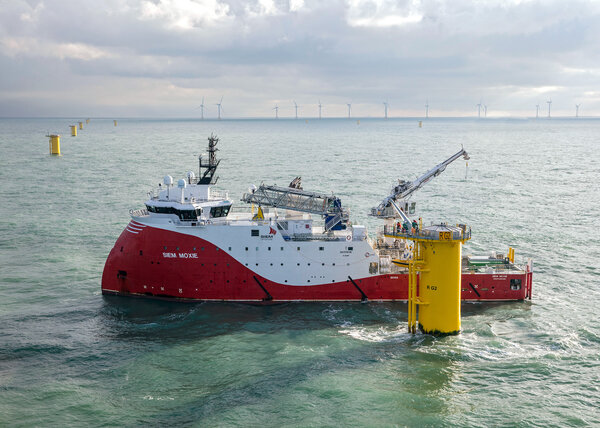
The delivery of Siem Moxie demonstrated how proven offshore experience could be applied to a new industry. Since then, Ulstein has continued to innovate, introducing the X-STERN® and TWIN X-STERN® concepts and developing a growing portfolio of SOVs, CSOVs and other offshore vessel designs.
Today, walk-to-work vessels have become key assets in offshore energy operations. Their flexibility enables shipowners to support multiple markets, including offshore wind, oil and gas, cable laying and subsea operations, helping to secure utilisation throughout the vessel's lifetime.
 Windea La Cour: First X-STERN W2W vessel
 CSOV Windea Leibniz: X-BOW vessel number 100
 Olympic Boreas: First TWIN X-STERN vessel delivery.


Reducing risk in vessel investments
The most successful projects start long before a vessel contract is signed.
Whether developing a new offshore wind support vessel, evaluating fleet renewal options or exploring opportunities in new markets, early-stage decisions have a significant impact on future profitability.
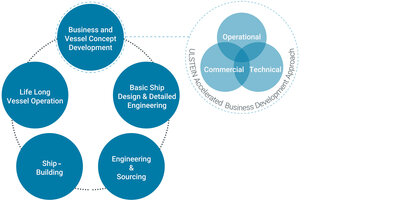
Ulstein supports customers from the earliest project phases by combining market insight, operational analysis and vessel design expertise. Through feasibility studies, concept development and business case evaluations, we help identify solutions that align vessel capabilities with real operational needs.
Sometimes the most valuable insight is not how to maximise performance, but how to optimise it. Designing for the right speed, capacity and operational profile can reduce both investment costs and lifetime emissions while maintaining mission performance.
Designing vessels for operational excellence
Once the project direction has been established, the focus shifts towards developing an optimised vessel design.
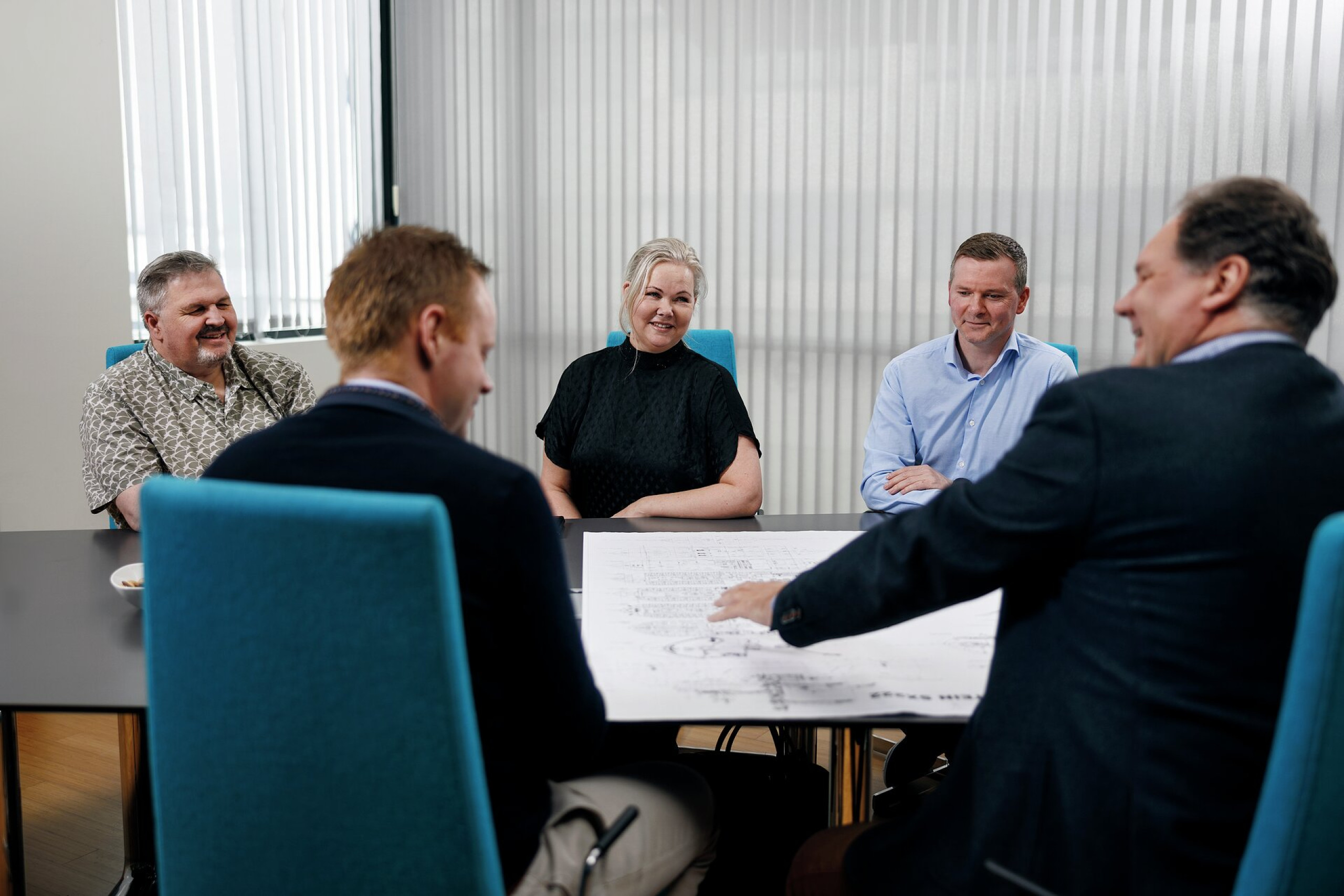
Close collaboration between shipowners, operators and designers ensures that every aspect of the vessel supports its intended operations.
Hydrodynamics, motion characteristics, stability, onboard logistics, accommodation standards, energy systems and equipment integration all contribute to overall performance.
By considering these factors early, vessel designs can achieve higher operability, increased efficiency and improved lifecycle value.
From concept to reality
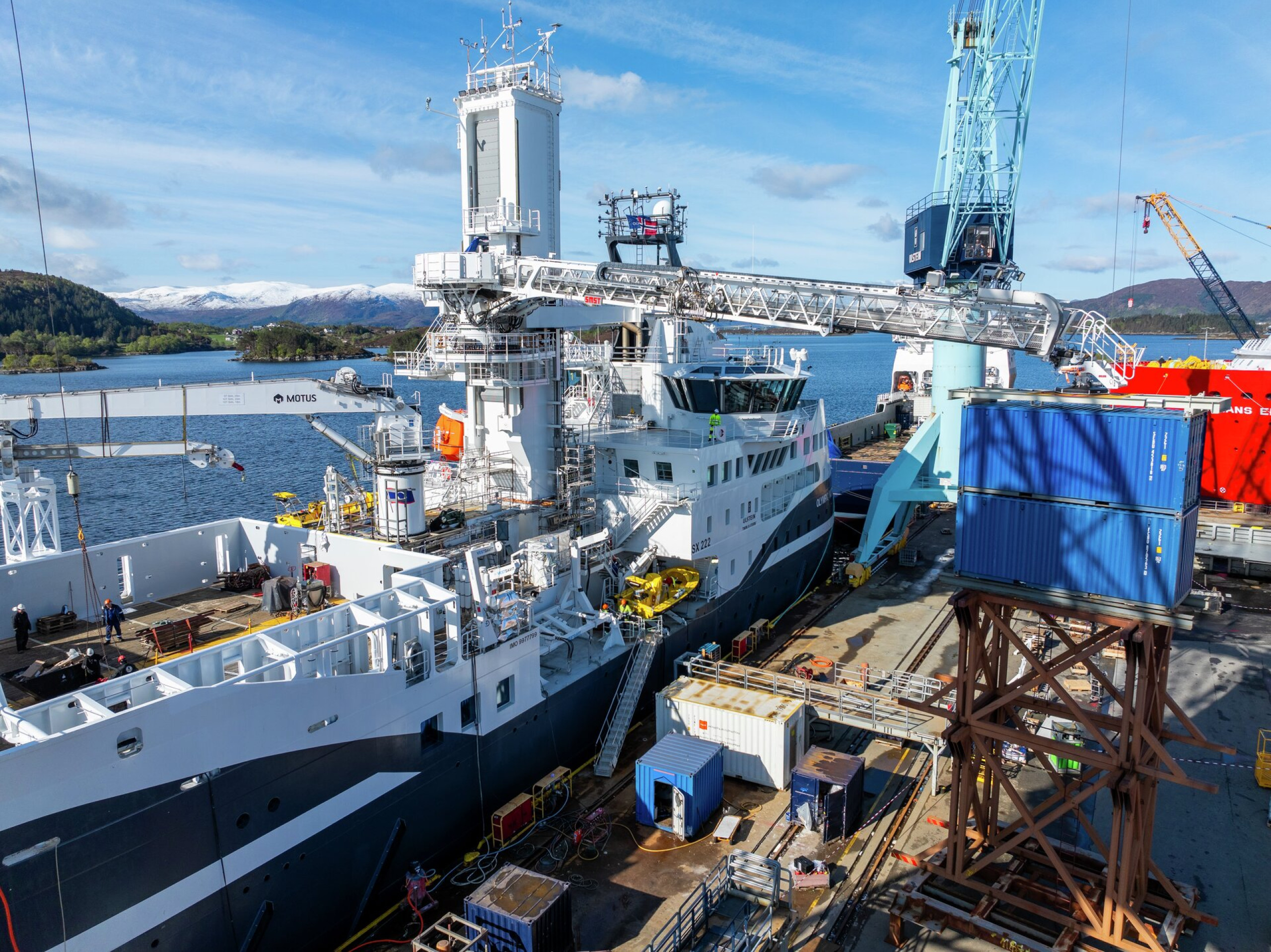
Ulstein supports projects throughout the vessel lifecycle, from concept development and basic design to detailed engineering, construction support and delivery.
Our multidisciplinary teams work across naval architecture, structural engineering, electrical systems, outfitting and accommodation design to ensure that every element contributes to a coherent and efficient vessel.
The result is not simply a compliant vessel, but one designed to perform effectively throughout its operational life.
Supporting vessels throughout their lifecycle
A vessel's delivery marks the beginning rather than the end of its development journey.
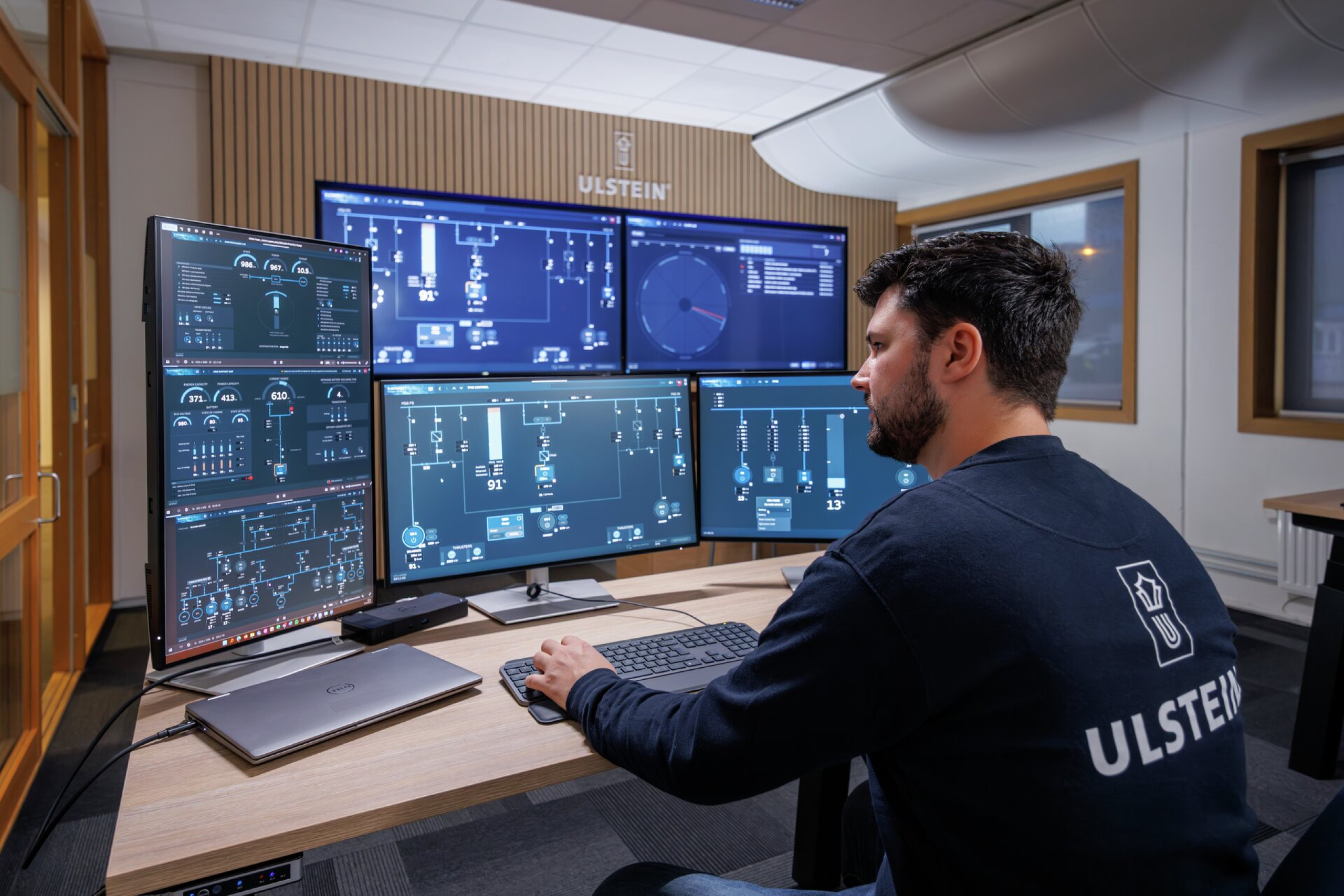
As operational requirements evolve, vessels may require upgrades, conversions, hybridisation, new mission equipment or digital enhancements. Ulstein continues to support vessel owners through modification projects, operational analysis and technology upgrades.
Insights gathered from operational vessels are continuously fed back into new designs. Regular vessel visits and close collaboration with crews provide valuable operational experience that helps improve future solutions.
Building on experience
The offshore renewables industry continues to evolve, bringing new opportunities and new challenges.
For shipowners entering the sector or expanding their presence, success depends on combining innovation with practical offshore experience.
At Ulstein, we believe the best vessel solutions are created by understanding not only the technology, but also the operations, the business case and the people who rely on the vessel every day.
From first concepts to vessels at work, our ambition remains the same: to help customers create safer, smarter and more efficient offshore operations.