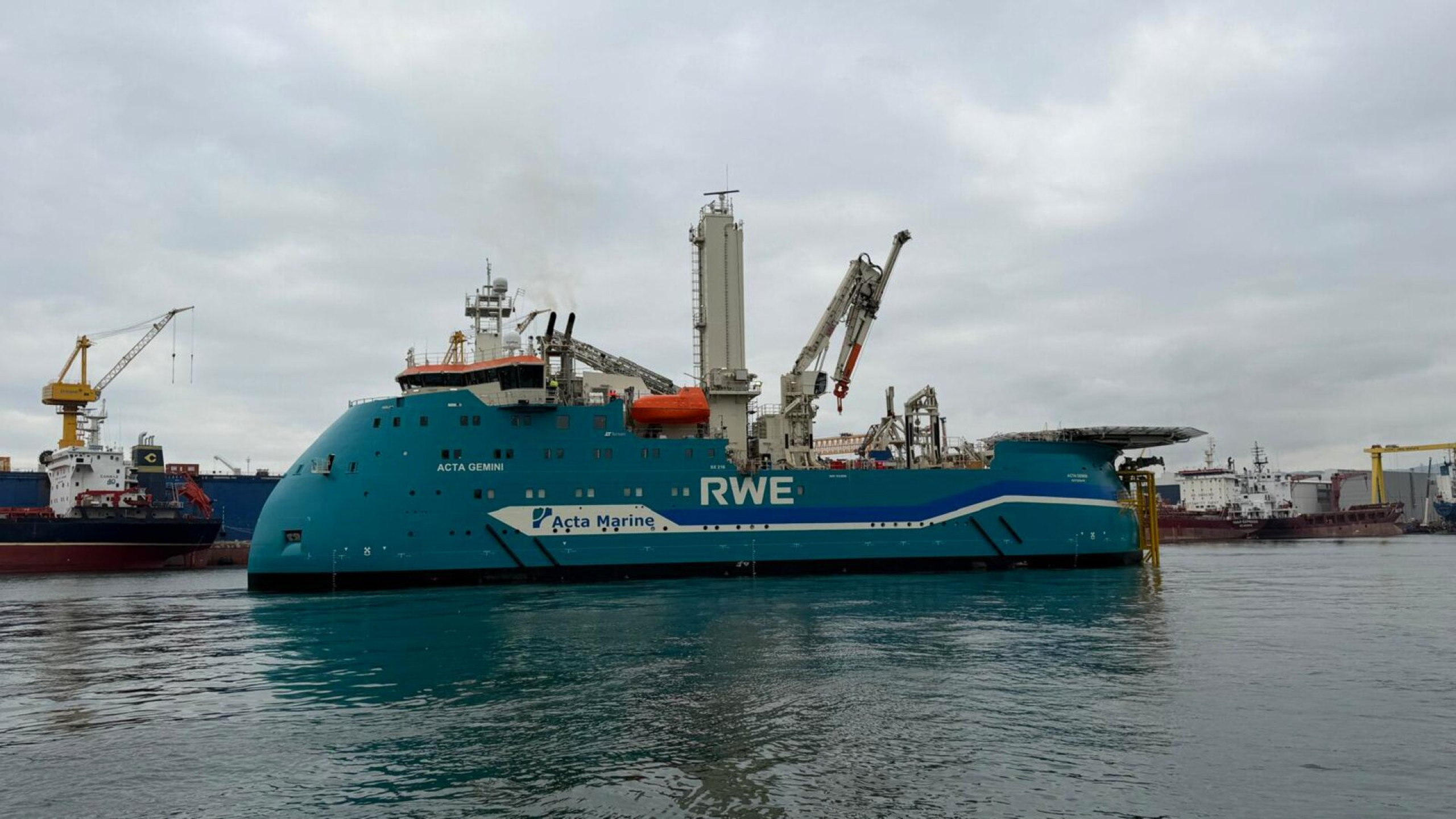
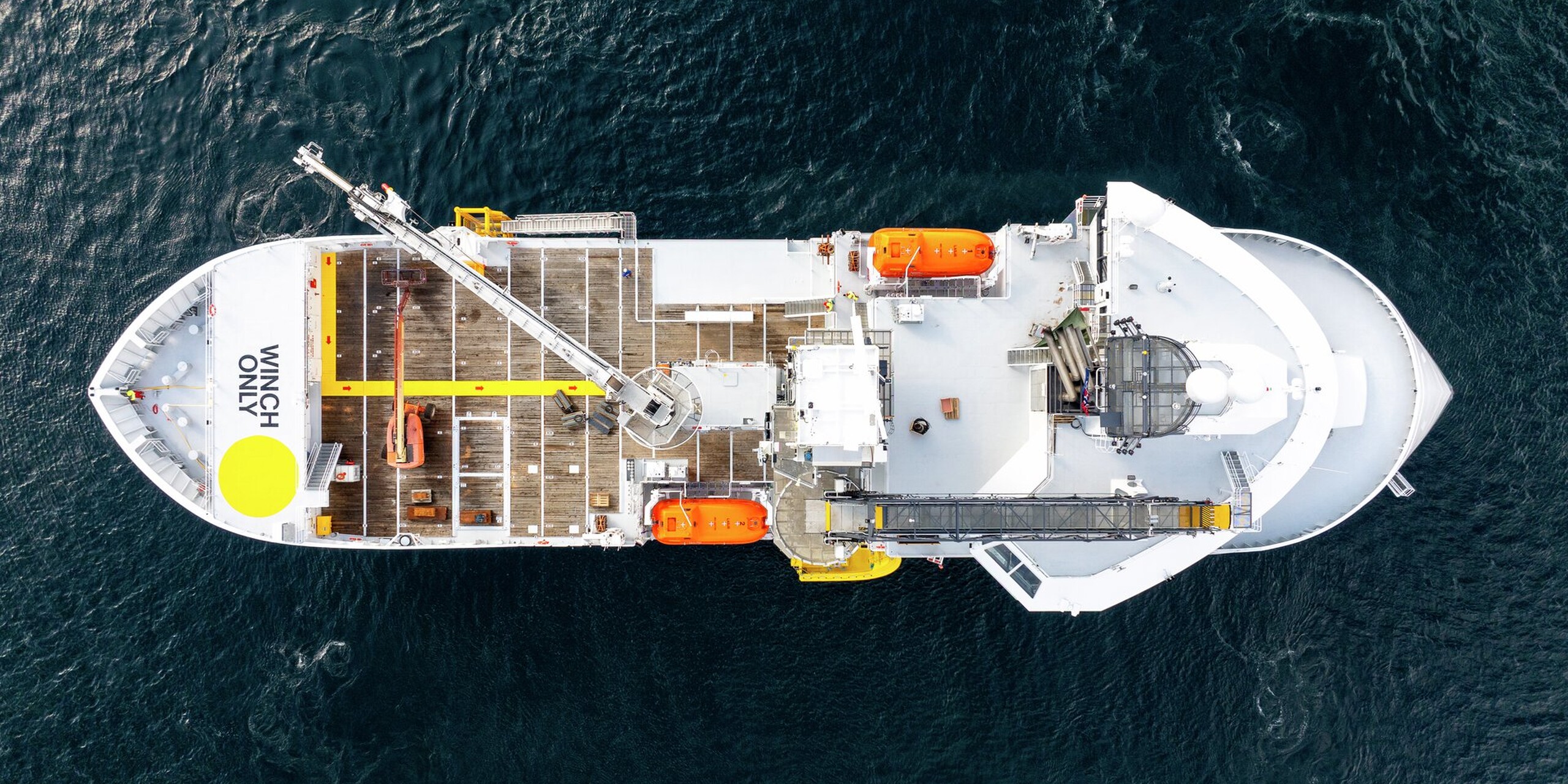
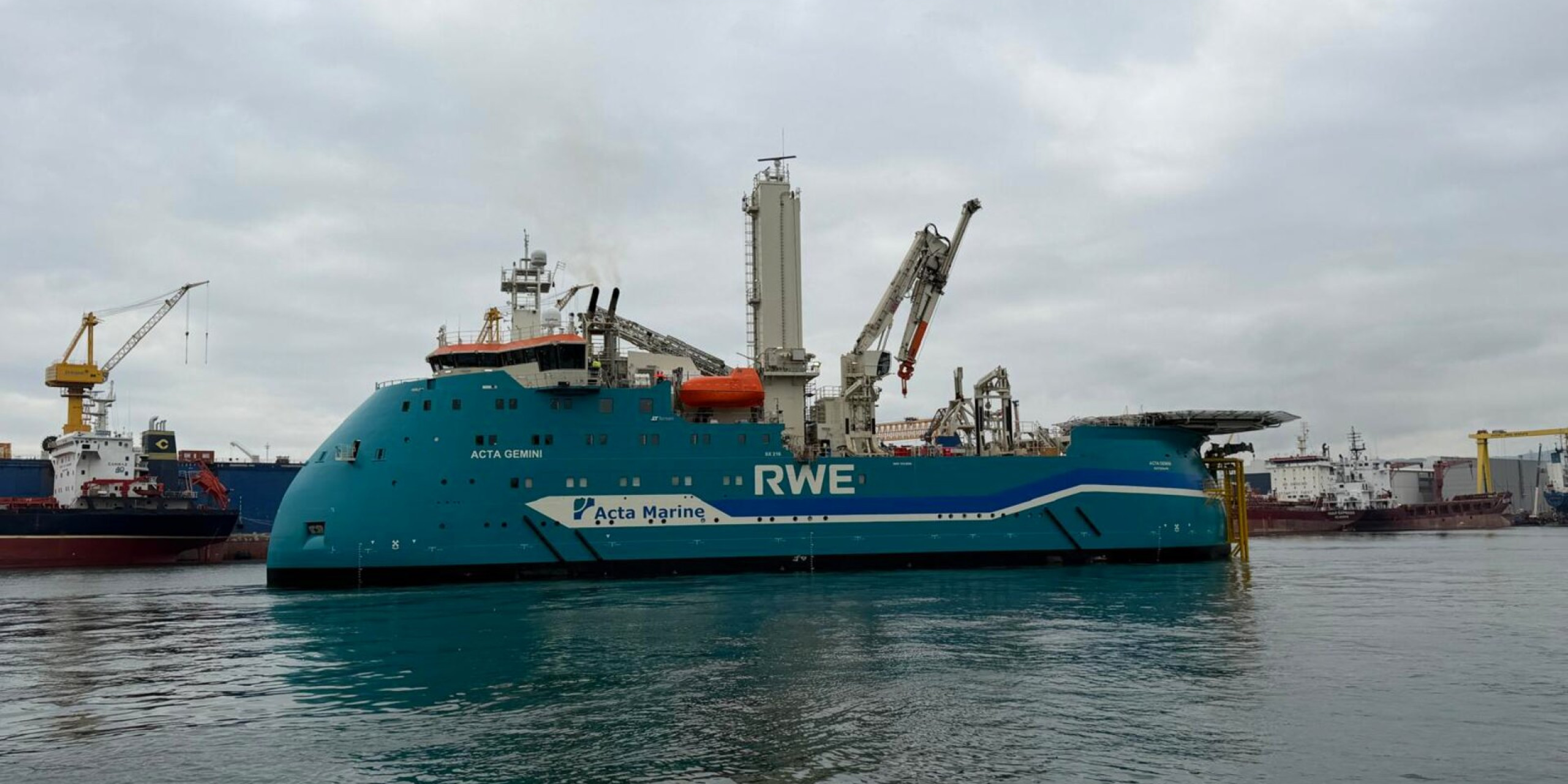
Built by Tersan Shipyard in Türkiye, the DP2 walk-to-work vessel is purpose-designed for offshore wind construction and maintenance. The TWIN X-STERN solution, with main propulsion units at both ends, offers high operability, reduced motion, and efficient station-keeping in demanding conditions.
Following mobilisation, Acta Gemini will commence a long-term charter at the Sofia offshore wind farm on Dogger Bank in the UK. Operating from Grimsby, the vessel will deliver offshore accommodation and walk-to-work services in support of operations and maintenance on behalf of RWE, according to Acta Marine.
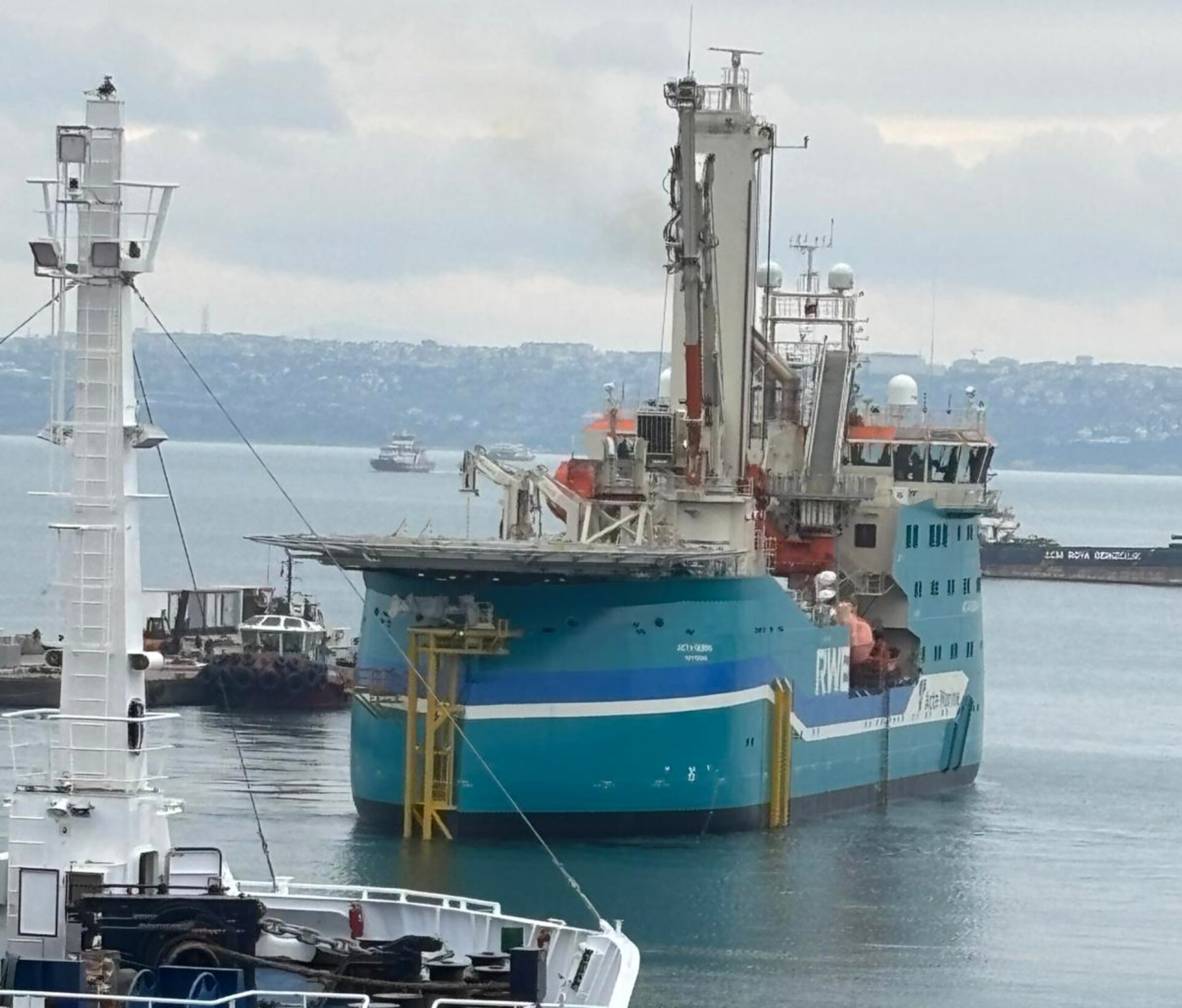
With sister vessels Acta Pegasus and Acta Hercules already delivered, the newbuild series strengthens Acta Marine’s modern, future-ready fleet supporting Europe’s energy transition.
Acta Gemini continues the collaboration between Acta Marine, Tersan Shipyard and Ulstein, combining advanced vessel design with a strong focus on safety, efficiency and crew and client comfort for offshore wind operations.

CSOV & SOV
Delays, unsafe transfers and poor vessel access cost offshore wind and oil and gas operators time, money and uptime.
SOVs and CSOVs solve this. Both are purpose-built ships that house technicians offshore and transfer them safely to turbines and installations using a motion-compensated gangway.
Ulstein designs both vessel types for offshore wind and oil and gas, built for walk-to-work operations that keep your people safe and your schedule on track.
Acta Gemini
Acta Gemini is the third vessel in its series of four, newbuilt, next-generation Construction Service Operation Vessels (CSOV) for the Offshore Wind Industry. The vessel was delivered by Tersan Shipyard in June 2026. The ULSTEIN TWIN X-STERN® has several characteristics, as a ship with two sterns and four main propeller units: two at each end.

Acta Pegasus delivered to Acta Marine: Ulstein design supports sustainable offshore wind operations
Acta Pegasus was delivered to Acta Marine in December 2025 by Tersan Shipyard. This vessel is the first of four newbuild Walk-to-Work (W2W) Construction Service Operation Vessels (CSOVs) designed by Ulstein Design & Solutions AS for Acta Marine.
Frequently Asked Questions (FAQs)
A CSOV, or commissioning service operation vessel, is a purpose-built ship that supports the construction, commissioning and maintenance of offshore wind farms. It works as a floating base where technicians live and work through offshore campaigns lasting several weeks. Motion-compensated walk-to-work gangways, cranes and dynamic positioning let technicians transfer to turbines and keep working in higher sea states than smaller craft allow.
An SOV, or service operation vessel, is a purpose-built ship that supports the operation and maintenance of offshore wind farms once they are in production. It stays on field for long periods, housing technicians who transfer daily to turbines using a motion-compensated walk-to-work gangway. Dynamic positioning, onboard workshops and spare part storage keep maintenance work running through the seasons with less reliance on shore.
Both vessels house technicians offshore and use motion-compensated walk-to-work gangways, but they serve different phases. A CSOV supports construction and commissioning, working in campaigns that move with the project and often carrying heavier lifting capacity for component work. An SOV serves wind farms already in production, staying on field under long-term contracts to handle routine maintenance and repairs. In practice the designs overlap, and many owners specify vessels that can do both.
Walk-to-Work means personnel can walk directly from the vessel to an offshore structure, such as a wind turbine, using a motion-compensated gangway. Before this technology, technicians relied on small craft and had to climb ladders, which was limited by wave height. Walk-to-work gangways allow transfers in rougher seas, adding weeks or even months of operational time each year. It is safer, faster and more efficient.
A motion-compensated gangway is a stabilised bridge mounted on a vessel that connects to an offshore structure such as a wind turbine. Sensors continuously measure the vessel's movement in all directions. Hydraulic or electric actuators then adjust the gangway in real time to cancel out that movement, keeping the gangway tip steady against the fixed structure. This allows personnel to walk safely between the vessel and the turbine.
Dynamic positioning (DP) is a computer-controlled system that automatically keeps a vessel in position using its own thrusters. Sensors such as GPS, gyrocompasses and wind sensors continuously monitor the vessel's location and movement. A control computer calculates how much thrust is needed to counteract wind, waves and current, allowing the vessel to maintain its position without anchoring.
Offshore wind operations often require vessels to work close to turbines while personnel, equipment and spare parts are transferred. Dynamic positioning allows the vessel to maintain a precise and stable position despite changing weather and sea conditions. This is essential for safe Walk-to-Work operations, as even small movements can affect the gangway connection. Reliable DP improves safety, increases operational uptime and helps maintenance work continue in a wider range of conditions.
The TWIN X-STERN is Ulstein's patented hull design. Its symmetric hull shape behaves more efficiently in harsh weather conditions. Four azimuth thrusters, two at each end, increase the manouverability. The azimuths have higher efficiency by being capable of turning the thrust directly in the direction of the waves and current. The combination of thrusters and hull design result in lower energy consumption and reduced motions, and therefore higher operability and comfort.
Ulstein has designed or redesigned 23 walk-to-work vessels to date, of which 21 are currently in operation. These vessels collectively service more than 5,000 turbines every year, with over 95,000 gangway connections annually. Ulstein was one of the first movers in this segment, starting with the Seaway Moxie, delivered in 2014.

TWIN X-STERN E-book
In the e-book you can dive into topics such as:
- What is the ULSTEIN TWIN X-STERN?
- How does it work?
- What are the application areas?
And much more.