At Ulstein, we are delighted to hear from cruise expedition travellers who have experienced the innovative X-BOW design. Their stories highlight the remarkable stability and comfort of our design for expedition cruising. Join us in celebrating these unforgettable journeys and the pioneering spirit of our X-BOW vessels.
Alex Loizou/Mundy Adventure feedback
The quote in the introduction comes from Alex Loizou at Mundy Adventure. With his permission, the rest of the story continues below.
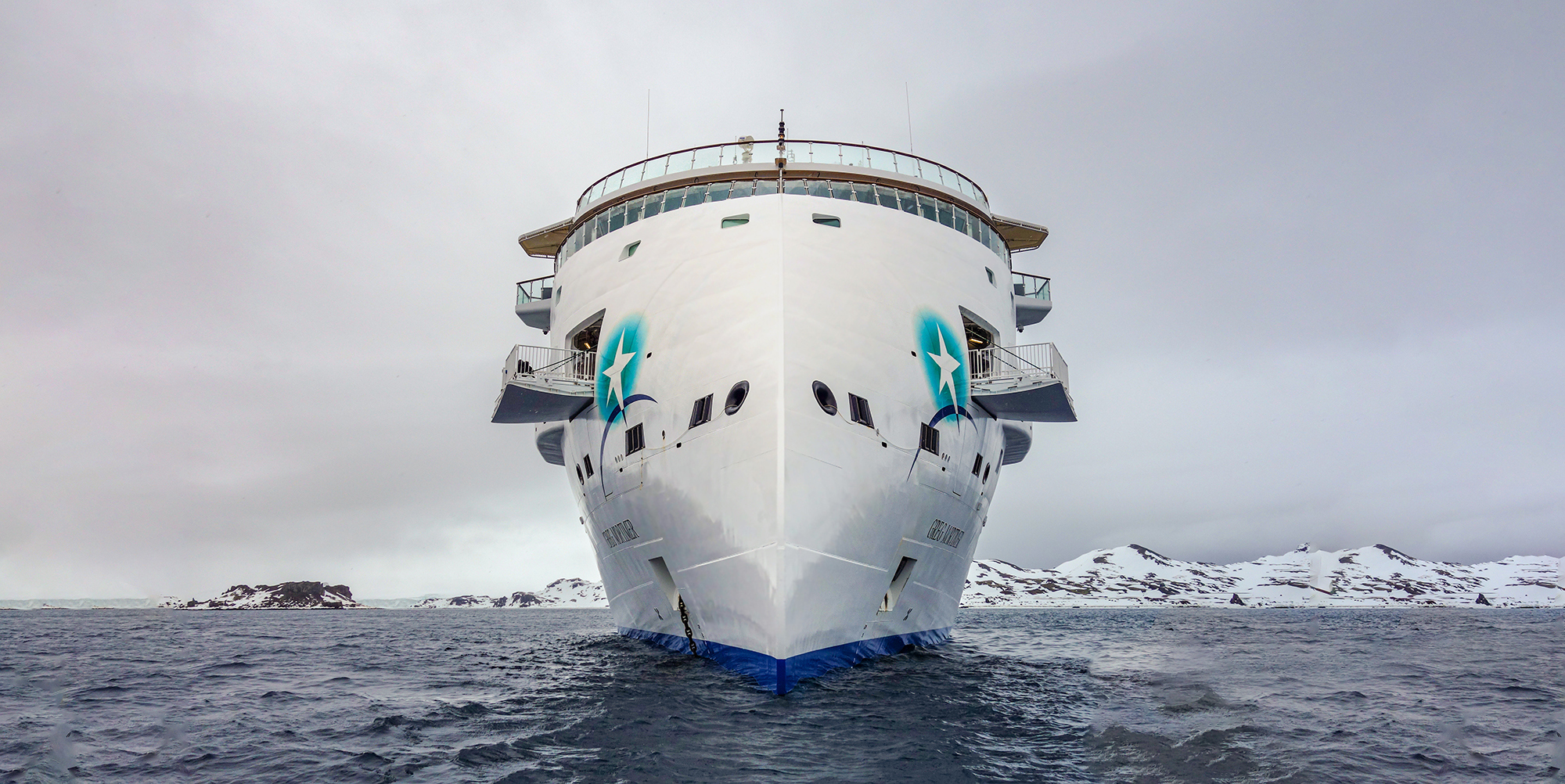
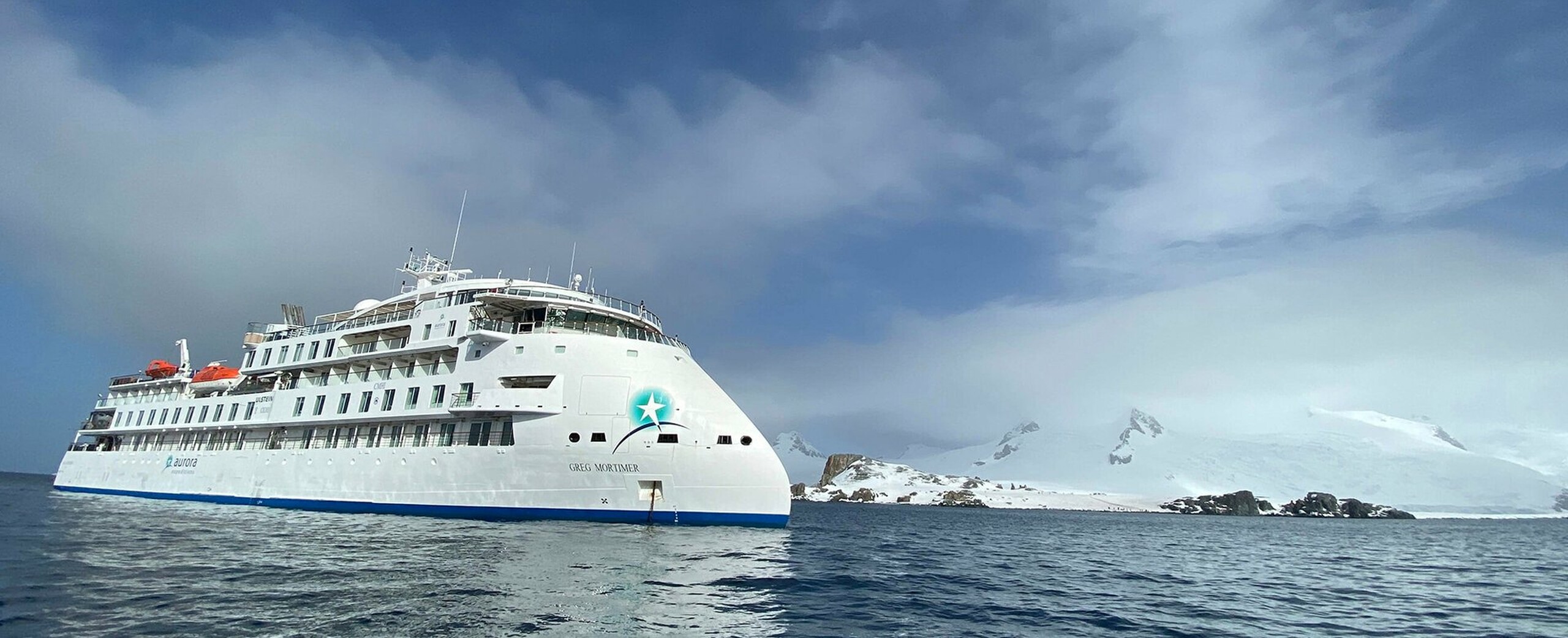
"A handful of commercial and military vessels aside, it wasn't until 2019 that passengers could experience this innovative inverted bow when AE Expeditions (part of Aurora Expeditions) launched the Greg Mortimer. It was the first passenger ship to feature the ULSTEIN X-BOW - a sleek, wave-piercing shape that reduces drag and minimises the wave 'thumping' associated with conventional bows in rough seas.
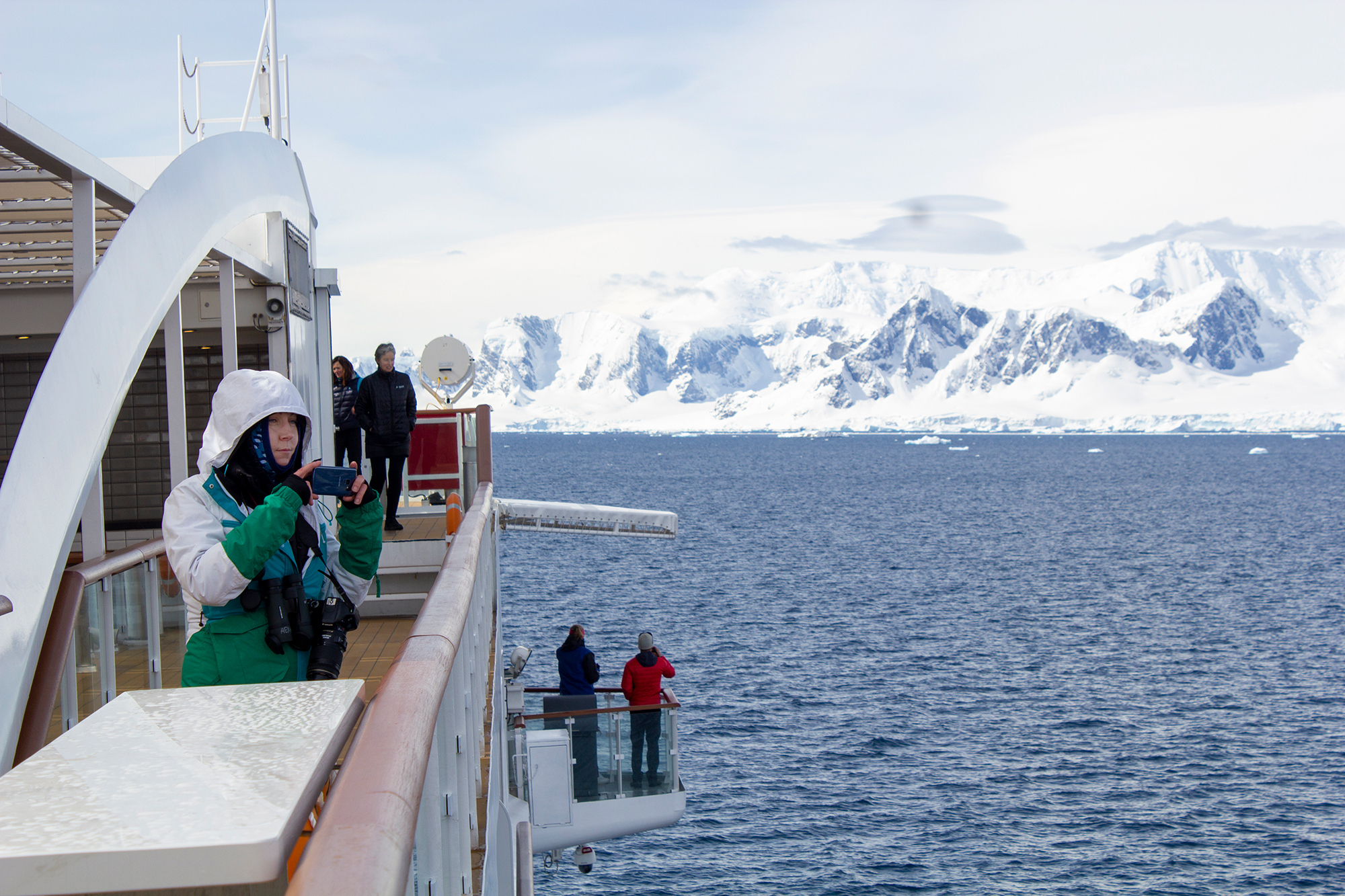
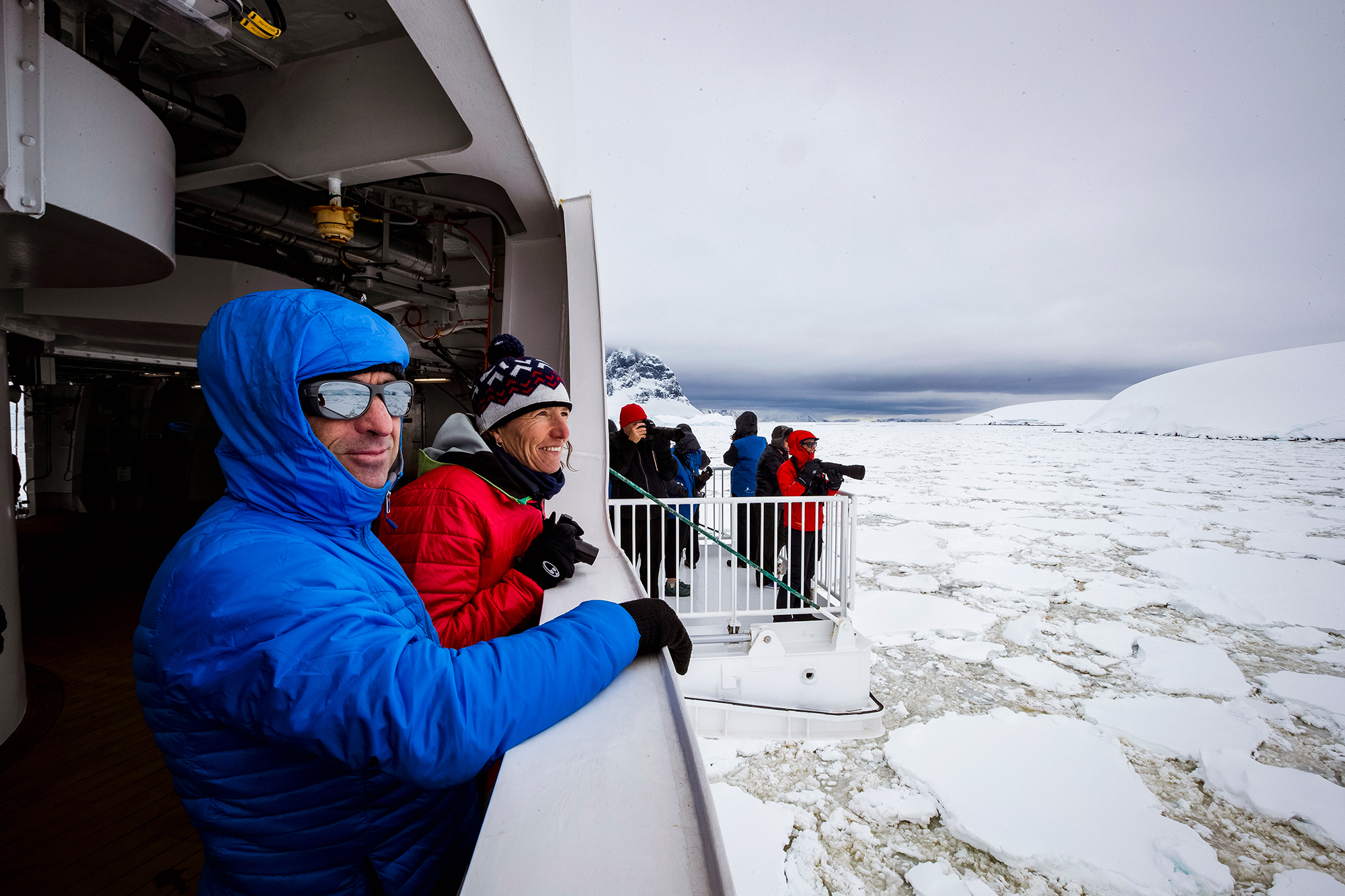
 "On the Greg Mortimer, we tried out one of the hydraulic viewing platforms that extend and gave us a unique perspective of the ship."
The result?
"Smoother sailing, improved fuel efficiency, and a ride that aims to be as calm as possible, even when Mother Nature can be anything but.
"Having sailed aboard the Greg Mortimer ourselves, we can confirm the effect is more than marketing spin. Navigating Arctic waters, the ship felt remarkably stable. Engine vibration was minimal, and despite the unconventional profile, the bow's shape is barely noticeable on board as the elevated observation deck on this ship sits above the sloping nose.
Forward-facing double-high glass atrium
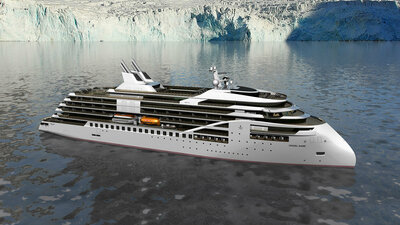
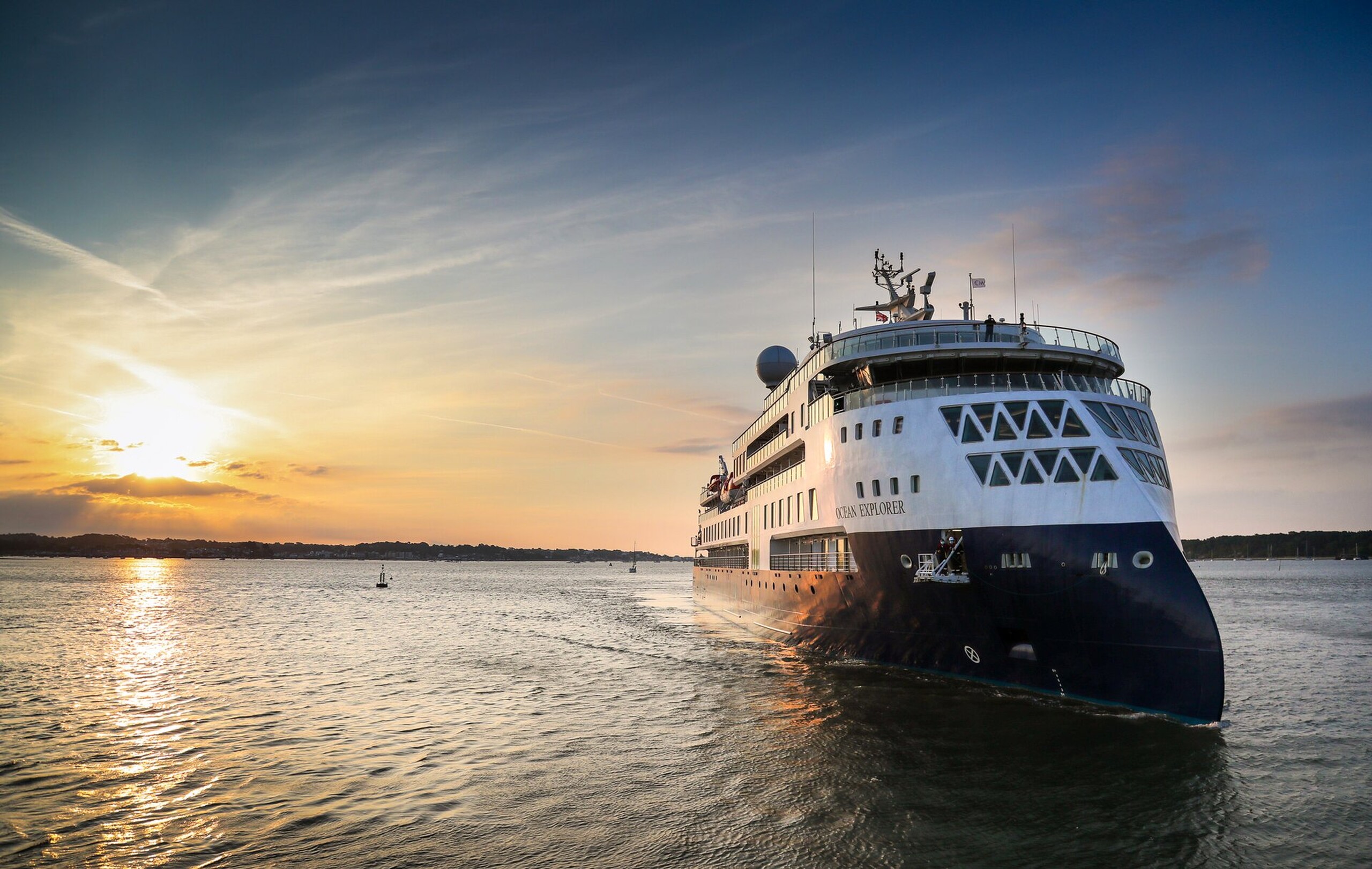
"Later X-BOW vessels, such as AE Expeditions' Sylvia Earle and Douglas Mawson, and Quark Expeditions' Ocean Explorer, use the bow shape to dramatic effect by incorporating a soaring, forward-facing double-high glass atrium. It's a breathtaking design feature that offers unfiltered views of crashing waves - and in the case of that now-famous expedition cruise video, views that quite literally took social media by storm.

Operators across the industry have embraced the X-BOW revolution
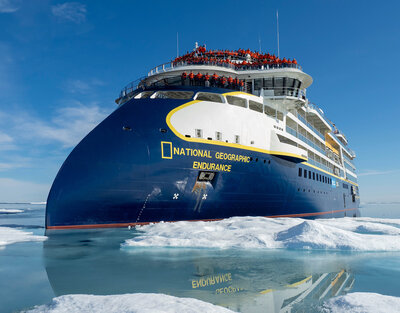
"These include National Geographic-Lindblad Expeditions when they expanded their fleet with the launch of the National Geographic Endurance in 2020, followed by National Geographic Resolution in 2021.
"These ships, and all X-BOW vessels, benefit from the bow being in view, rather than tucked below the protruding upper decks, so guests can see the ship edging through ice floes or cutting through the water.
"On board National Geographic Endurance and Resolution, there are even small extended viewing areas at the side of the vessel to give even better views."
Of course, expedition doesn't mean compromise
"These state-of-the-art ships come loaded with all the comforts of modern cruising. Expansive decks for wildlife watching, al fresco dining against epic backdrops, and even glass-domed igloos for an unforgettable night under the polar sky. Swift embarkation and disembarkation are made via side Zodiac doors and rear activity platforms, meaning you can speedily zip off ashore with less waiting around. If landings in Antarctica or the Arctic don't burn enough energy, many ships offer gyms, saunas, and even yoga studios.
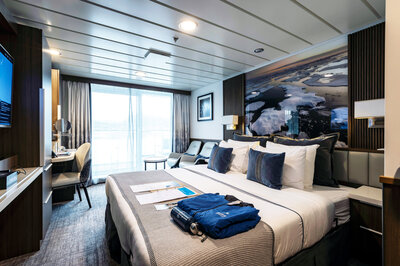
"Guests can expect comfortable accommodation ranging from porthole cabins to balcony suites, and we're especially partial to the underfloor heating in the Greg Mortimer's bathrooms - a delight after a chilly morning hike ashore. Dining is equally well thought out. Relaxed lounge bars and main restaurants with open-seating à la carte menus foster a sociable, story-sharing atmosphere after a day of high adventure.
"Whether it's Ocean Explorer's dramatic crossing of the Drake Passage that's gone viral, or the quiet glide of the Sylvia Earle through a frozen sound, the X-BOW design is a symbol of expedition cruising's bold spirit that has always been key. However, while the engineering might be high-tech, the real magic lies in the fantastic expedition teams of all of our partners who transform each voyage into an unforgettable exploration."
---
You can read Alex's story at Mundy Adventures here.
2026 update: National Geographic–Lindblad Expeditions will charter the expedition ship Greg Mortimer for its Alaska programme from 2027, under a three‑year charter agreement.