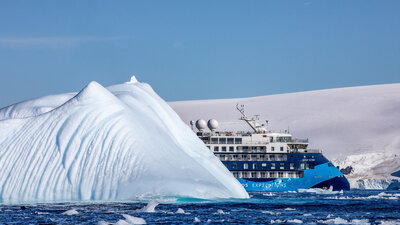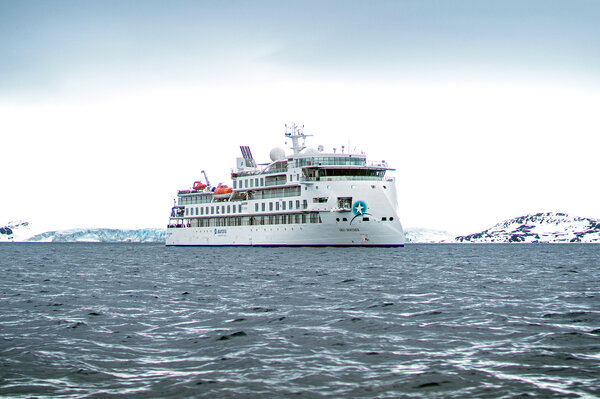
The vessel has been a true globetrotter from birth, having been developed on four continents: the ship owner SunStone Ships is based in the U.S., the travel operator Aurora Expeditions is Australian, the ship designer Ulstein is Norwegian, and the shipyard CMHI is Chinese. Now she explores the White Continent.
 Greg Mortimer in Antarctica, photo: Peter Szyszka.
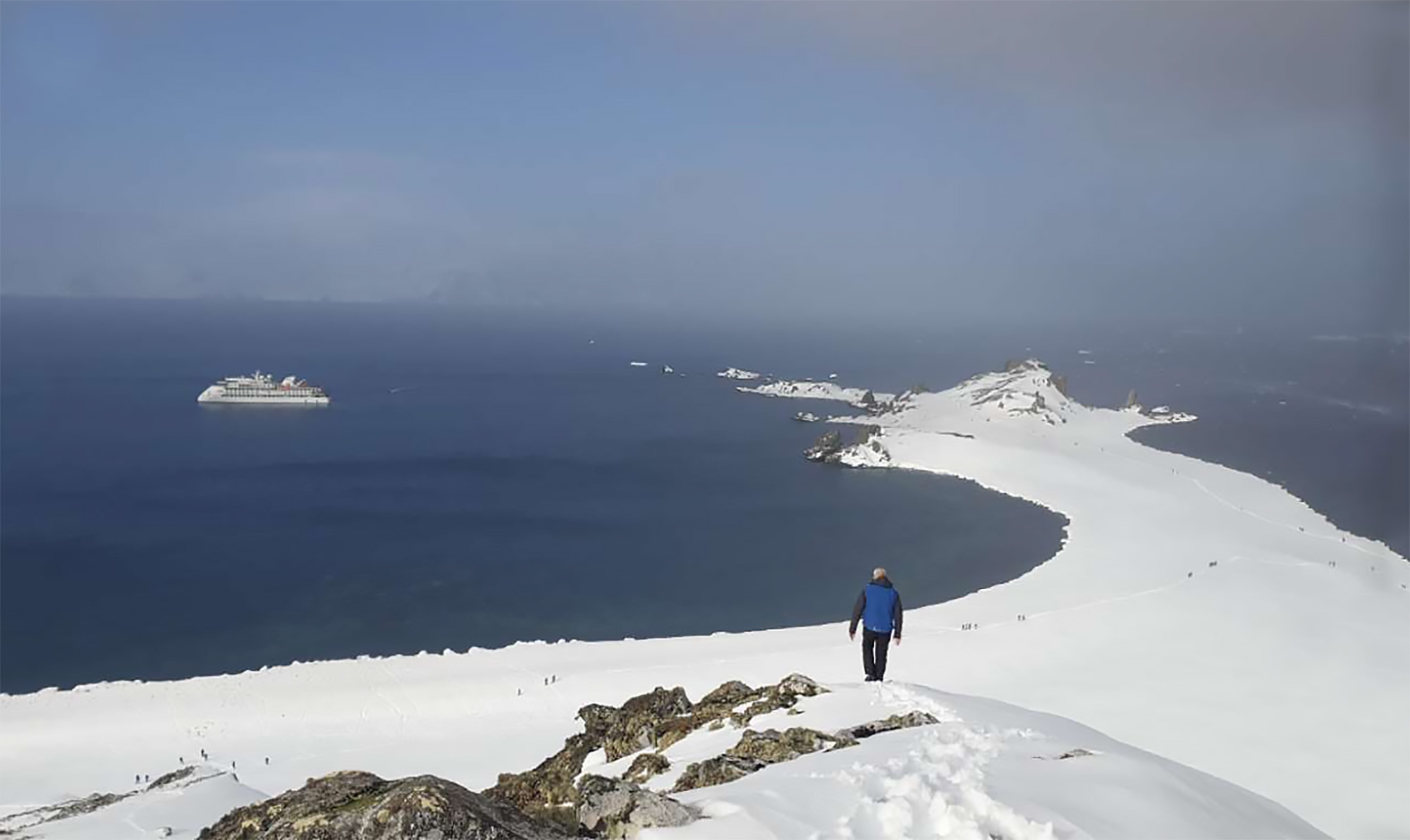
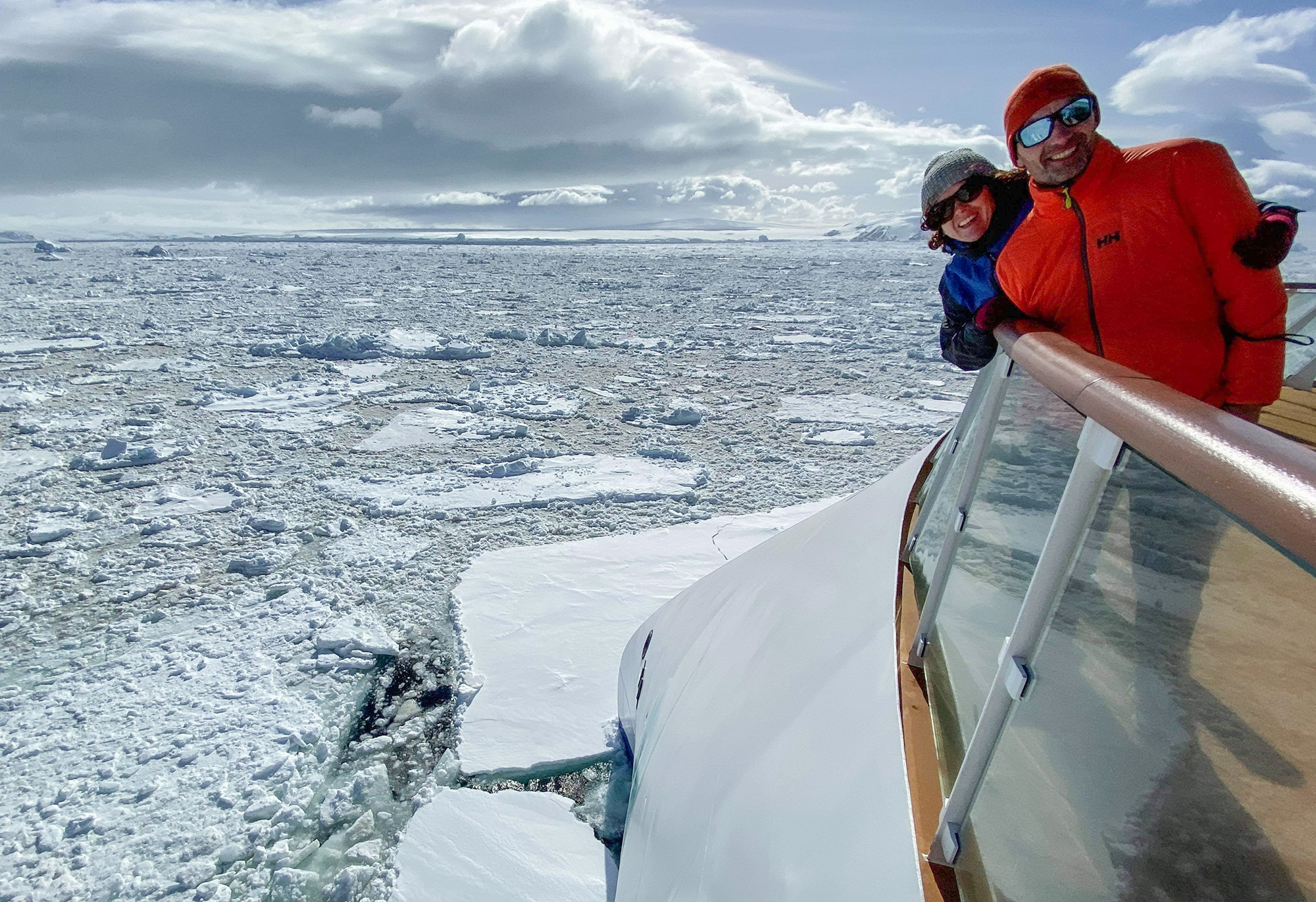
 Greg Mortimer passengers hiking in Antarctica.
 Enjoying the view of the Antarctic on the X-BOW exploration cruise vessel 'Greg Mortimer'. Photo: Peter Szyszka
 Storm at South Shetland Islands, Antarctica.
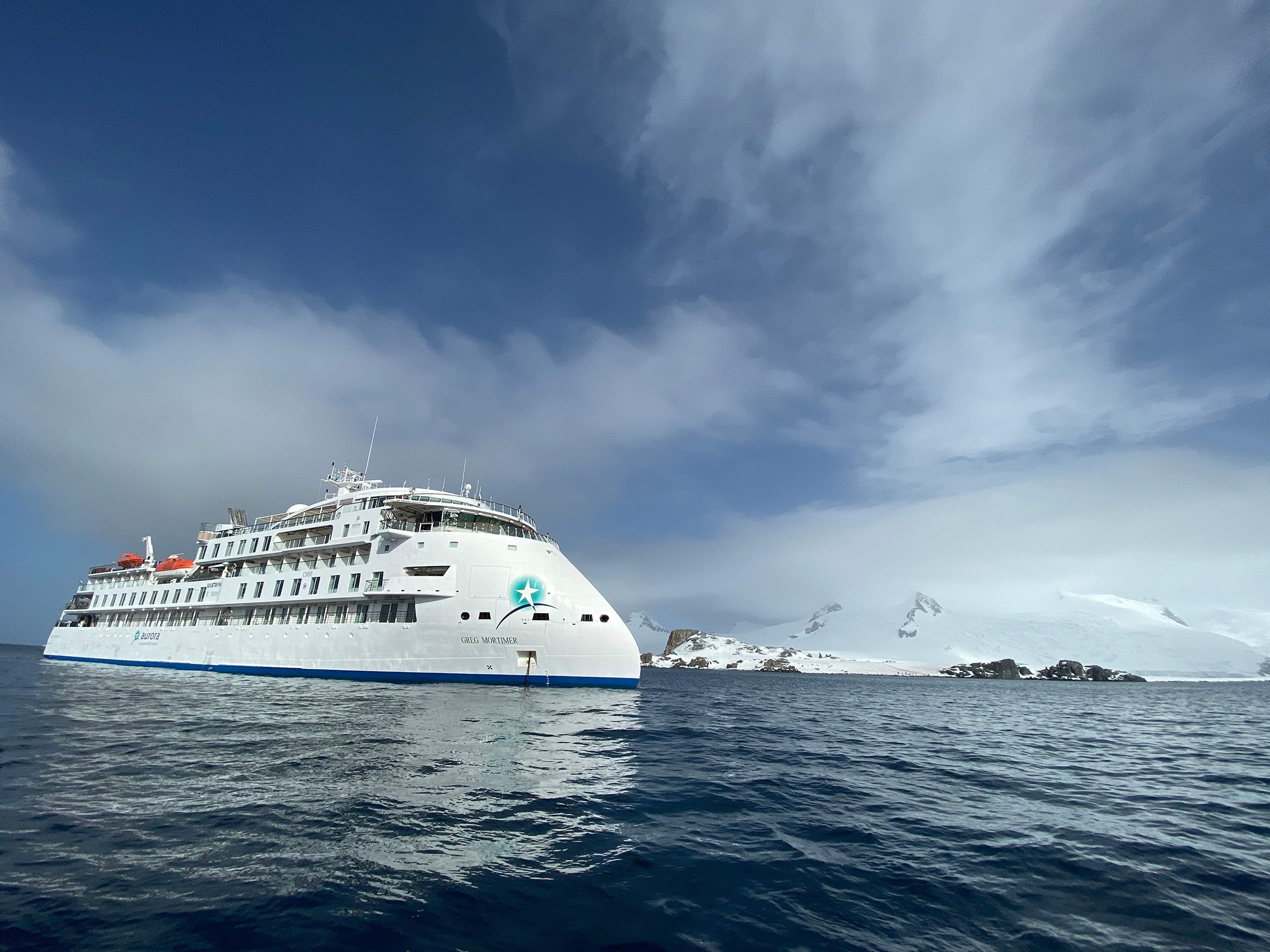
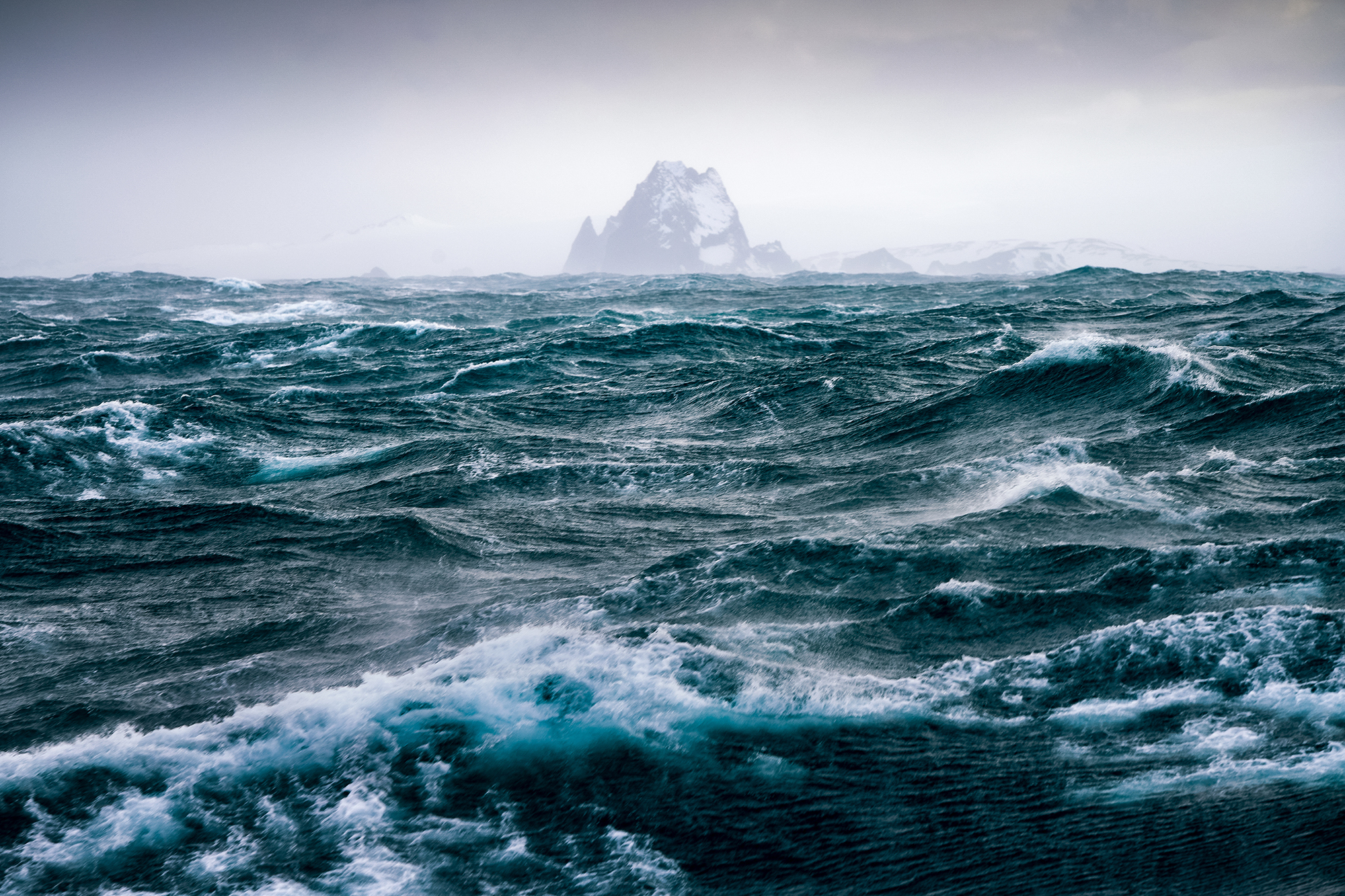
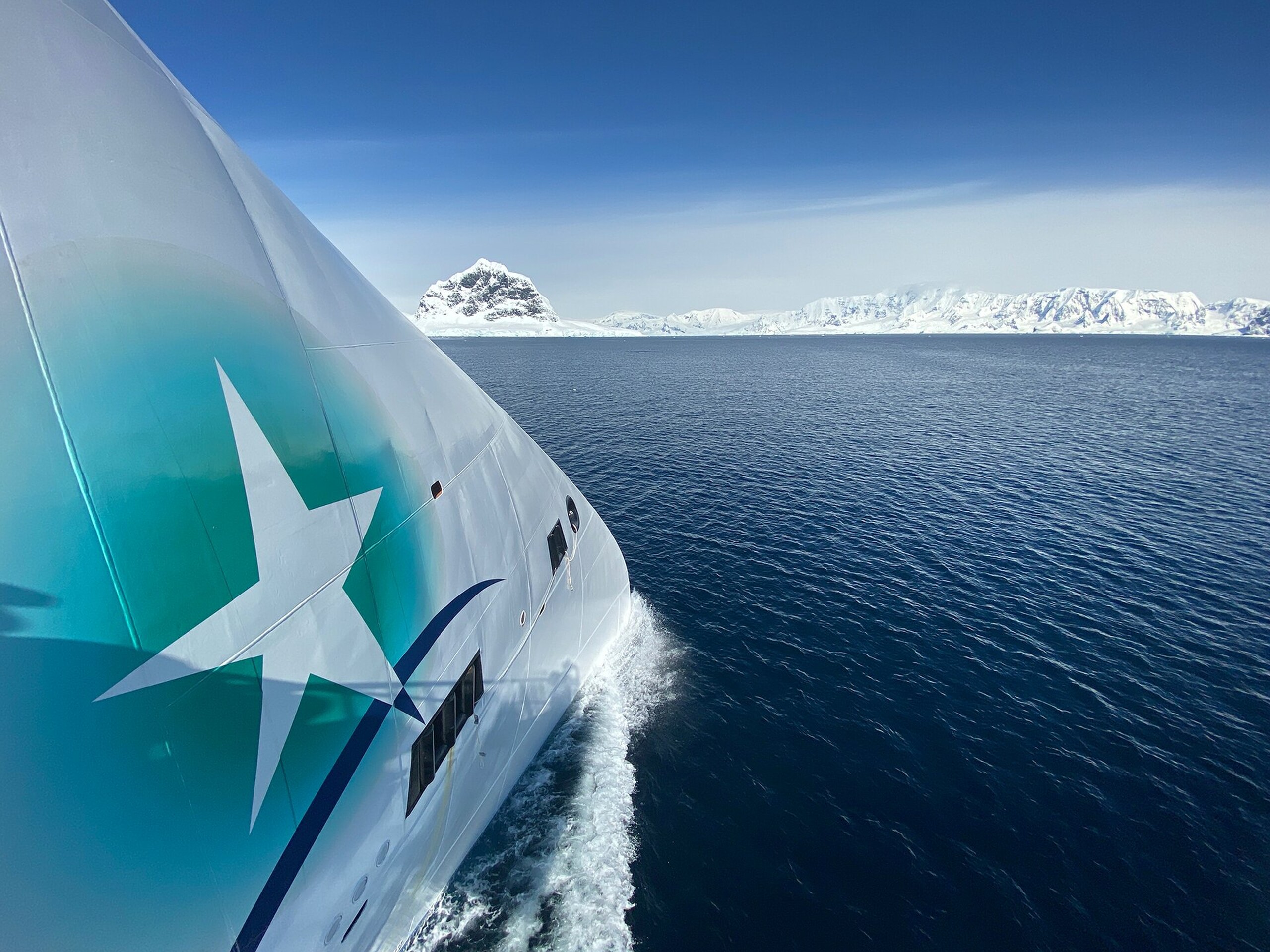
Greg Mortimer's characteristic X-BOW feature improves onboard comfort in head seas by reducing slamming and the resulting vibrations. Thus, the vessel can keep up speed in adverse weather to quickly pass through the harshest stretches of water, typically the Drake Passage, as seen in the photo below.
'In big seas I kept waiting for the slamming - it never came'
Already on her first journey from the shipyard in China, the vessel encountered very bad weather after leaving Cape Town, heading for Ushuaia, Argentina. According to the Captain, the waves were 8-10 metres, with some reaching above deck 5, and there were strong winds. The vessel still maintained a high speed of 12-13 knots, with only a 1-knot speed loss.
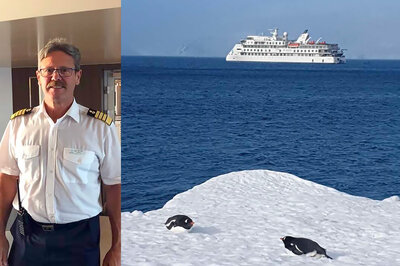
Photo: Captain Lindstrøm has been working in international shipping for about 40 years, the last 20 years as Master.
Ulstein launched the X-BOW® feature in 2005, and it is now implemented in more than 100 vessels worldwide, mostly offshore vessels. Ulstein has been a specialist in the offshore Oil & Gas segment for decades before entering offshore renewables, RoPax (car/passenger), and expedition cruise.
Being an offshore specialist means Ulstein's vessels must be robust and handle tough weather in some of the world's harshest ocean areas. When Ulstein turned to the cruise industry, the shipowners immediately saw the potential.
The 'Greg Mortimer' was the first cruise vessel to feature the X-BOW, and several more have been built since. Due to the X-BOW characteristics, all receive excellent feedback.
Why are vessels with the X-BOW more efficient?
The X‑BOW reduces slamming and energy loss by means of an optimised volume distribution, delivering smoother motions and improved crew comfort. Its performance remains consistent across varying draughts and speeds, unlike conventional flared bows that are optimised for a limited operating range.