One constant remains: fleets evolve faster than new ships can be built. As Kamsvåg noted, relying on newbuilds alone to achieve zero emissions is unrealistic. The global fleet exists, operates, and emits today, making repurposing a practical pathway to both lower emissions and higher capability.
Market reality: High demand, high uncertainty
Offshore Wind (OWE) and Oil & Gas (O&G) activity is increasing, driven by energy security needs and subsea infrastructure expansion. Yet this growth comes with significant uncertainty: volatile geopolitics, shifting cost levels, and political pressure on fossil fuels. Shipowners are therefore faced with a strategic question: Is the demand window stable enough to justify a newbuild?
Often, the answer is no. This pushes operators towards flexible, future-ready tonnage without the long lead times or high financial exposure of building new vessels.
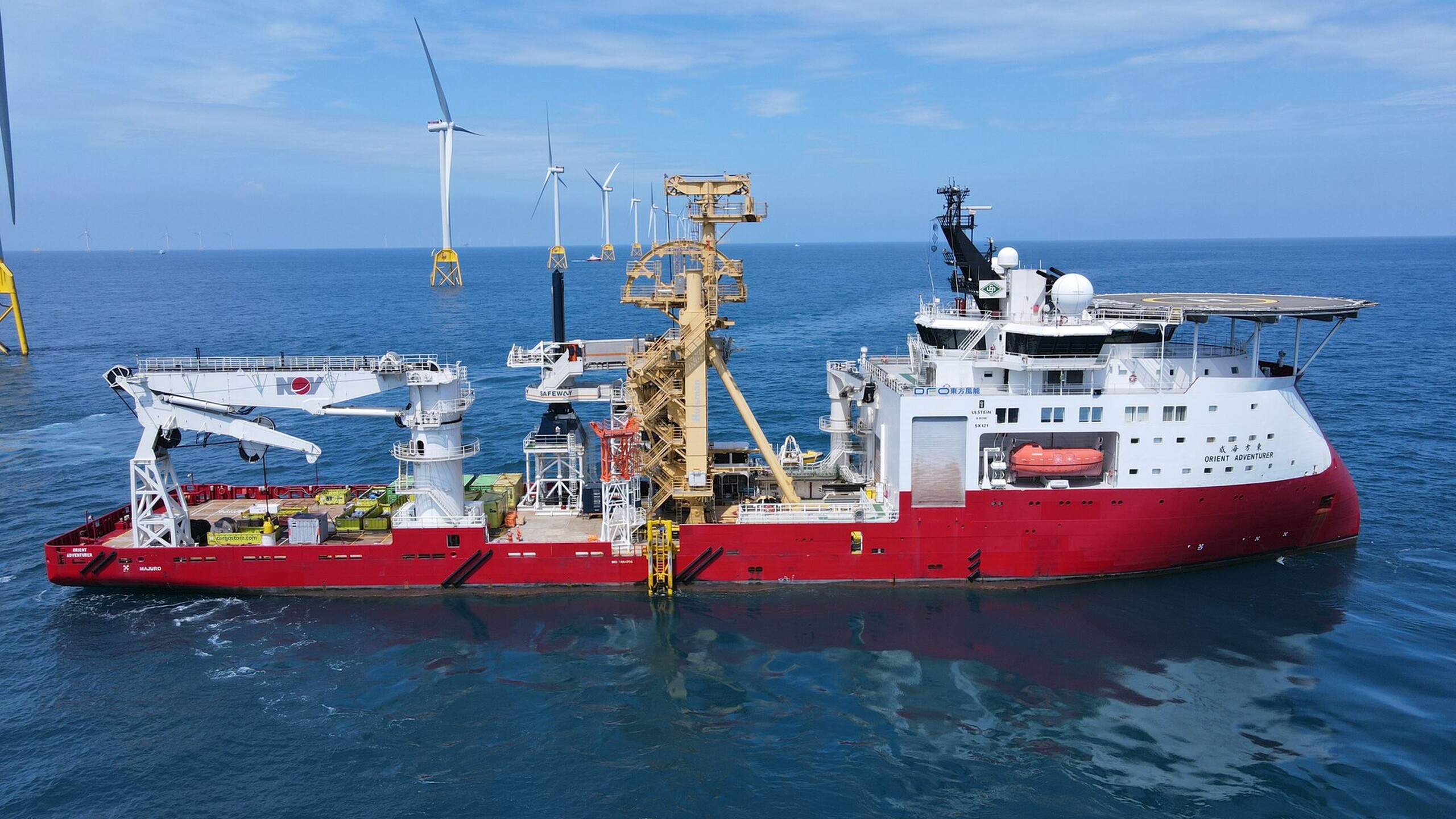
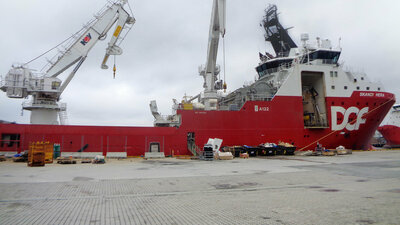
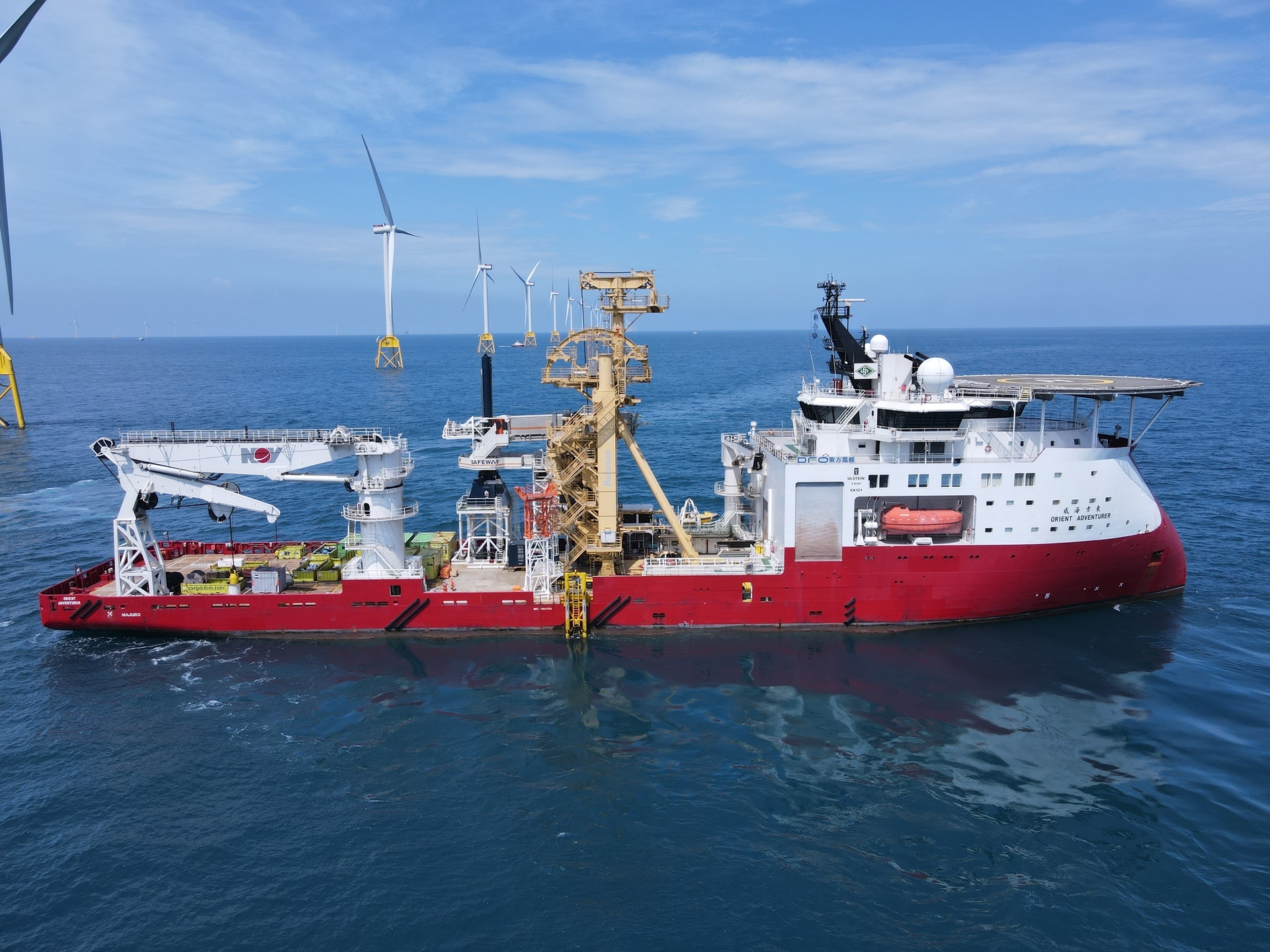
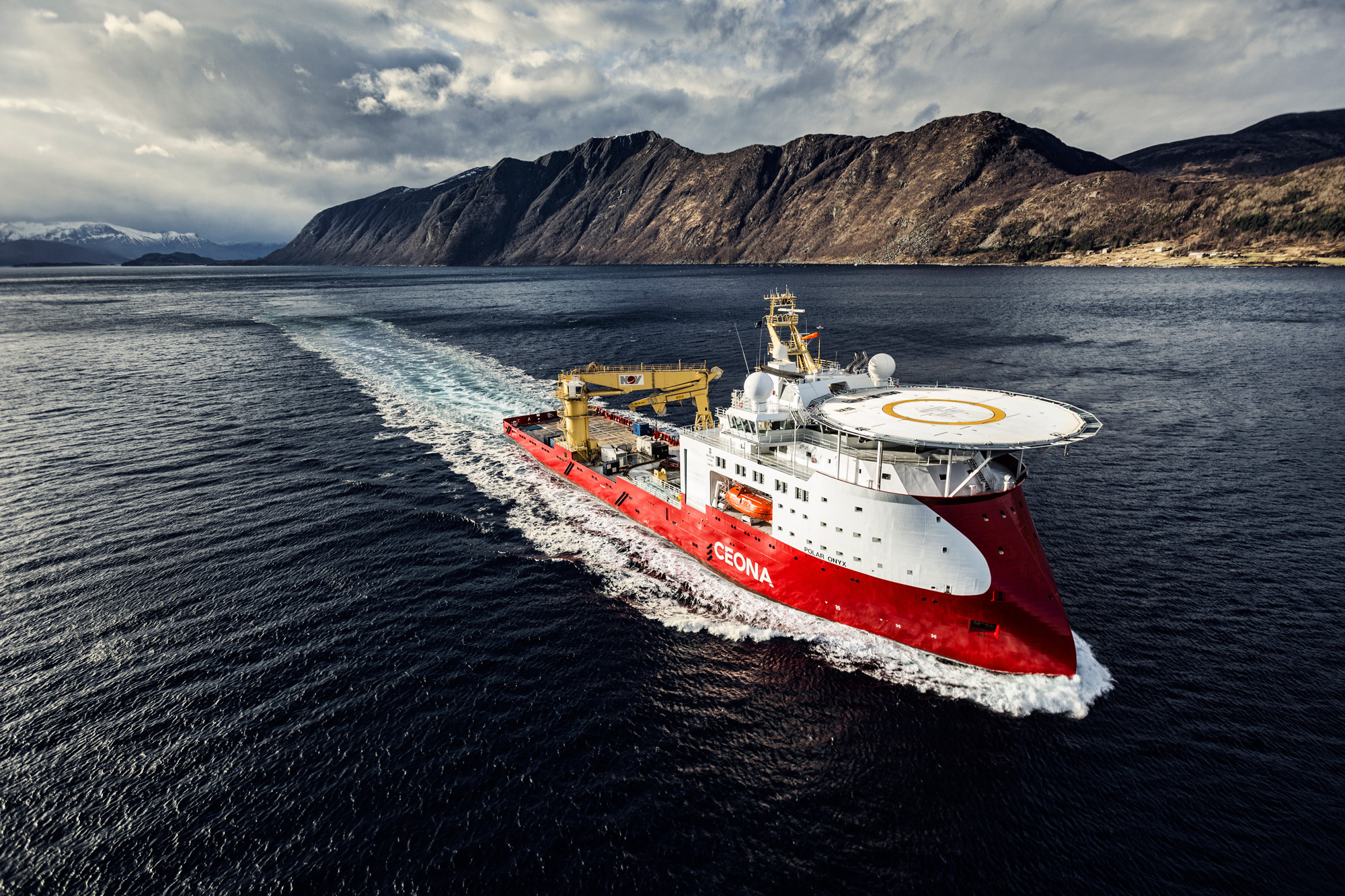
Photos below: Originally designed and built as a subsea vessel of the ULSTEIN SX121 design, Polar Onyx was later (2025) converted to a cable-laying vessel for maintenance, installation, and other subsea activities in offshore wind operations. She is now named Orient Adventurer.
 Orient Adventurer in operation.
 Polar Onyx as newbuilt from Ulstein Verft.
Key advantages of repurposing
- Faster delivery and reduced risk: Refitting existing vessels offers shorter lead times and lower financial exposure than newbuilds, which is crucial when market windows are narrow and unpredictable.
- Lower emissions and increased capability: Repurposing offers a practical path to both lower emissions and enhanced operational capability.
- Optimal balance between CAPEX and OPEX: Operational expenditure now outweighs initial investment. With the right engineering expertise, repurposing can deliver predictable performance and extended service life.
Success factors for retrofits
Kamsvåg identified three factors that determine retrofit success and stressed that poor design decisions cannot be corrected later:
- Weight, space and stability: Changes in weight and centre of gravity can affect the vessel’s stability and operability.
- Interface management: New systems must integrate seamlessly with existing electrical, automation and safety solutions. Strong interface control turns complexity into capability; weak integration creates operational risk.
- Futureproofing: Structural reservations, power margins and system segregation enable phased upgrades, avoiding premature obsolescence and extending vessel longevity.
Regulation: Innovation must be certifiable
Retrofits often trigger different regulatory pathways than newbuilds. Even minor changes can activate stricter requirements. Compliance typically involves risk assessments, functional safety justifications and equivalence arguments. Early dialogue with classification societies and flag authorities is essential. Kamsvåg emphasised that regulation is not a barrier, but a framework that enables innovation.
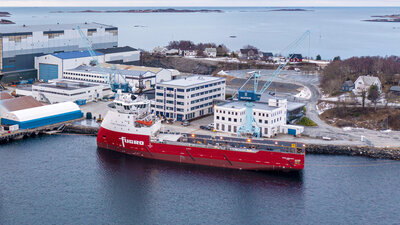
The Multi-Purpose Offshore Vessel Island Constructor underwent a major upgrade at Ulstein Verft. The vessel's skidding system needed the capacity to move larger units for a new assignment. Ulstein Design & Solutions performed the strength calculations and engineered the foundation for new equipment, while Ulstein Verft integrated the new subsea equipment. The equipment was adapted in the hangar, on the deck, in the tower, and on the ship in general.
Efficiency first
The greatest and fastest emissions reductions occur before any change of fuel source. Hull optimisation, propulsion efficiency, hybridisation and improved operational profiles can reduce energy consumption by 10–30%, laying the foundation for a credible fuel strategy. With robust engineering, repurposed vessels can not only remain competitive today but stay resilient and relevant in the years ahead.

Øyvind Gjerde Kamsvåg
- Description
- Chief Designer
- Affiliation
- Ulstein International AS

Roy Lindset
- Description
- Sales Manager Service & Aftermarket
- Affiliation
- Ulstein Design & Solutions AS

Martin Sundgot Hansen
- Description
- Sales Manager Aftermarket
- Affiliation
- Ulstein Verft AS