The offshore wind industry has focused for years on bigger turbines and larger wind farms.
Yet as projects move further offshore and into harsher environments, another factor is becoming increasingly important to project economics: vessel operability. Every hour of downtime represents lost production. For developers, contractors and operators, every weather delay, installation interruption and maintenance outage affects the cost of the electricity produced.
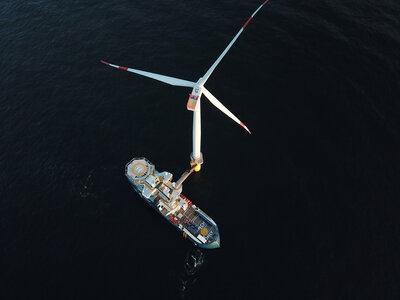
Every weather window counts
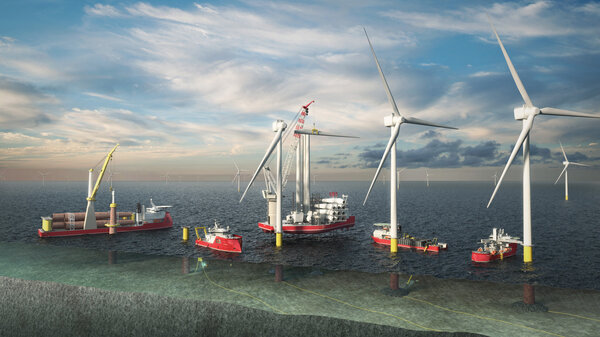
Weather remains one of the biggest cost drivers in offshore wind. Installation campaigns, cable-laying operations and maintenance activities all depend on limited weather windows. As projects move farther from shore, lost time becomes even more expensive.
A vessel that can maintain productivity in a broader range of environmental conditions can help reduce delays, improve asset utilisation and lower project cost. In offshore wind, even modest improvements in operability can create significant value over the lifetime of a project.
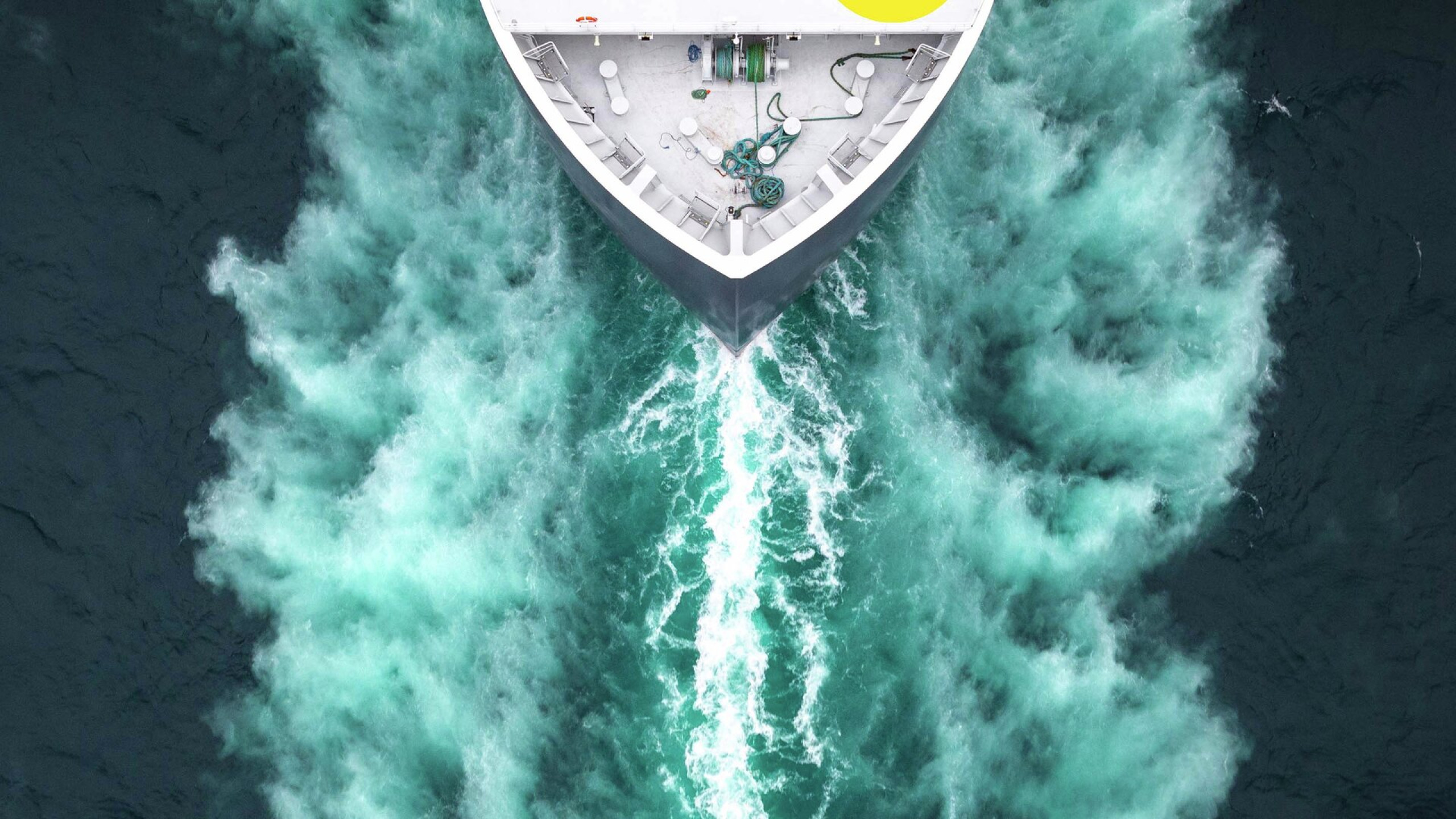
Uptime starts offshore
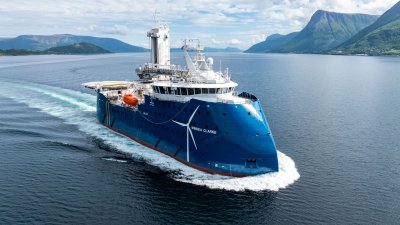
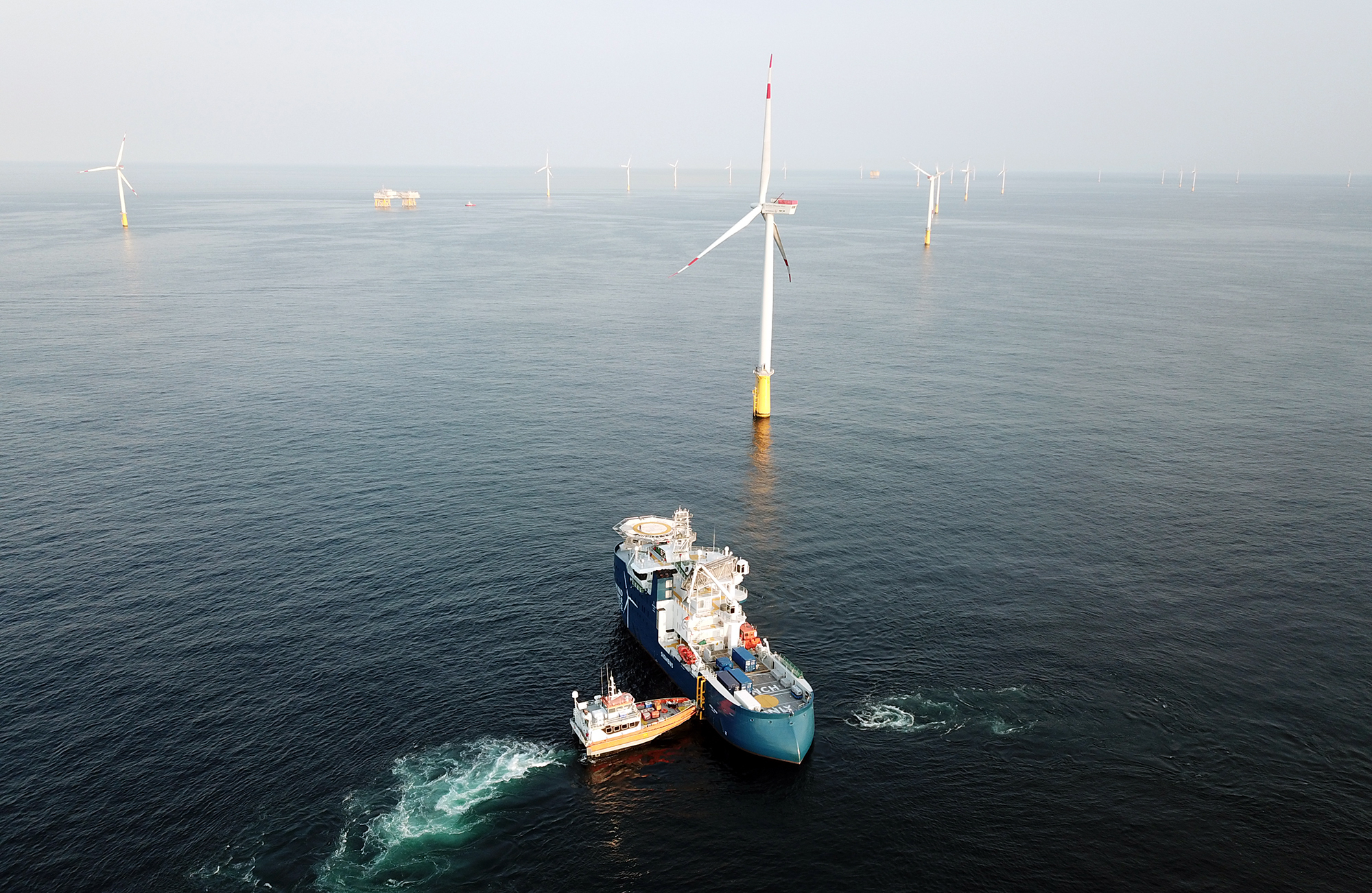
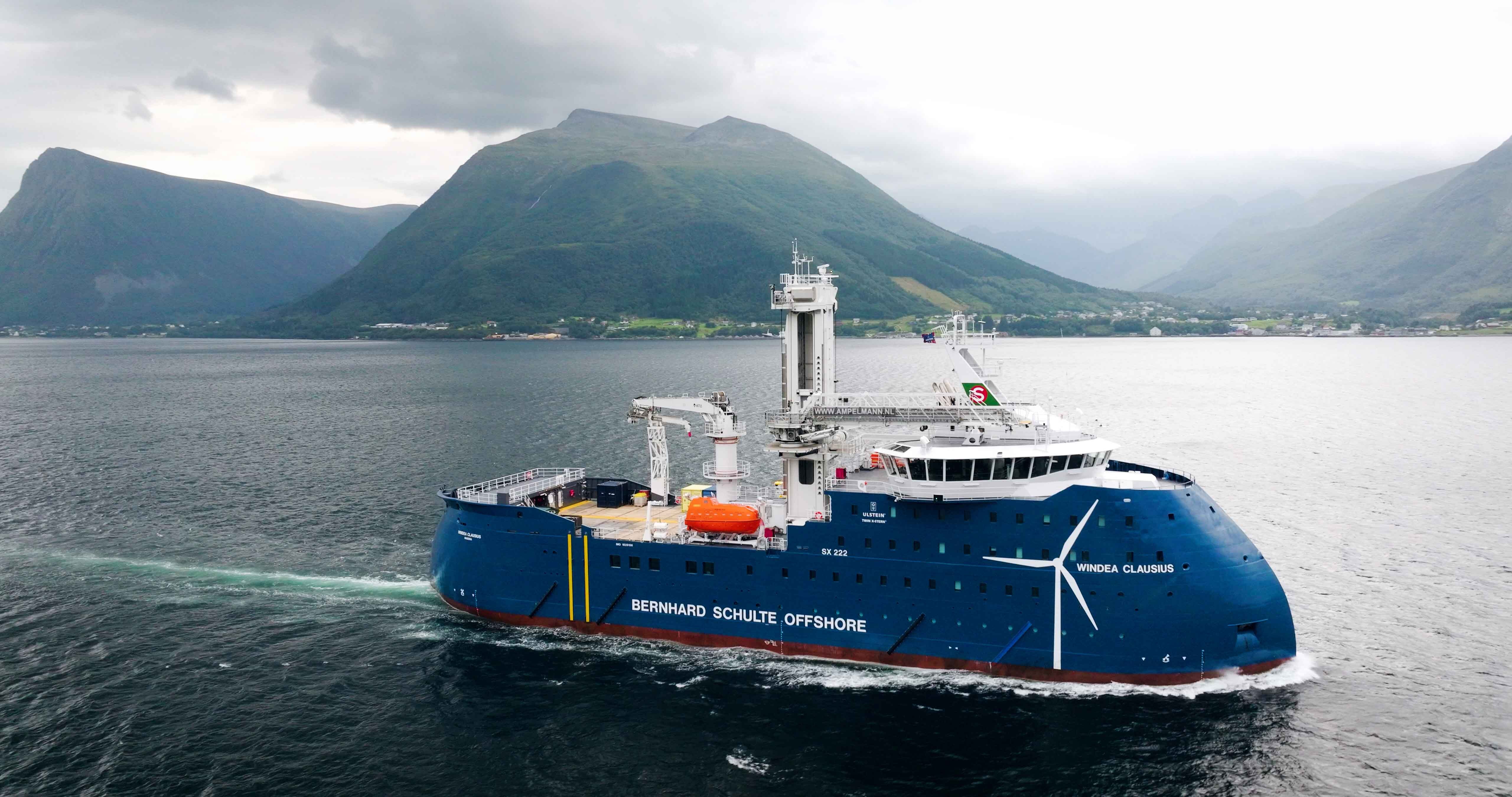
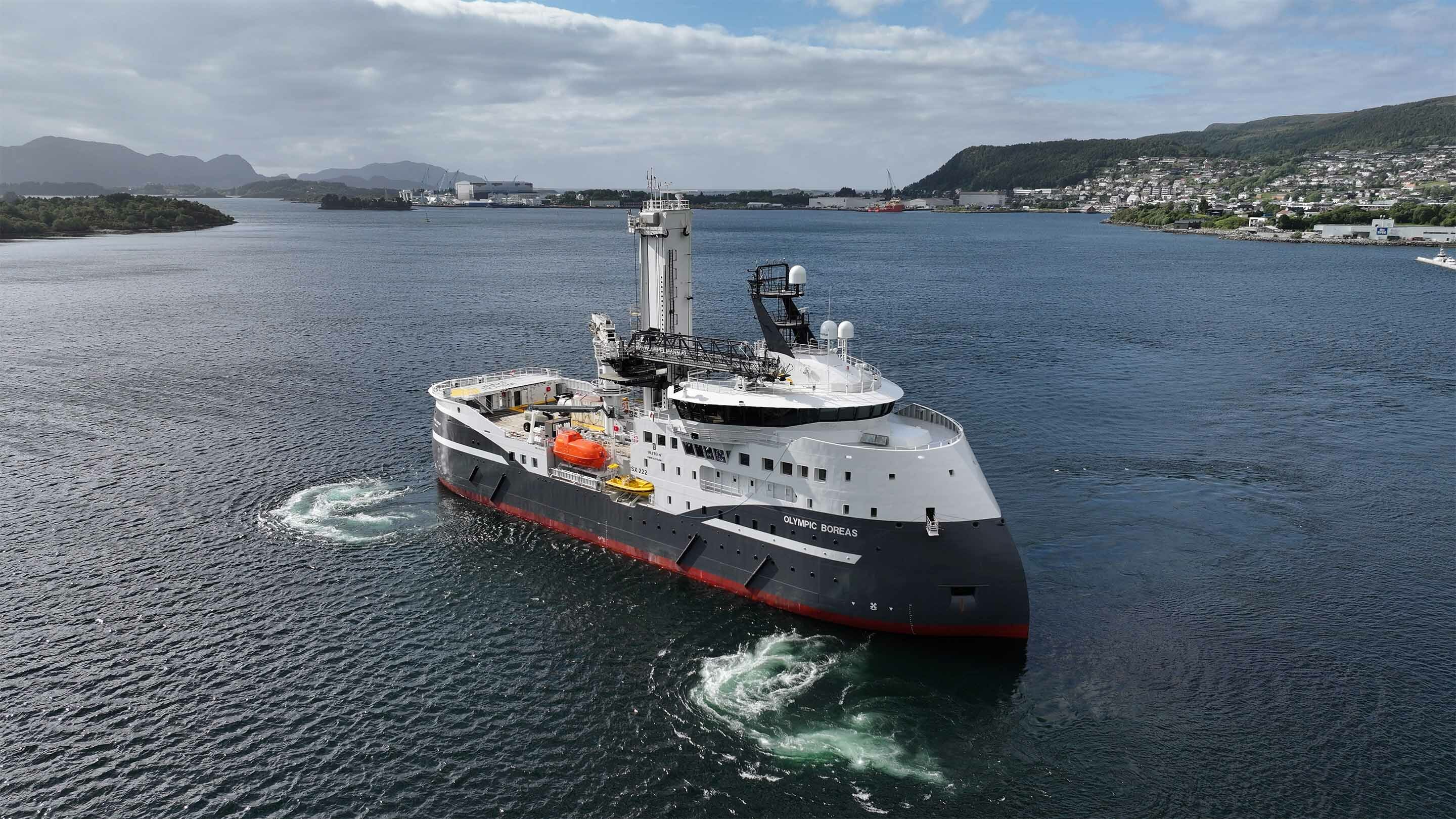
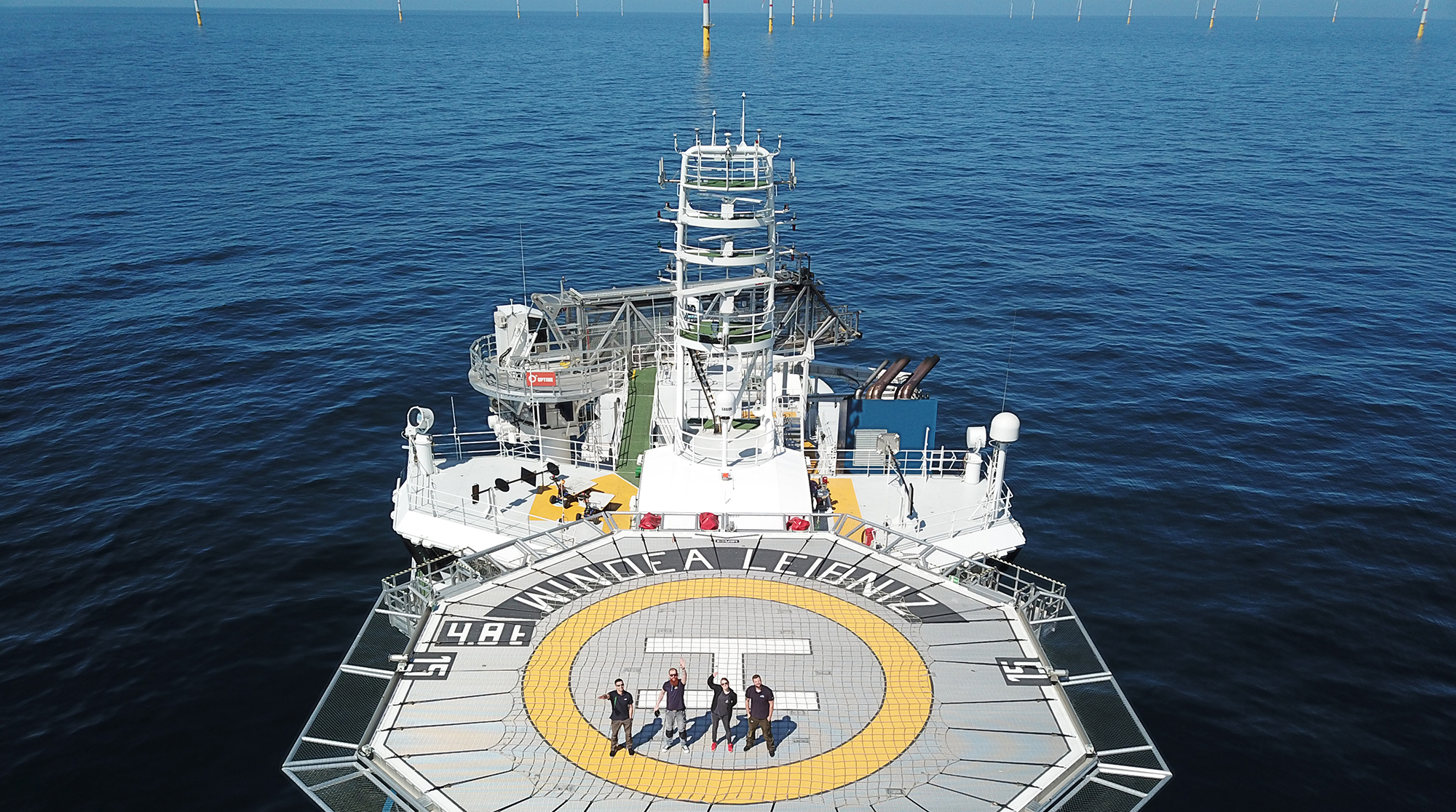
Once a wind farm enters operation, the focus shifts to turbine availability. Efficient maintenance therefore becomes critical. Modern SOVs and CSOVs are more than transport vessels. They act as offshore bases that keep technicians close to the turbines, reducing transit times and enabling faster interventions.
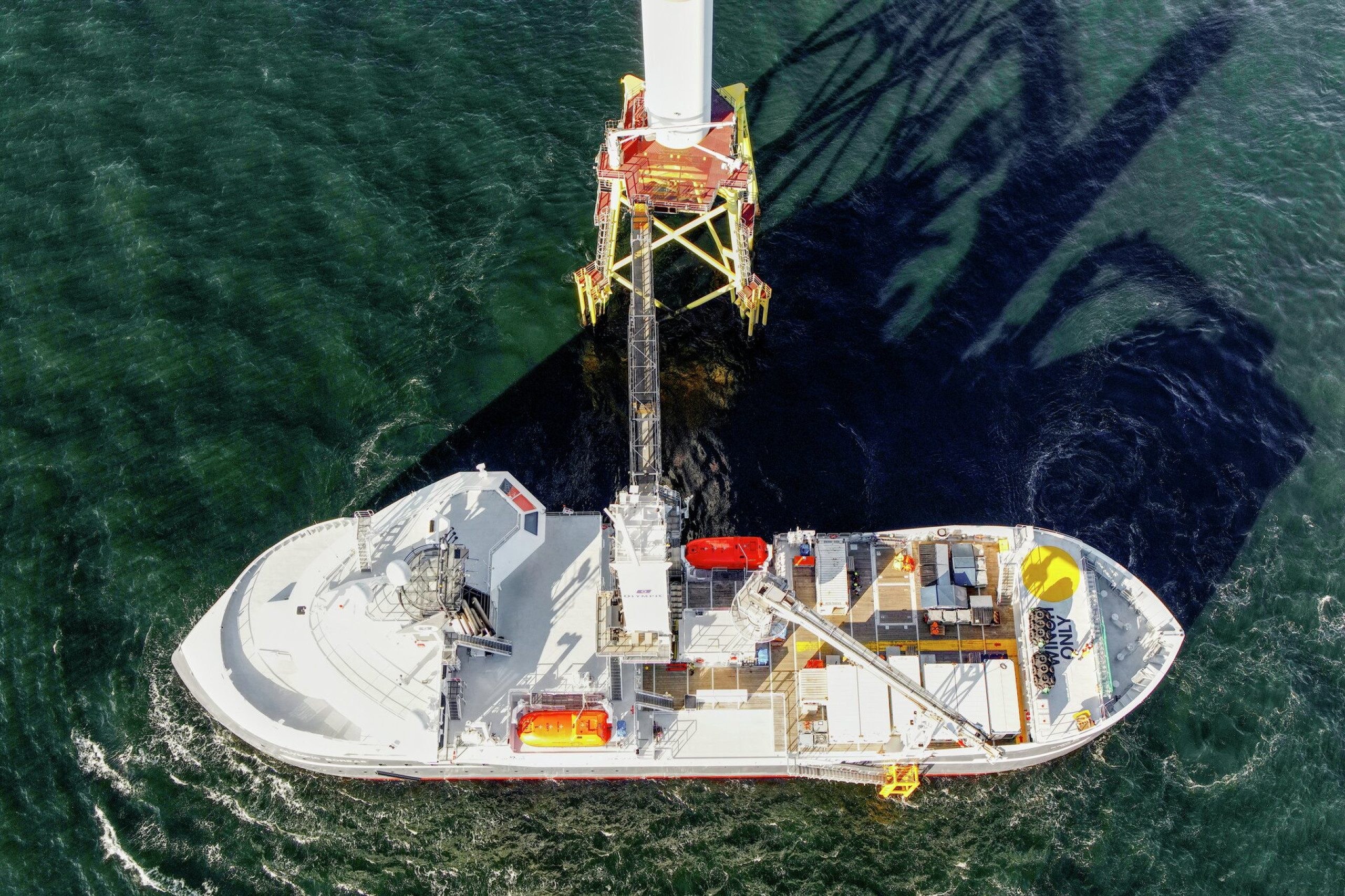
Designing to increase operational efficiency
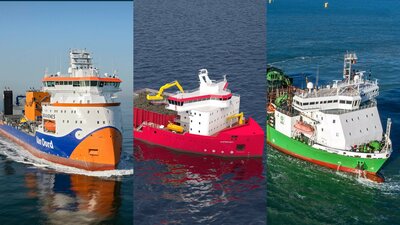
As the industry matures, purpose-built offshore wind vessels are becoming increasingly important. Features such as the ULSTEIN X-BOW®, X-STERN® and TWIN X-STERN® were developed to improve workability in demanding offshore conditions. Reduced motion, reduced slamming, and improved comfort help crews work more efficiently and support operations across a wider range of conditions.
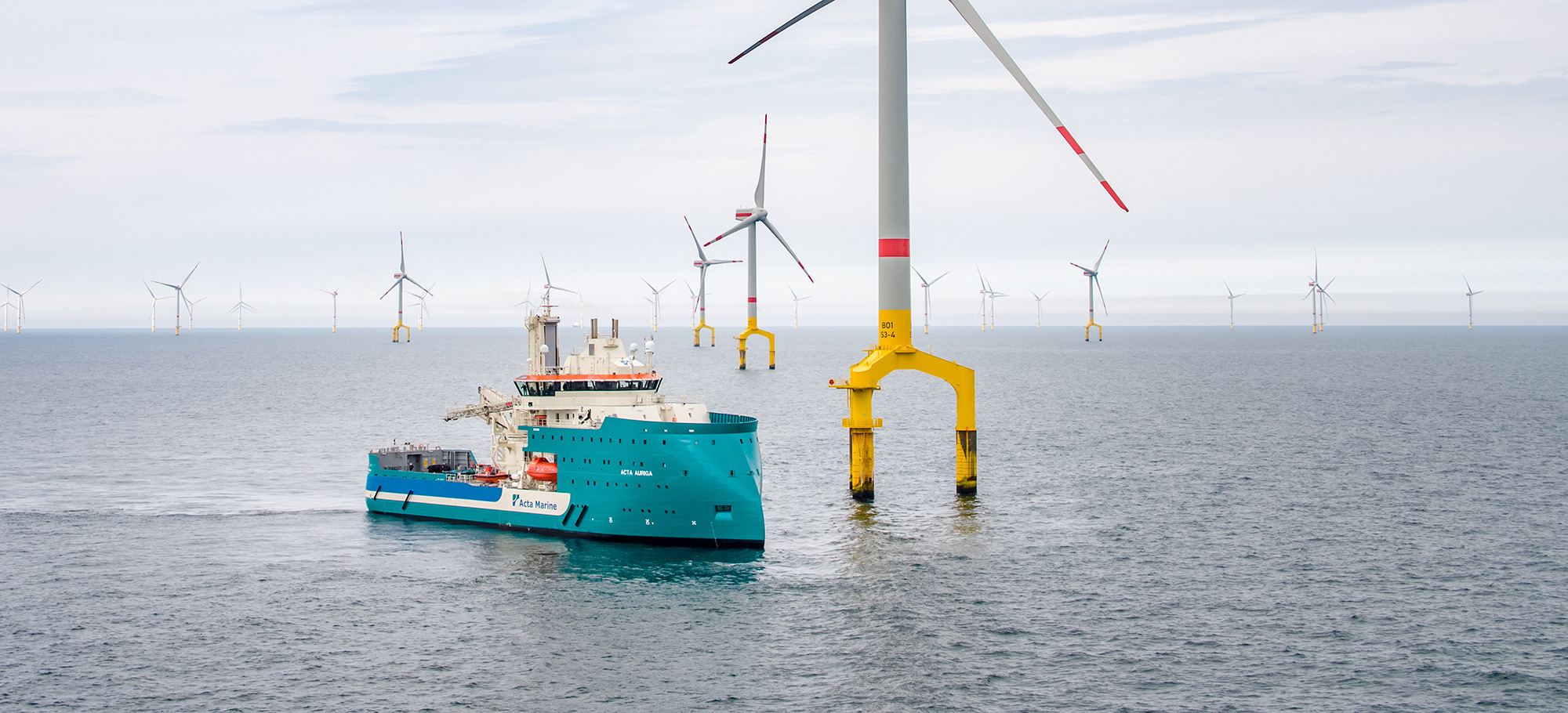
A commercial advantage
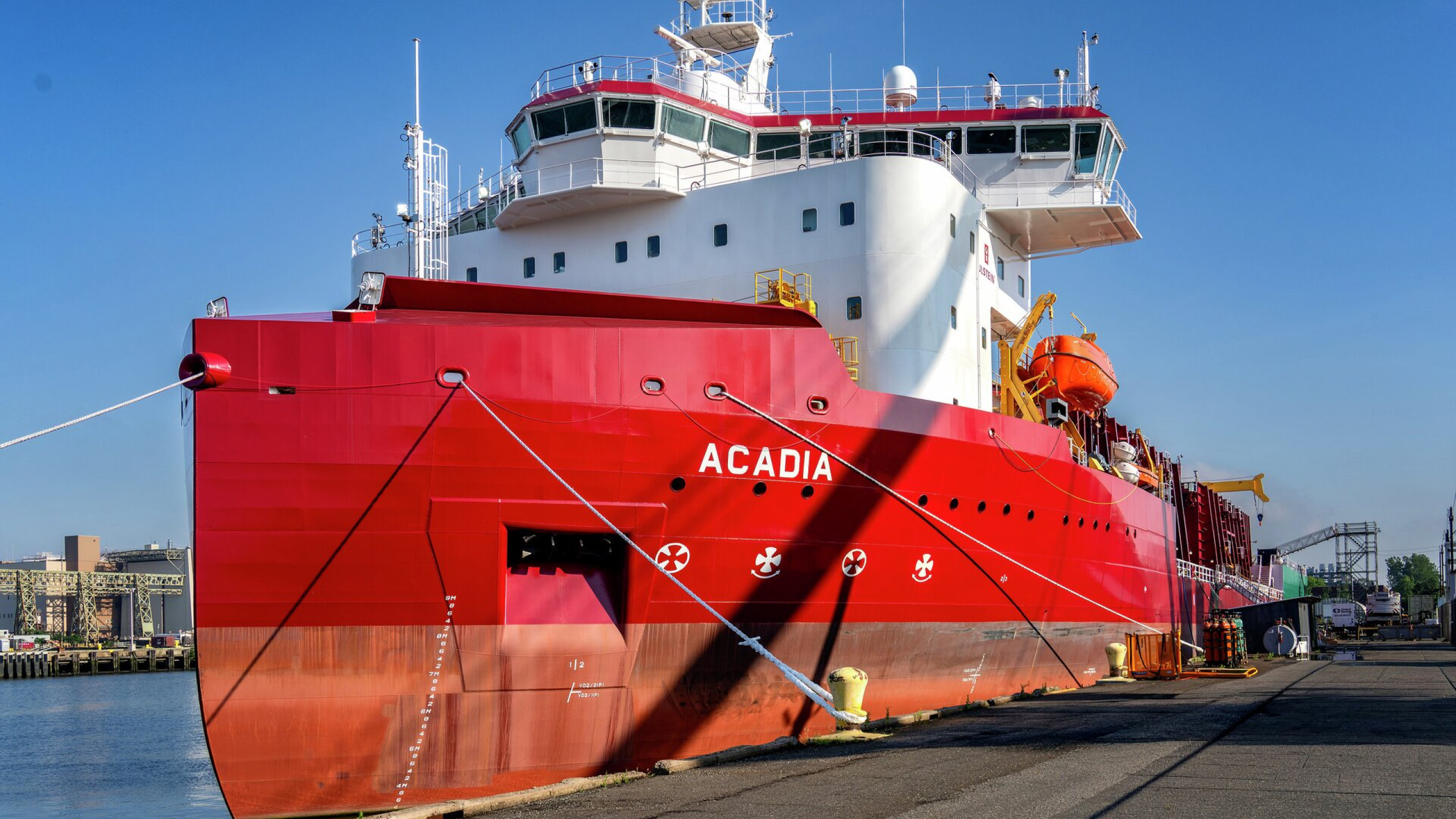
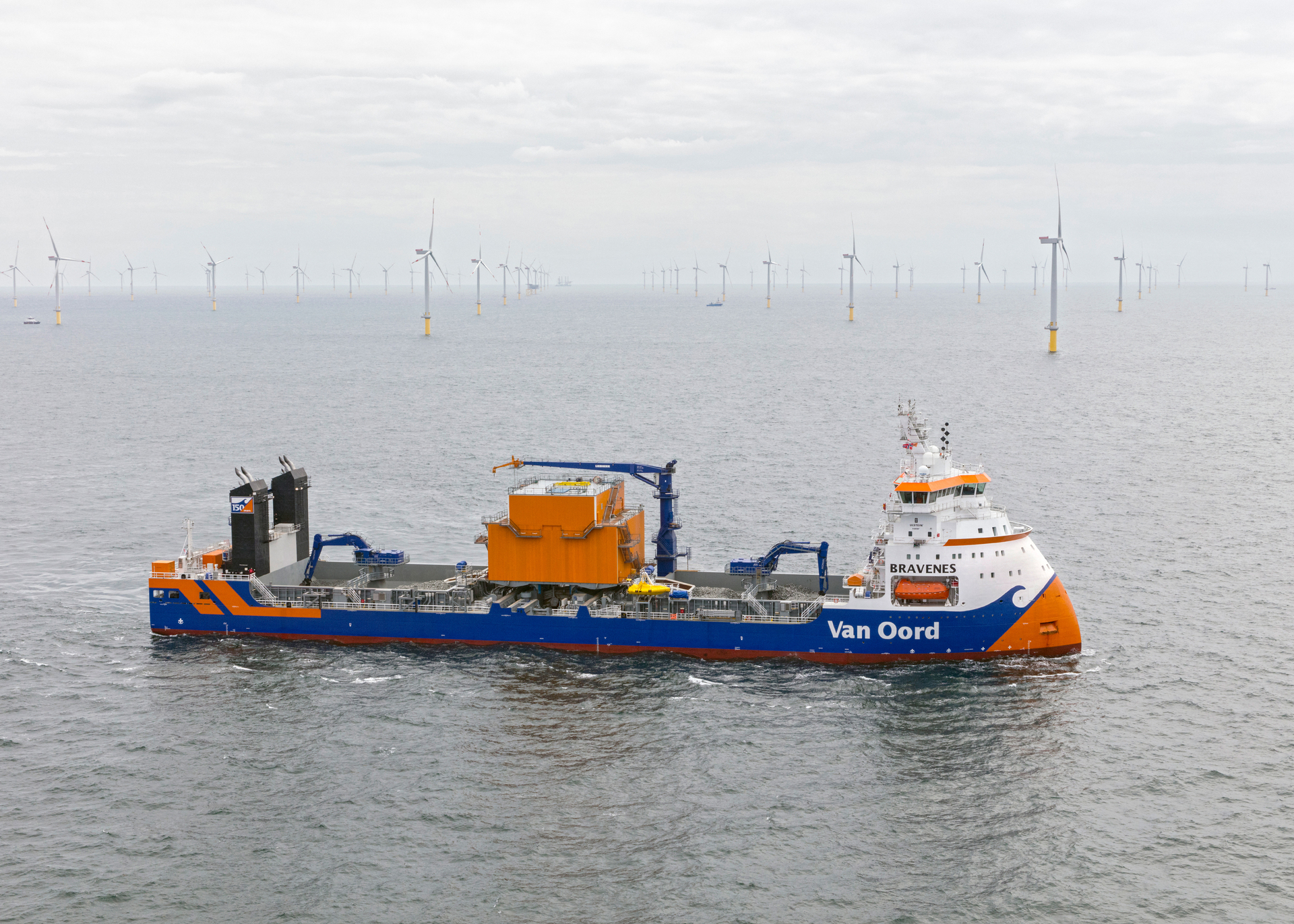
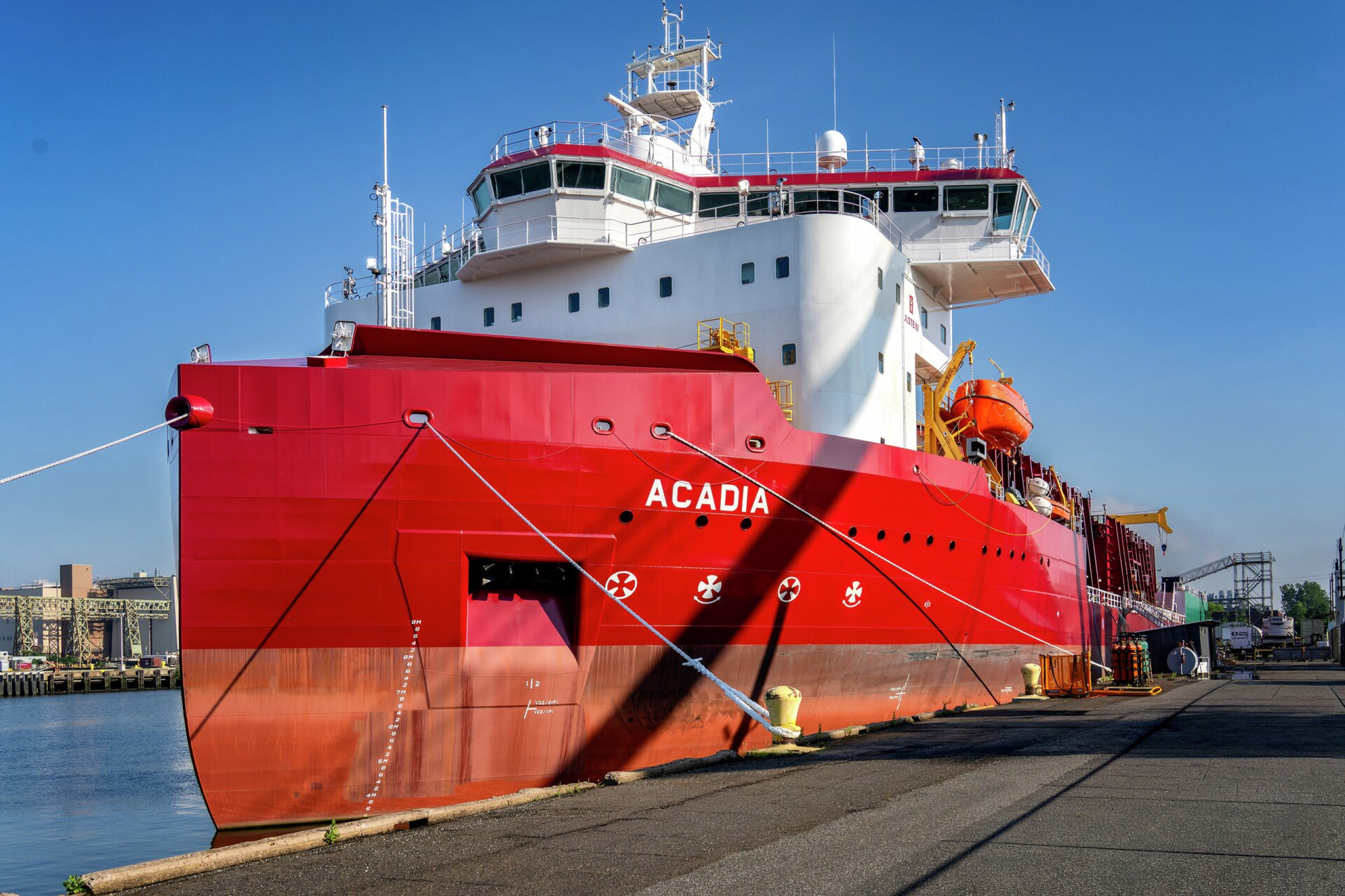
The recent delivery of the subsea rock installation vessel Acadia reflects a broader trend in offshore wind. Delays in foundation and cable protection activities can affect subsequent installation work and increase vessel waiting time elsewhere in the project chain. Efficient execution therefore has a direct impact on project economics. Purpose-built vessels that combine high operational capability with lower-emission solutions help contractors complete critical work safely and efficiently while maximising the use of available weather windows.
As offshore wind projects become larger and more complex, optimising marine operations is becoming a competitive advantage. Vessel design is no longer only an engineering discipline. It is a commercial tool that influences installation efficiency, maintenance performance and, ultimately, the levelised cost of energy (LCOE).
The next frontier
The first generation of offshore wind proved the technology, the second scaled it, and the next phase is about optimisation. While larger turbines will continue to play a role, future reductions in LCOE will also come from improving the thousands of marine operations that take place throughout a wind farm's life.