The hidden cost driver in offshore wind
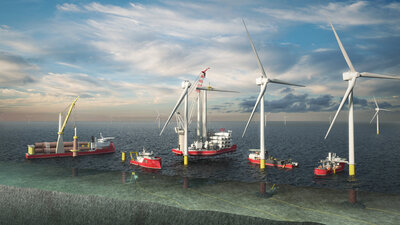
Why vessel operability matters more than ever for reducing LCOE; Vessel uptime has become a critical enabler of project performance.
Turning visions into reality is our slogan and driving force. It motivates us to keep pushing for progress in the maritime industry.
Through our stories, you can learn more about how we work with our customers to achieve their visions.

Why vessel operability matters more than ever for reducing LCOE; Vessel uptime has become a critical enabler of project performance.

As offshore oil and gas developments become more complex, operators are rethinking how fields are designed, operated, and supported. For Aker BP, this shift is clearly visible in the Yggdrasil development, the largest ongoing project on the Norwegian Continental Shelf.

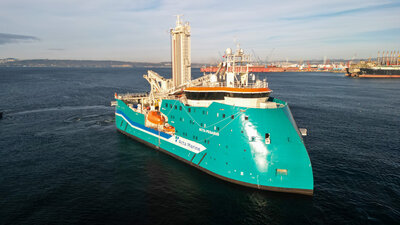
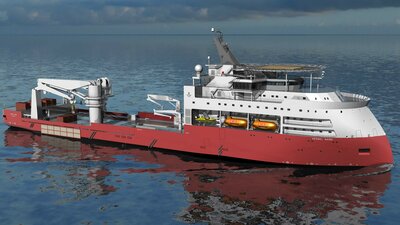
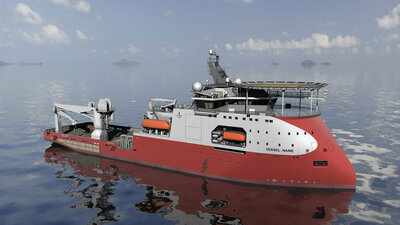
Acta Pegasus was delivered to Acta Marine in December 2025 by Tersan Shipyard. This vessel is the first of four newbuild Walk-to-Work (W2W) Construction Service Operation Vessels (CSOVs) designed by Ulstein Design & Solutions AS for Acta Marine.

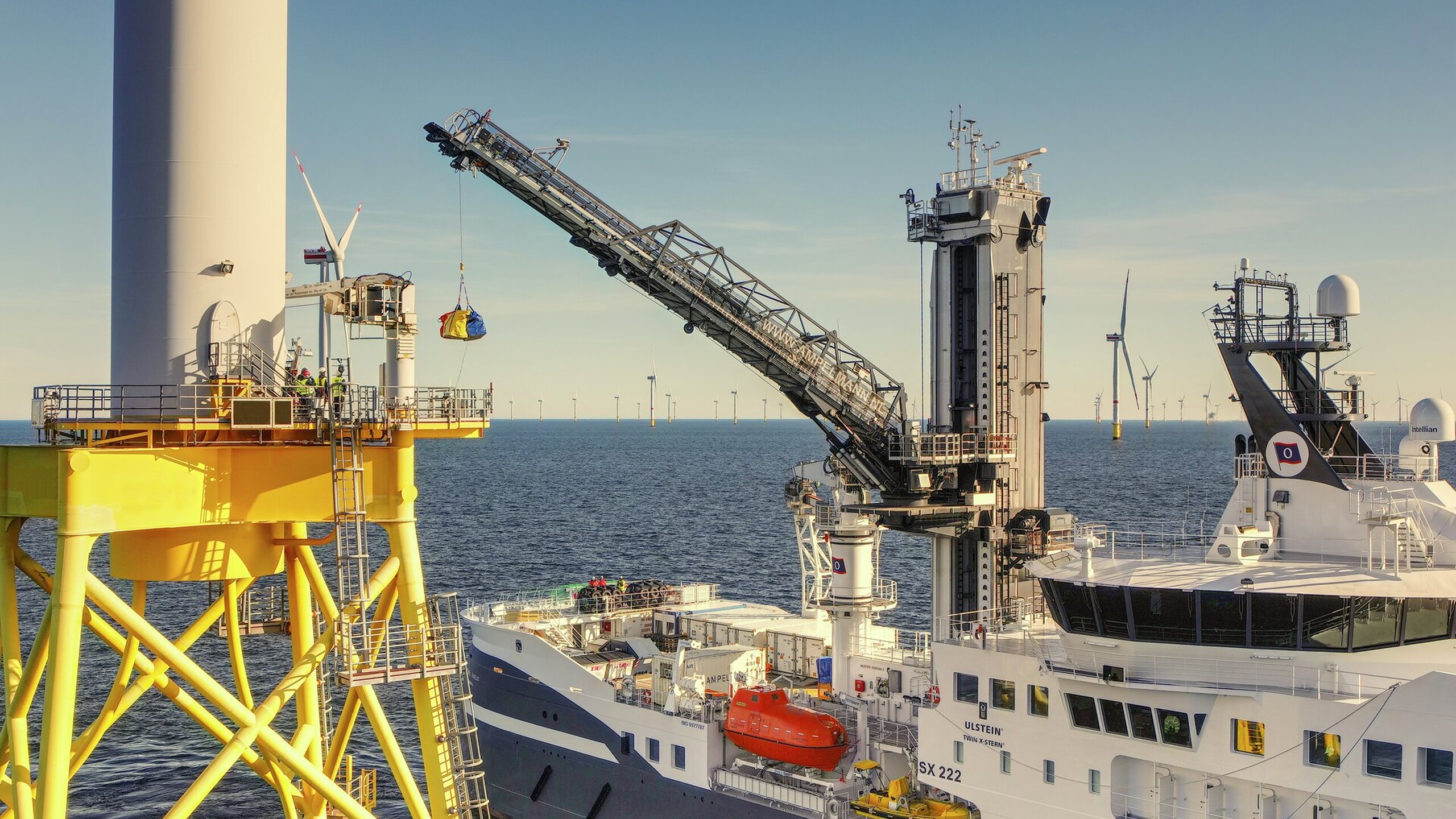
The total number of walk-to-work (w2w) vessel designs and redesigns by Ulstein now counts 22, of which 16 are currently in operation. On average, these vessels perform repair and maintenance on more than 5,000 turbines every year! That makes a stunning 95,000+ gangway connections!

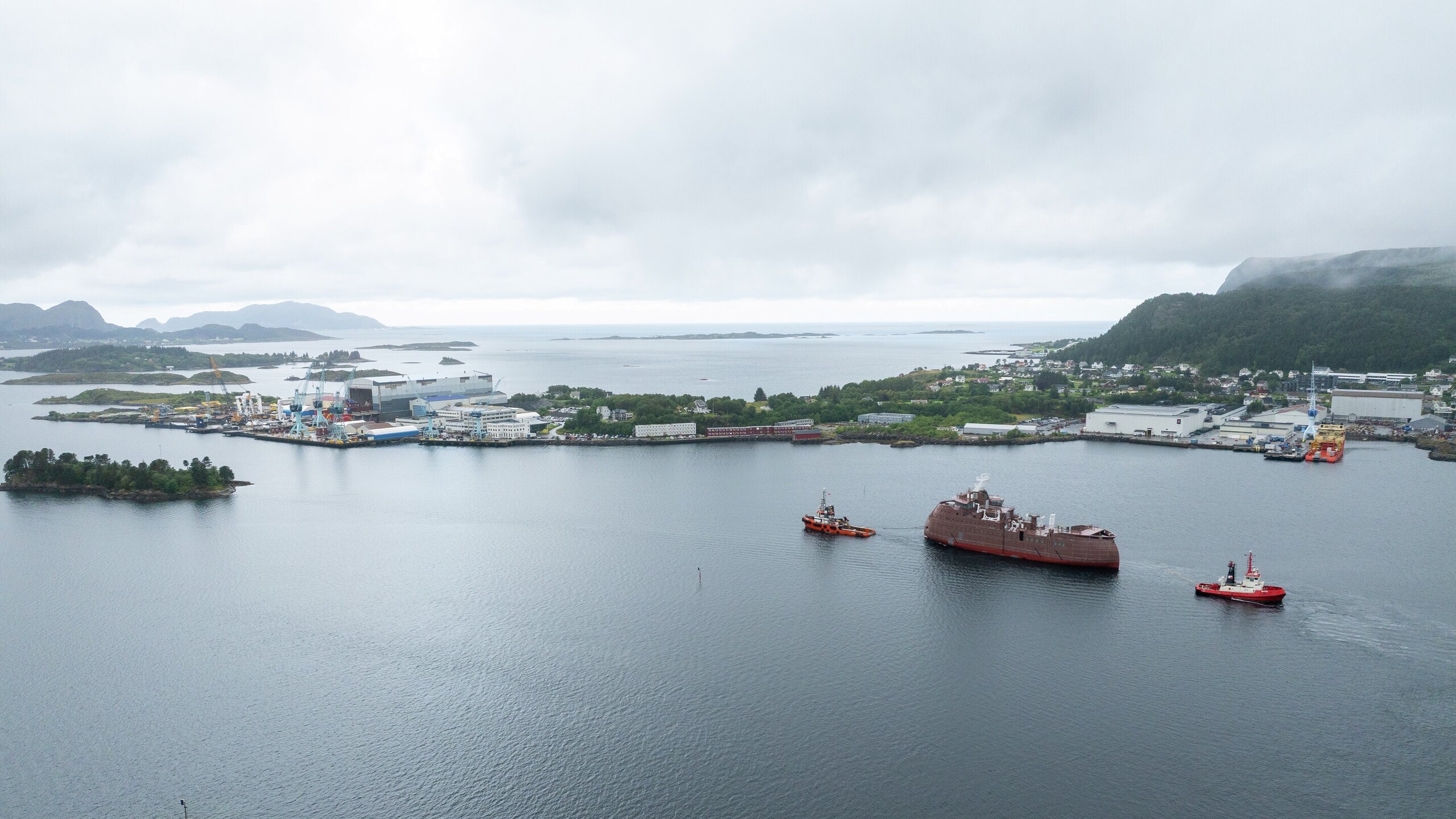
On Friday 15 August 2025, the hull for a new offshore wind service vessel of the CSOV type arrived at Ulstein Verft. This marks a new step in the process towards the completion of this state-of-the-art vessel, which has been developed to support energy-efficient offshore wind operations with high performance.

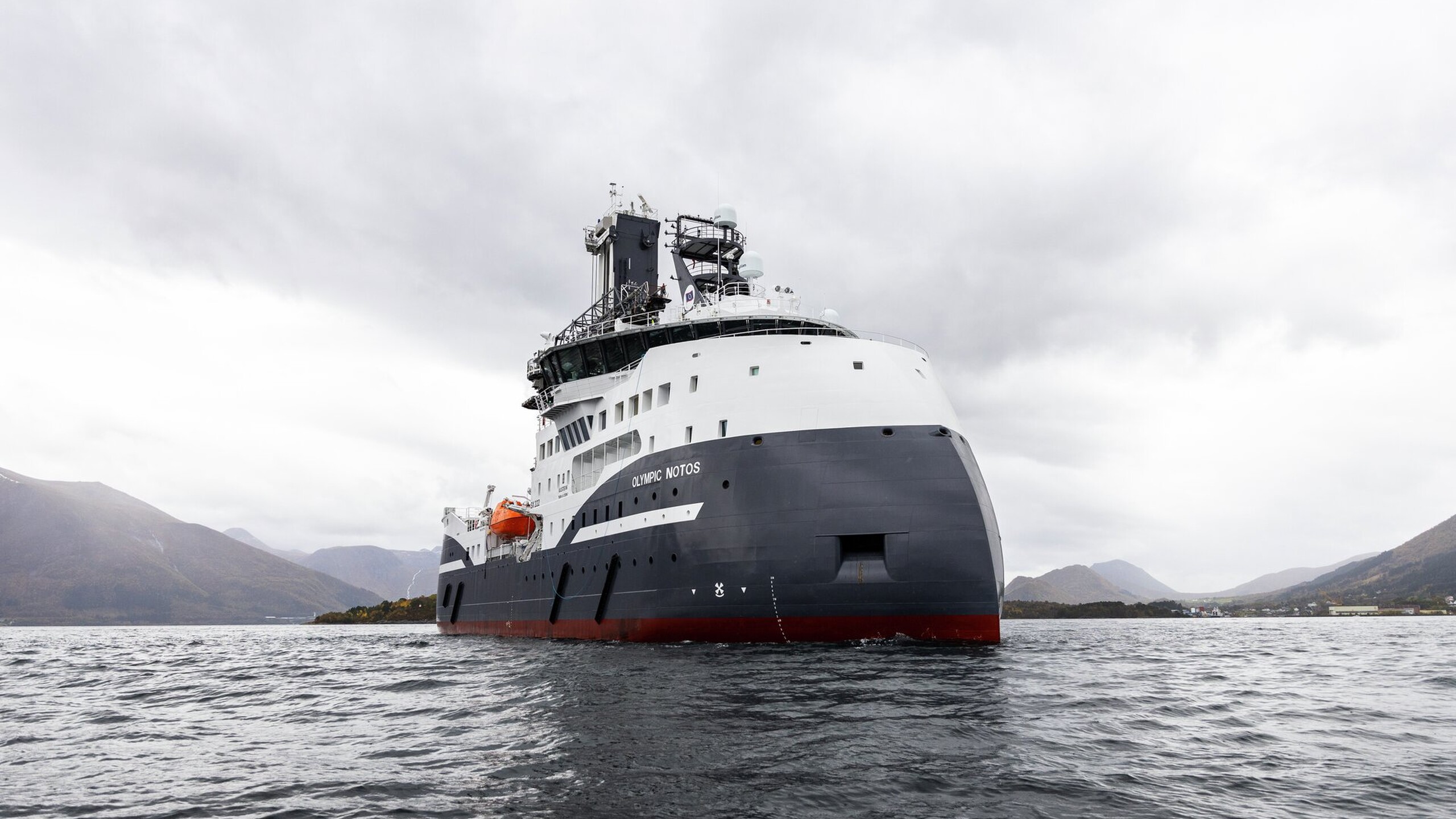
Ulstein Verft has signed a contract with Olympic to retrofit the Olympic Notos for operations supporting unmanned installations on the Norwegian Continental Shelf. This project will provide extensive work for Ulstein.

In February 2025, Ulstein introduced the innovative SX250 design, a vessel specifically engineered to excel in wave heights up to 2 metres Hs. This strategic design choice aligns perfectly with real-world operational data, revealing that 94.2% of walk-to-work (w2w) operations occur in conditions with wave heights below 2 metres.

Offshore wind farms are currently serviced using Crew Transfer Vessels (CTVs) or helicopters for day operations, and Service Operation Vessels (SOVs) for extended periods. What if there were a CAPEX-smart design that reduces building costs by over 50% compared to an SOV and supplement the SOVs on most tasks?

Penta-Ocean Construction, a prominent Japanese general contractor, has commissioned Ulstein Design & Solutions B.V. to design its new heavy lift vessel for offshore wind foundation installation. The customised ULSTEIN HX118 design will feature a 5,000-ton Huisman main crane and the ULSTEIN U-STERN®, which enables the installation of increasingly larger monopile foundations.

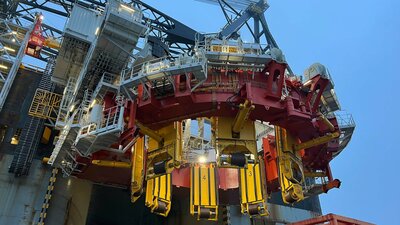
In close collaboration with Heerema, Ulstein Design & Solutions BV has provided engineering services for integrating the innovative motion-compensated gripper frame (MCGF) on Heerema Marine Contractors’ ‘SSCV Thialf’. This technology is key to efficiently installing large monopiles for offshore wind farms, driving progress in the renewable energy sector. The semi-submersible crane vessel is essential in advancing offshore wind technology, aiding the construction of future wind farms essential for the global energy transition.

The Offshore Oil & Gas (OO&G) sector is experiencing a resurgence, driven by stable oil prices and a focus on efficiency and sustainability. This recovery has led to robust cash flows and new investments, especially in upstream activities, presenting an opportunity to integrate environmentally friendly practices.

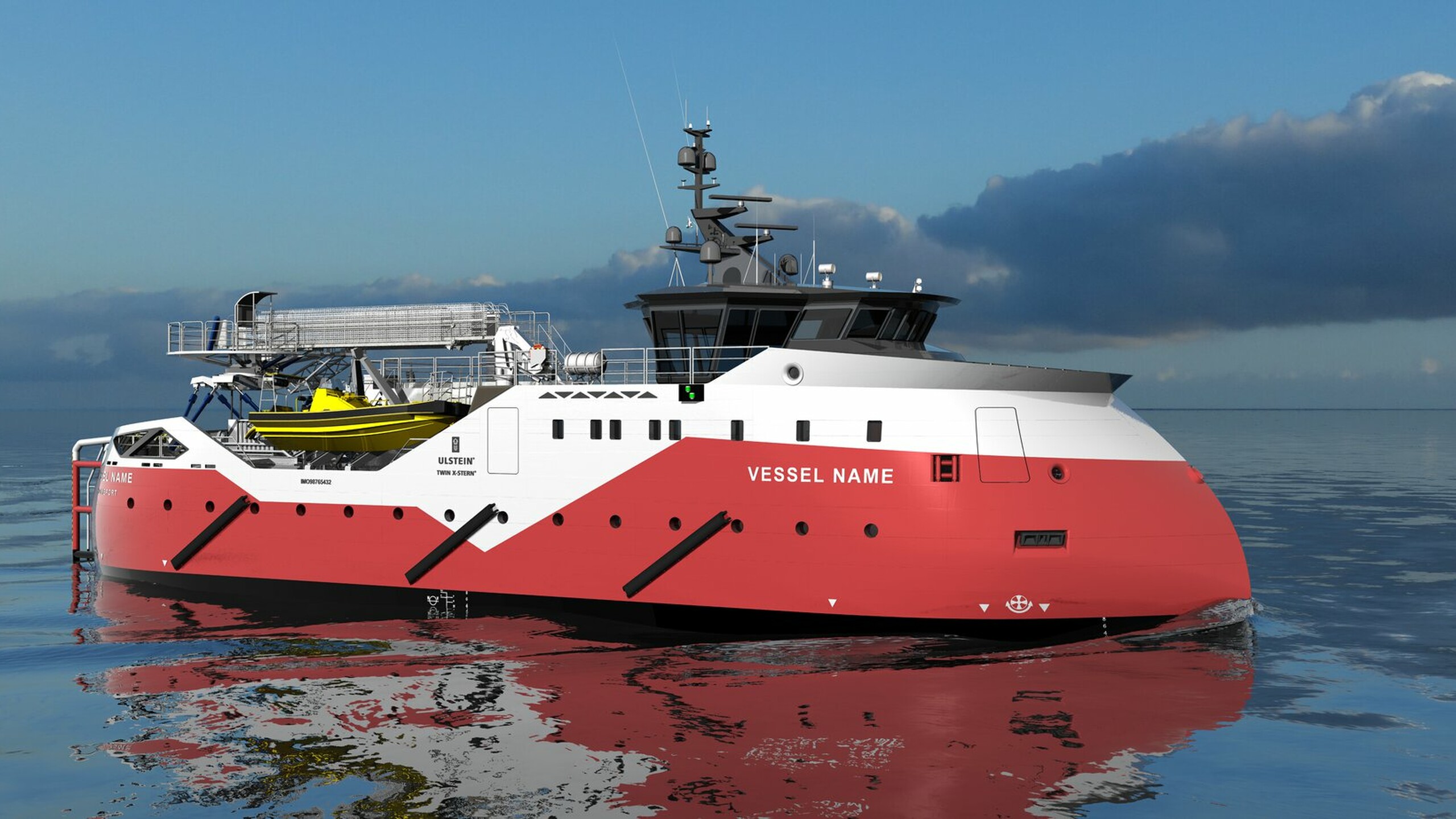
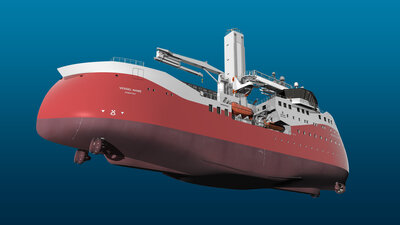
Aptly nicknamed ‘A 4-wheel-drive for the seas’, the ULSTEIN TWIN X-STERN is celebrated for its exceptional manoeuvrability. To date, this innovative feature has been incorporated into ten newbuilds, all designed for the walk-to-work market and measuring up to 90m in length. The next likely segments to adopt the TWIN X-STERN are subsea and cable-laying.

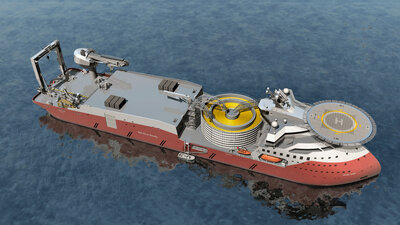
In the vast expanse of offshore wind energy, cable-laying vessels are essential—the silent architects of our renewable future. As wind farms grow larger and more ambitious, the demand for efficient cable installations has intensified. Enter the ULSTEIN SX225, a vessel designed to tackle the challenges head-on.

The offshore vessel market is experiencing a surge of optimism thanks to high growth rates and the highest-ever backlog of major subsea EPC (Engineering, Procurement, and Construction) contractors.

On 19 January 2024, on the day four months after signing the shipbuilding contract, Nexans Marine Operations AS and Ulstein Verft could celebrate the start of the construction of Nexans’ next cable laying vessel. Attending the steel cutting ceremony at the Crist hull yard were representatives from Nexans, Ulstein Verft, DNV and Crist.