When rough seas steal time, X-BOW helps you keep it
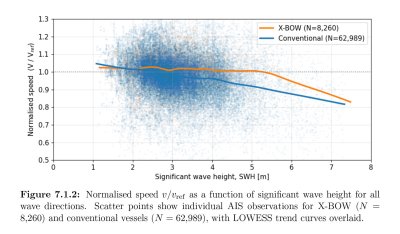
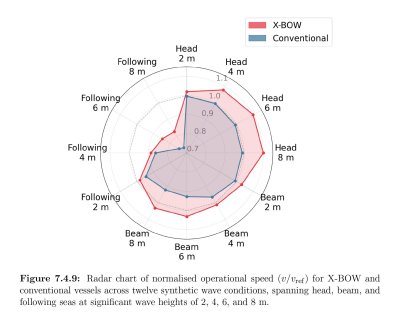
A 2026 master's thesis from NTNU (Norwegian University of Science and Technology) in Trondheim analysed AIS and weather data from more than 30 expedition cruise vessels and found that X-BOW® vessels generally retained transit speed longer in increasing sea states than comparable vessels with conventional bow designs.
The thesis, Performance Evaluation of Expedition Cruise Vessels in Harsh Environments, by O. Hoff and E. Holmsæter, indicates that conventional expedition vessels experience significant speed losses starting from significant wave heights of around 2.5 metres. The X-BOW vessels tended to maintain more stable transit speeds until wave heights exceeded five metres.
Why does it matter?
For operators, the value extends beyond guest comfort. Maintaining transit speed for longer can improve schedule robustness and provide greater flexibility when weather conditions change.
In expedition cruising, time saving during a crossing can be converted into time at the destination. This may create more opportunities for landings, excursions and wildlife experiences while helping operators preserve the intended itinerary.
Why X-BOW retains speed
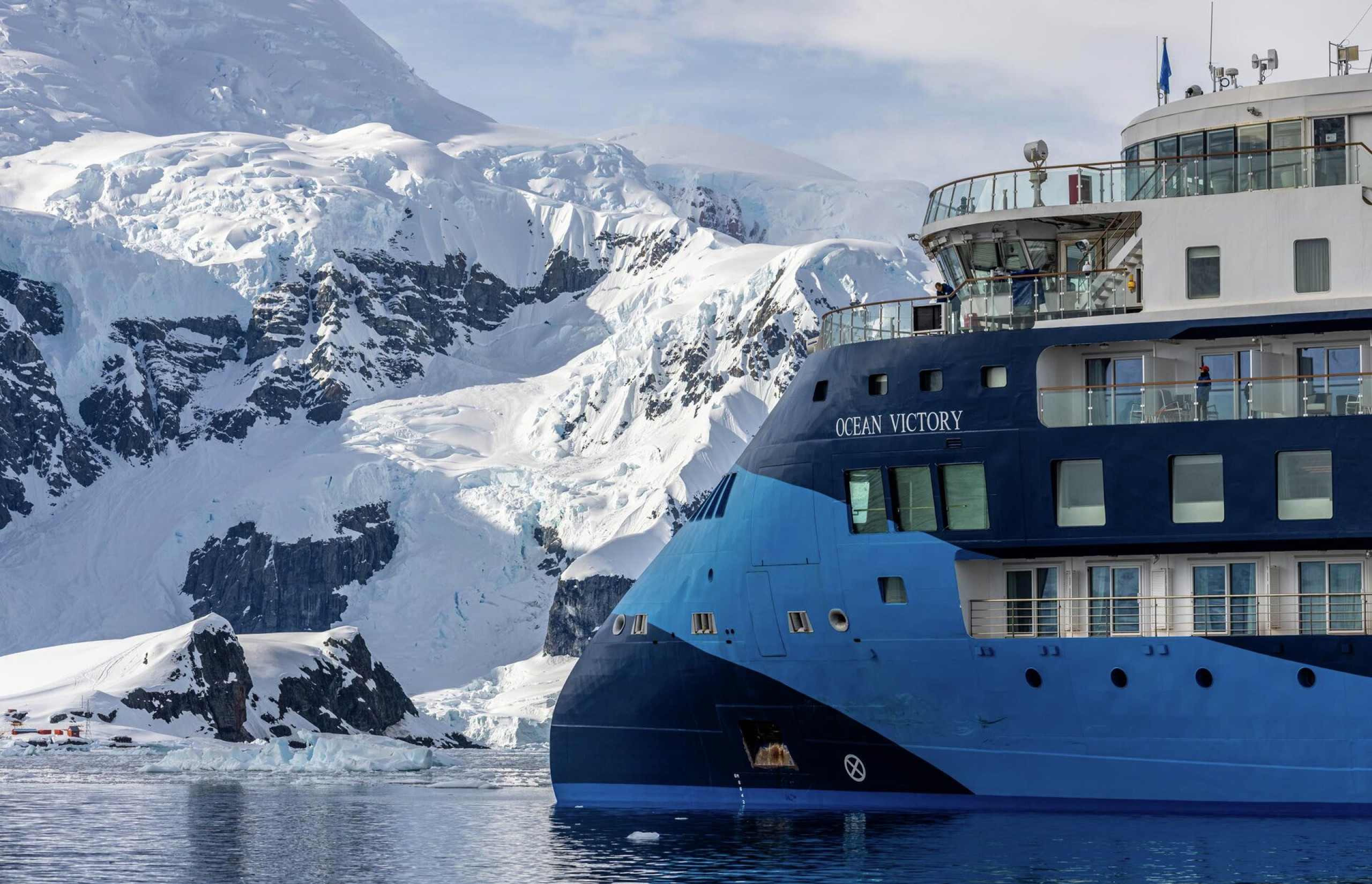
The X-BOW was developed to reduce wave impact, slamming and vertical accelerations in rough seas. By cutting through waves more smoothly, the design reduces the forces acting on the vessel in head seas, improving comfort and operability in adverse conditions.
What operators are saying
The operational trends identified in the study closely align with feedback from captains and operators already sailing X-BOW expedition vessels.
Capt. Rodolfo Spinelli of SunStone Ship Management has noted that X-BOW vessels tend to experience significantly less slamming in head seas, thereby improving passenger comfort and operational efficiency.
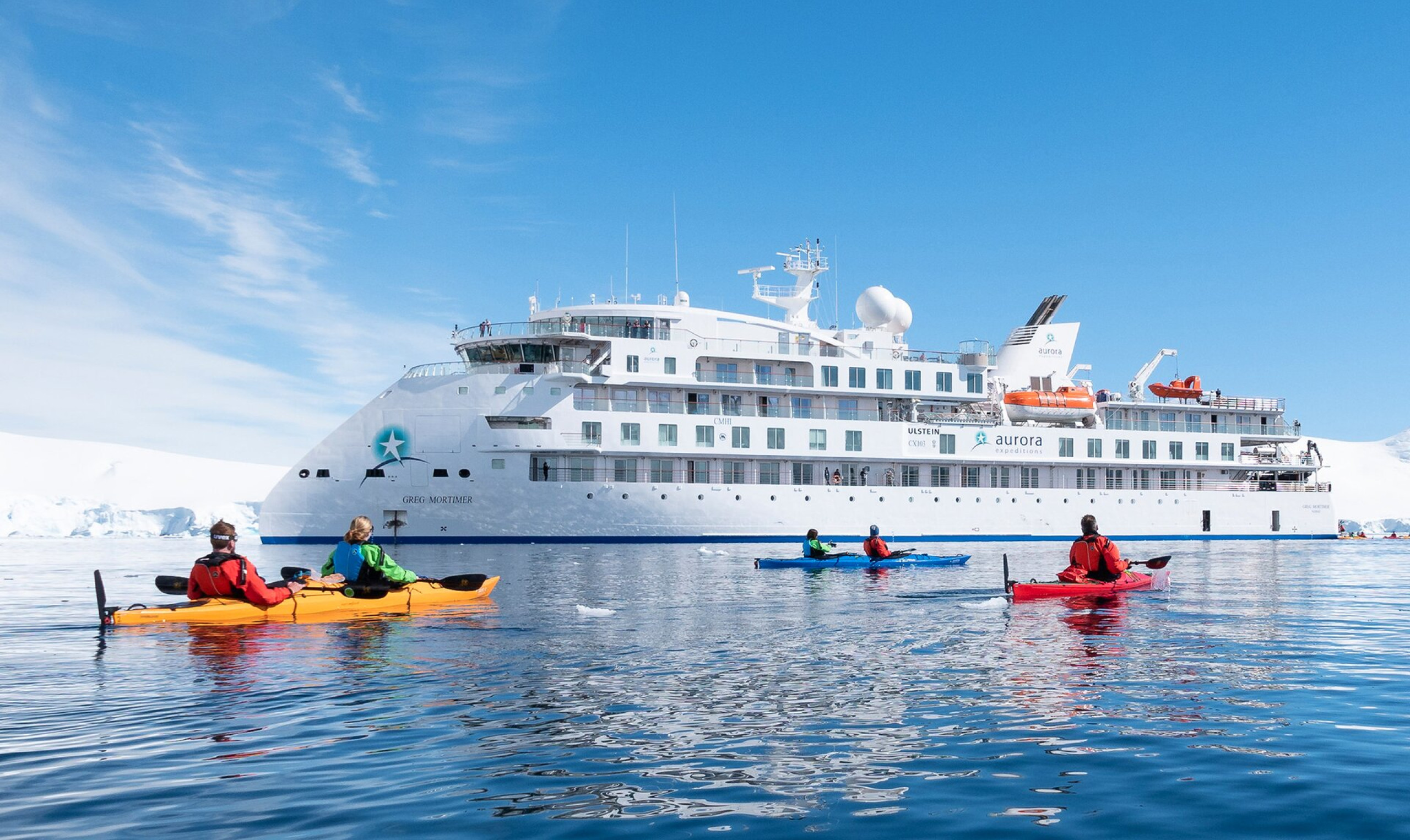
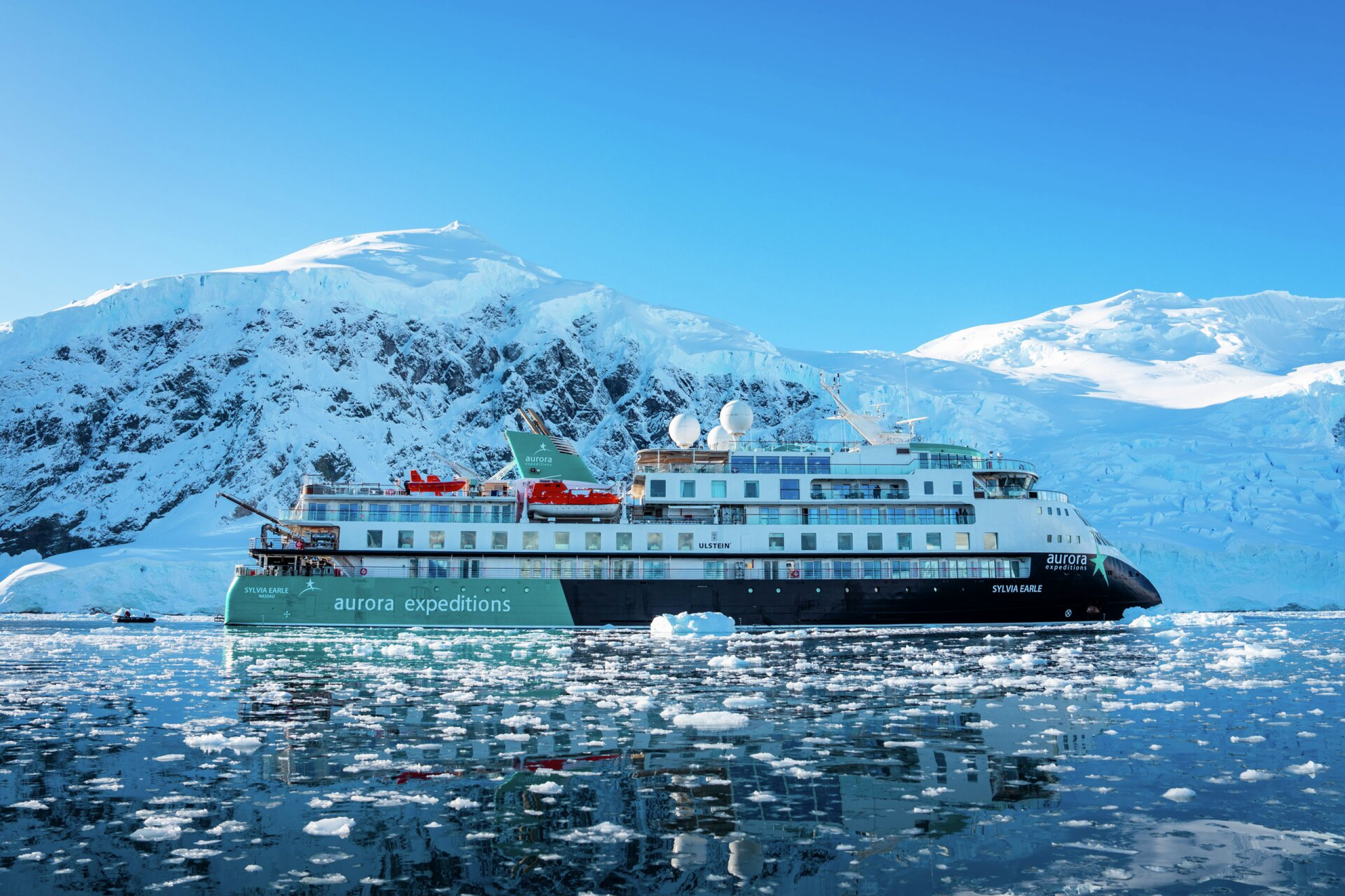
Aurora Expeditions highlights the X-BOW as a feature that helps make challenging crossings, including the Drake Passage, more manageable.
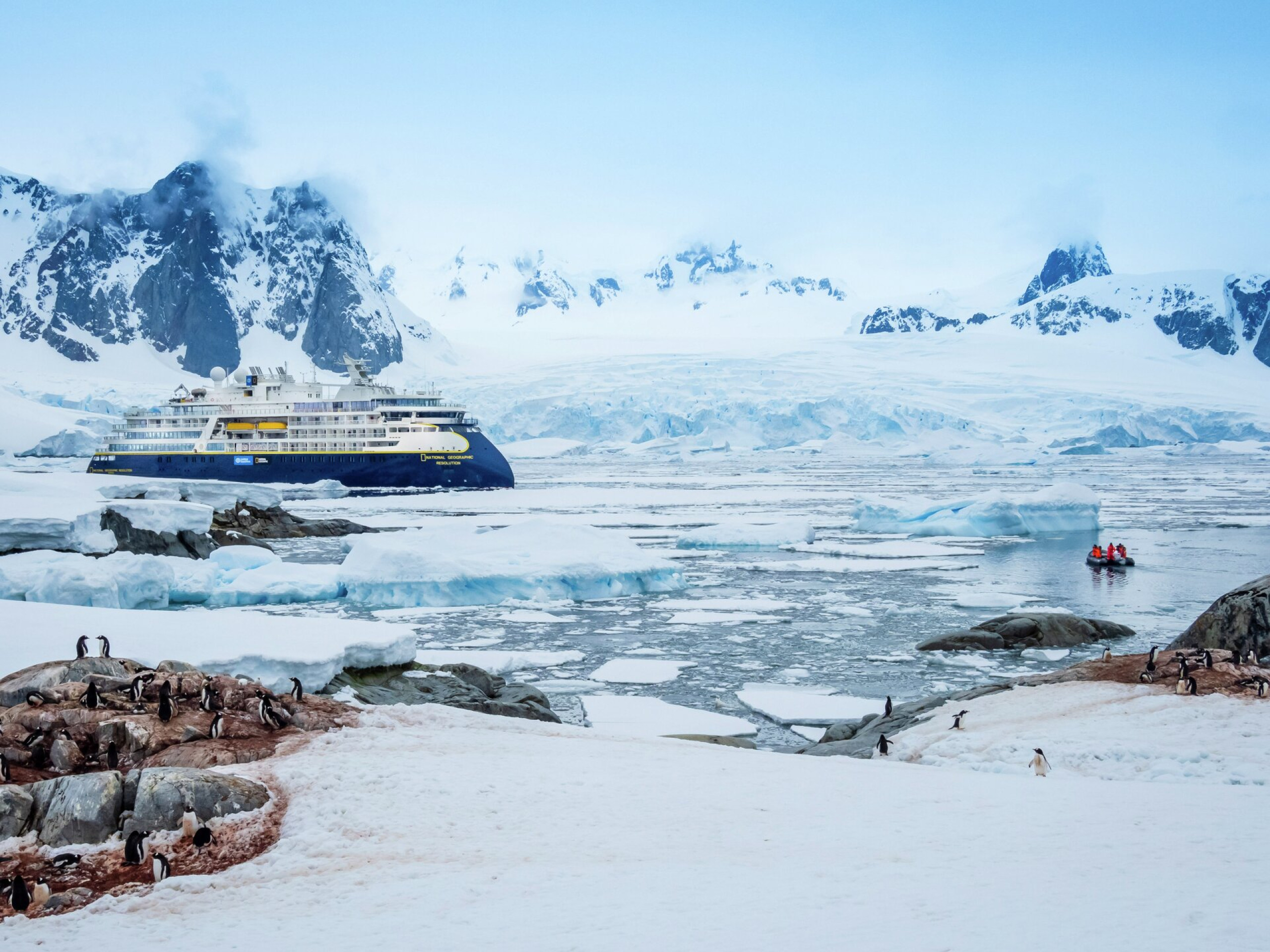
Similarly, Captain Martin Graser of Lindblad Expeditions has commented that speed is "considerably less impacted in head-on seas" on board the X-BOW-equipped National Geographic Resolution, adding that "the Drake Passage is a much less dreadful place now".
These observations reinforce the operational trend identified in the data: as conditions become more challenging, operators report that X-BOW vessels can maintain performance while supporting a more predictable expedition programme.
When comfort becomes operational performance
For years, the discussion around X-BOW has largely focused on passenger comfort.
Comfort remains important. However, the data and operational experience increasingly point towards a broader benefit: operational performance.
By reducing the impact of rough weather, X-BOW may help operators deliver more reliable itineraries and preserve planned activities. In expedition cruising, that resilience represents value far beyond comfort.
Expedition cruise ship designs
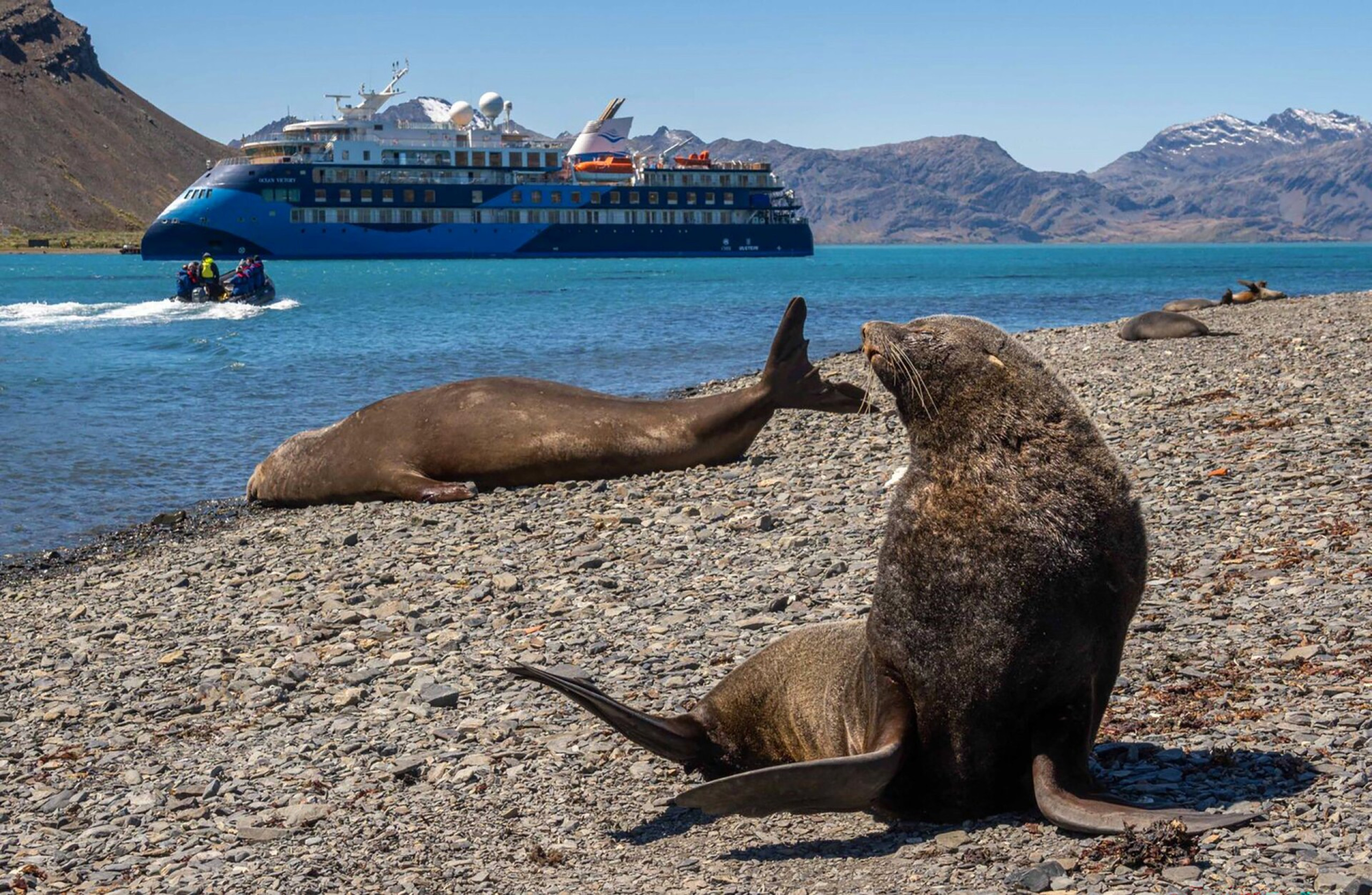
See our portfolio of designs for the exploration cruise segment. Our thorough marketing and design concept analyses make a solid foundation for developing outstanding adventures and performances in an ever more competitive market.