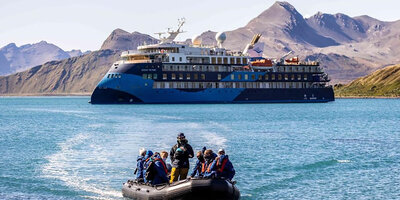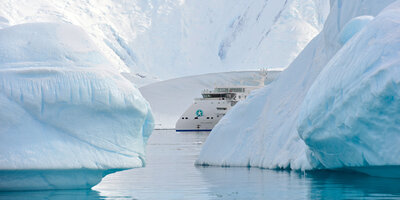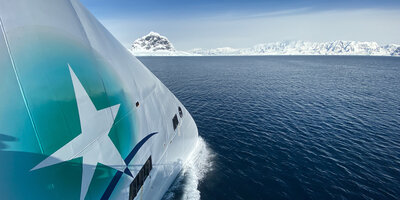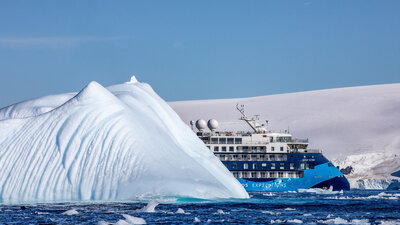
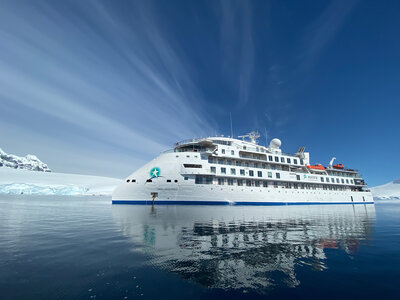
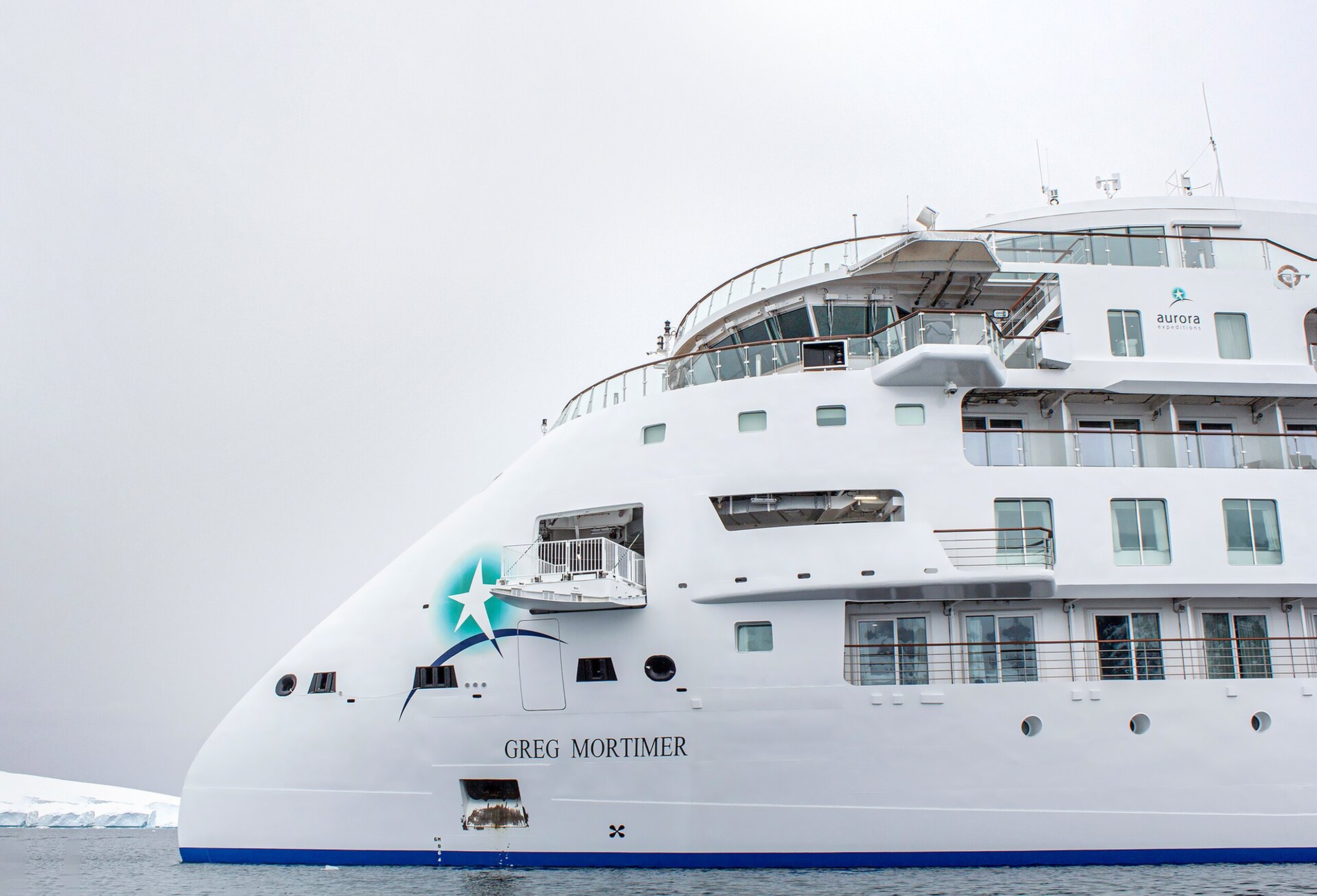
As the first cruise vessel to feature the ULSTEIN X‑BOW®, 'Greg Mortimer' introduced offshore‑grade seakeeping technology to the world of passenger cruising. What was once a bold design choice has since become a recognised advantage in expedition cruising, where comfort, safety and operational reliability are essential.
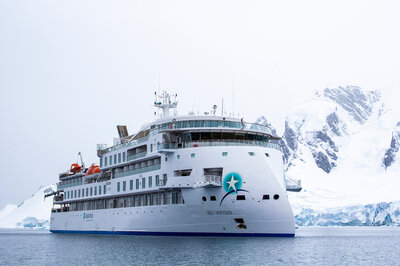
The X‑BOW® reduces slamming, softens motions in head seas and minimises vibration, contributing to a more stable and comfortable crossing. Combined with stabiliser fins for beam seas, the vessel offers a level of comfort that supports both guest well‑being and onboard operations.
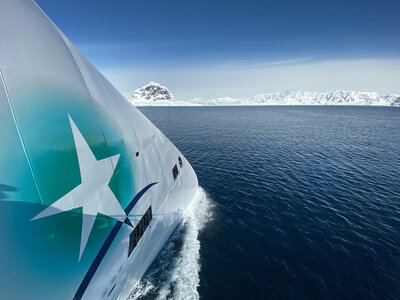
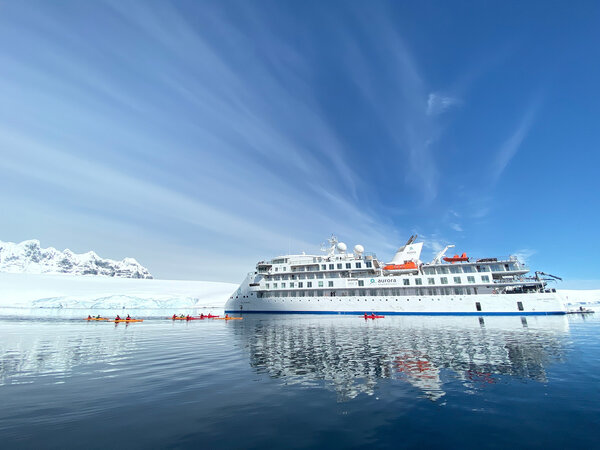
Designed to operate in some of the world’s most demanding waters, 'Greg Mortimer' regularly crosses exposed ocean passages such as the Drake Passage en route to Antarctica. Here, wave systems from multiple directions and rapidly changing weather conditions put both vessel and design to the test.
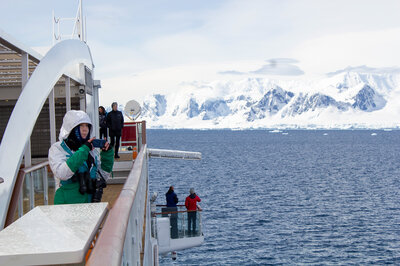
Over the years, Greg Mortimer has received extensive attention in international cruise and travel media, not because of her distinctive appearance alone, but due to the tangible difference guests and crew experience at sea. While ship design cannot eliminate seasickness entirely, many passengers report that they cope better on board these vessels with their gentler motions and reduced vibration, a benefit that becomes especially clear on longer ocean crossings.
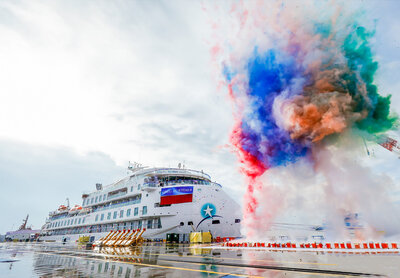
Built in China and developed through close collaboration with Norwegian designers and suppliers, the vessel represents a global effort rooted in Norwegian maritime expertise.
References
Today, the X‑BOW® has been implemented on more than 120 vessels across multiple segments, and 'Greg Mortimer' is widely recognised as the ship that brought this technology into expedition cruising. Rather than a one‑off innovation, she paved the way for a growing fleet of modern expedition cruise vessels designed with the same philosophy: enabling exploration of remote regions while offering guests a calmer, more comfortable and more enjoyable journey.
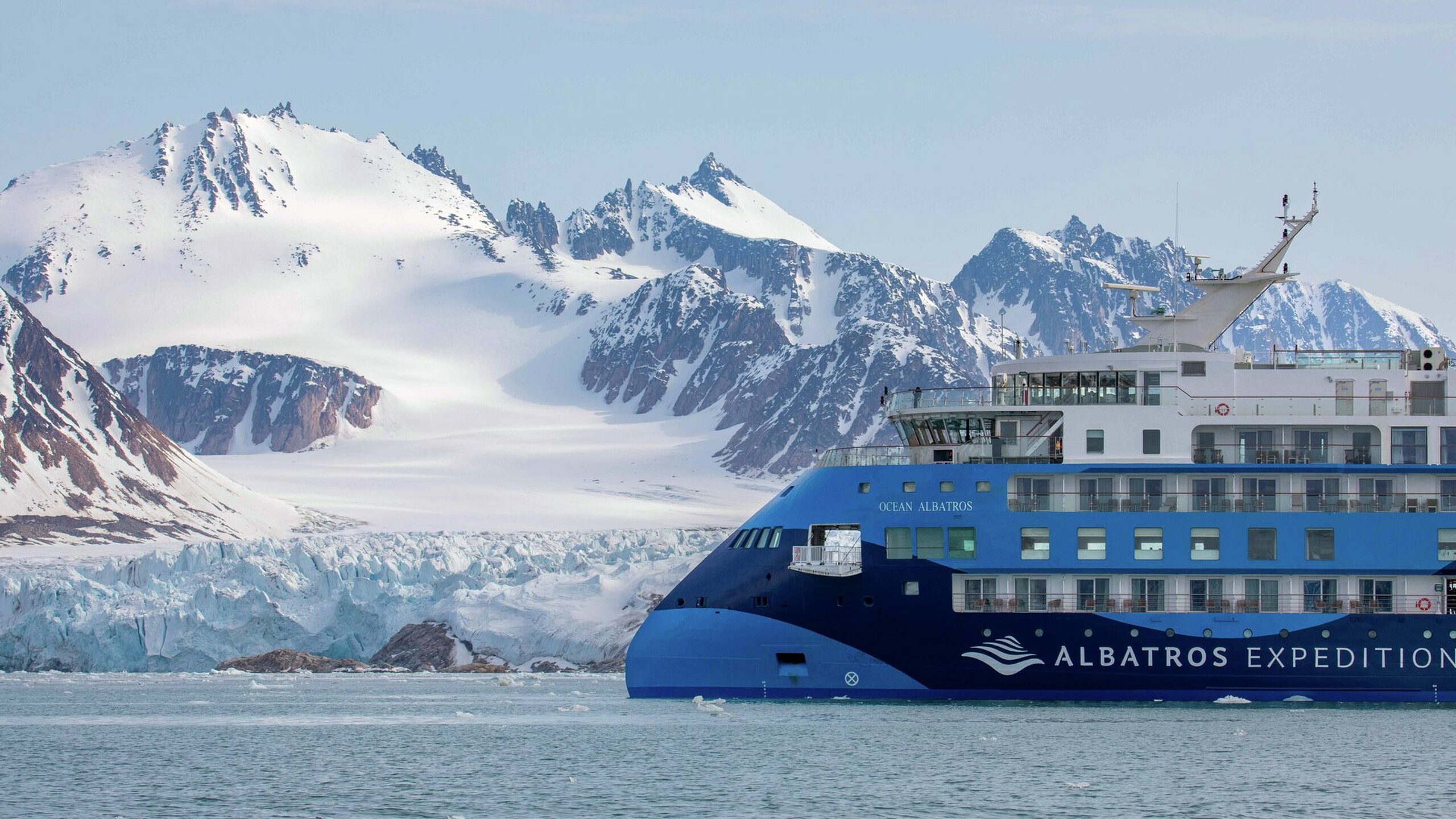
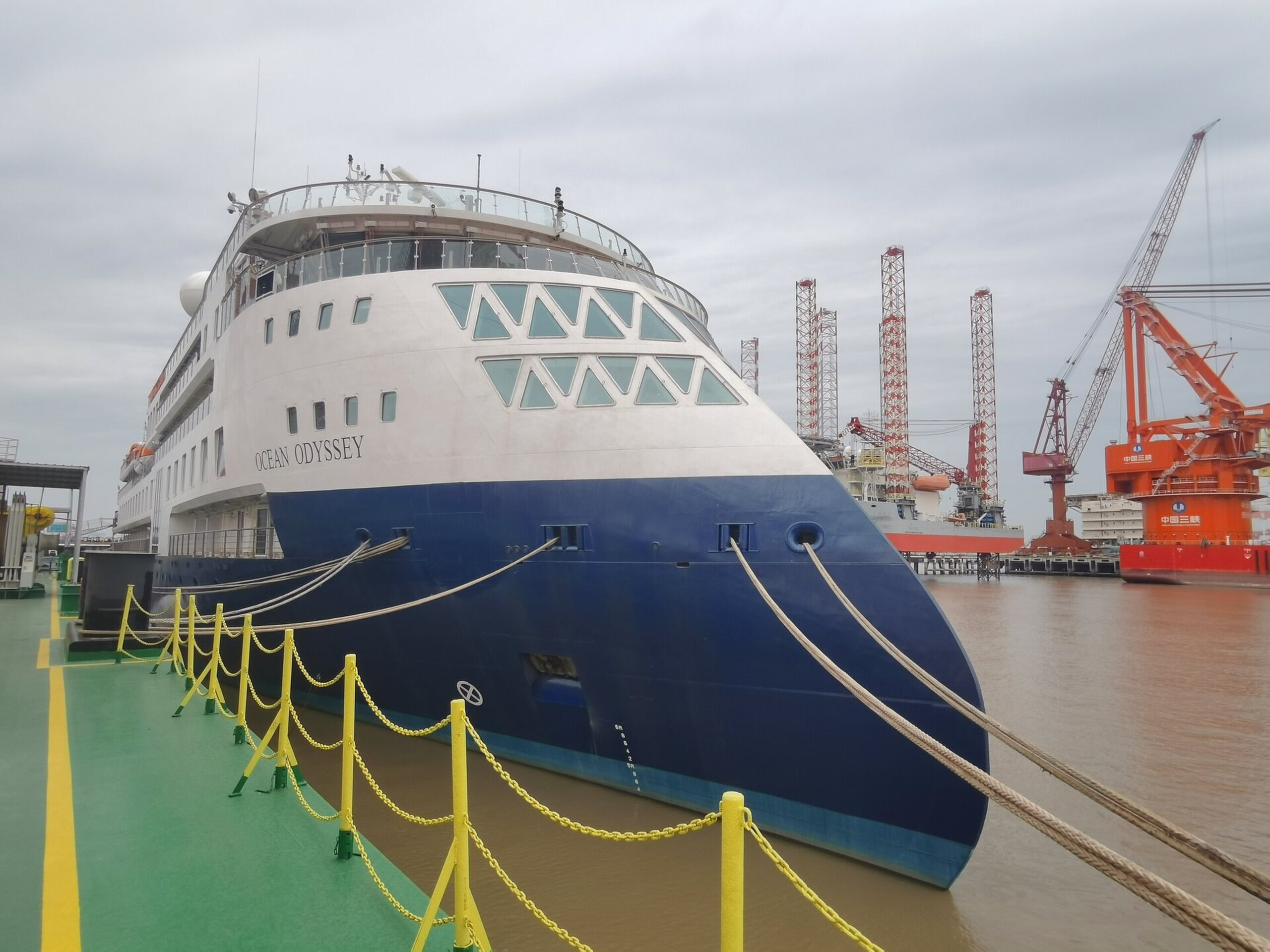
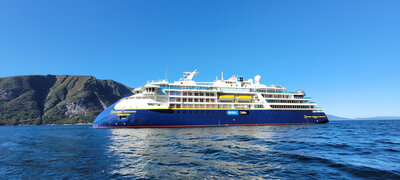
| Name | Yard Number | Built | Owner |
|---|---|---|---|
| 2019 | SunStone Ships Inc | ||
| 2022 | SunStone Ships Inc | ||
| 2021 | SunStone Ships Inc | ||
| 2025 | SunStone Ships Inc | ||
| 2022 | SunStone Ships Inc | ||
| 2022 | SunStone Ships Inc | ||
| 2021 | SunStone Ships Inc | ||
| 312 | 2020 | Lindblad Expeditions Holdings, Inc. | |
| 316 | 2021 | Lindblad Expeditions Holdings, Inc. |

Cruise
Ulstein's expedition cruise ship designs have been developed to meet the needs of modern explorers and travellers. Our vessels meet the highest seakeeping standards, and our designs can be customised to any customer-specific requirements.
SunStone's Chinese-built expedition cruise vessels
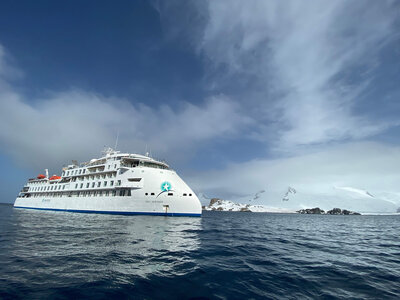
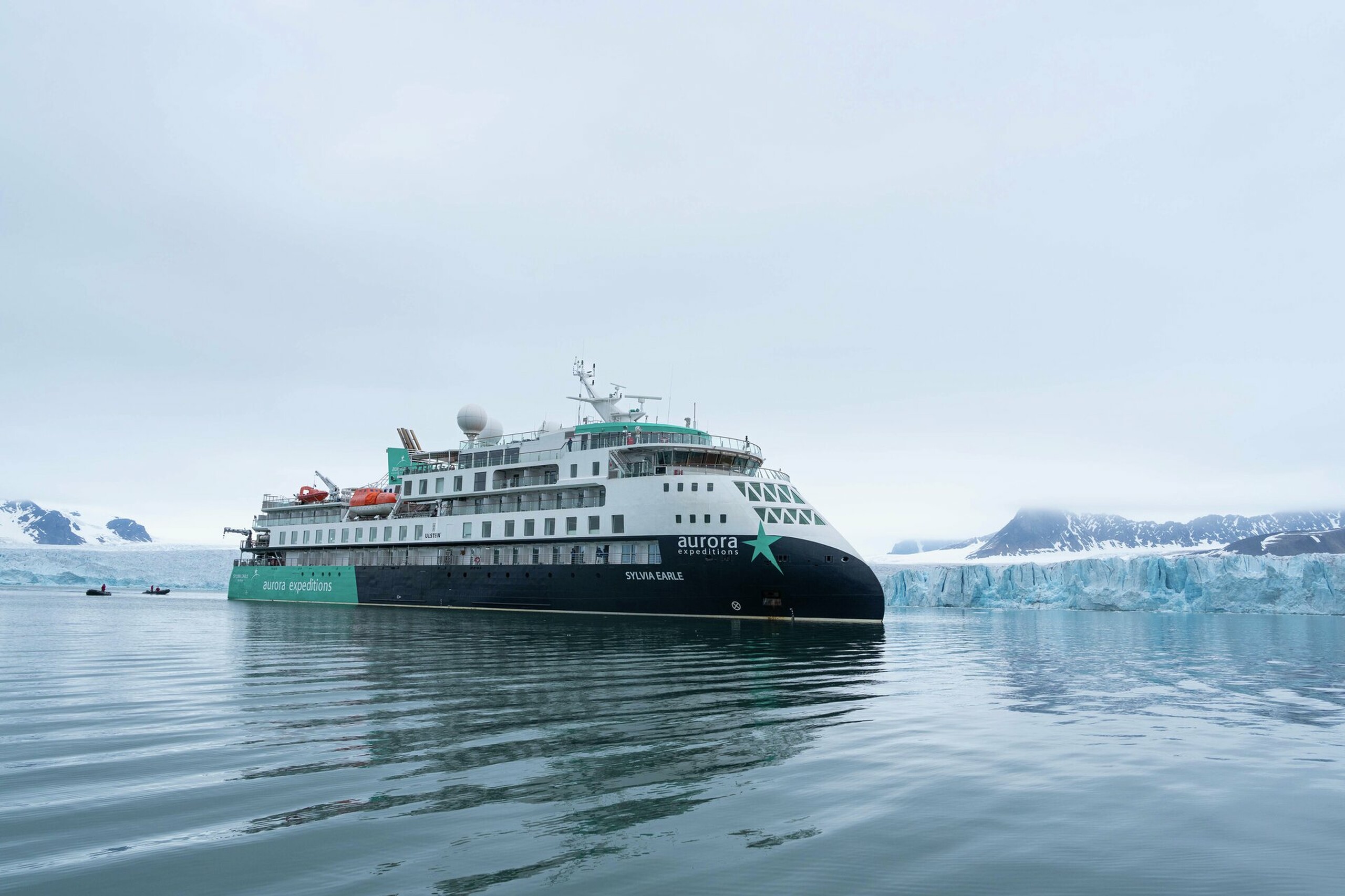
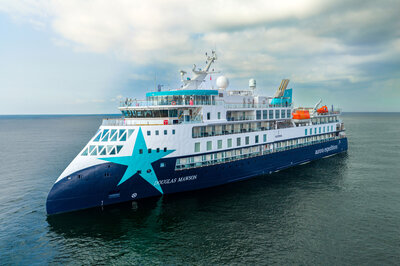
Designed by Ulstein and built at CMHI in China, the INFINITY Class expedition cruise vessels are purpose-built for small-scale, high-comfort exploration. With seven vessels delivered, most recently Douglas Mawson in September 2025, the series demonstrates how proven design, serial shipbuilding and operational feedback deliver long-term value for expedition cruise operators.
The X-BOW® experience
Proven on more than 120 ships, this hull shape is transforming expedition cruising through superior
performance and comfort.