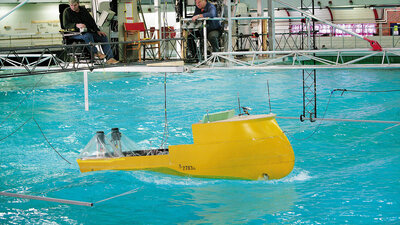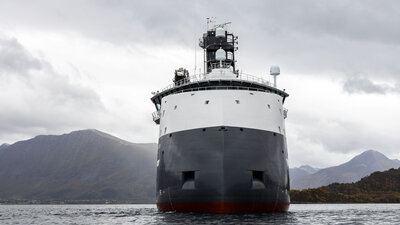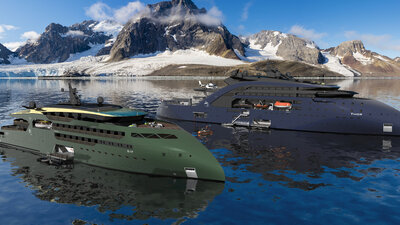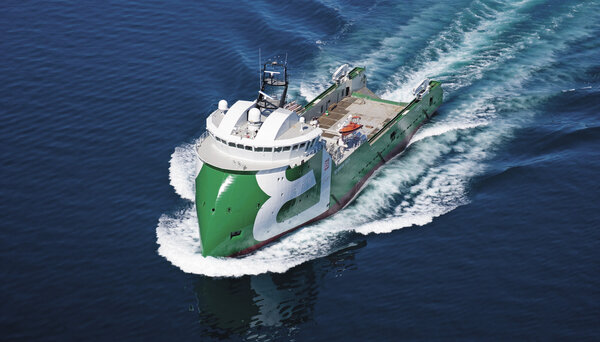
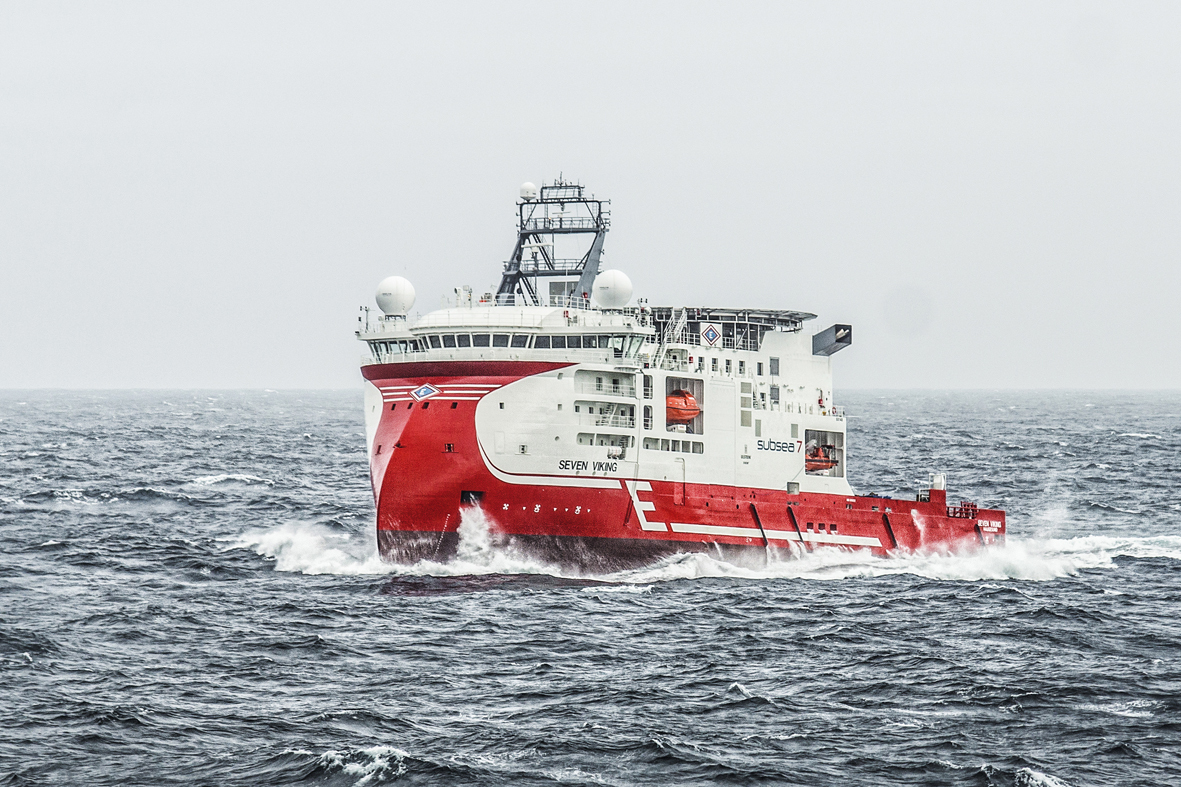
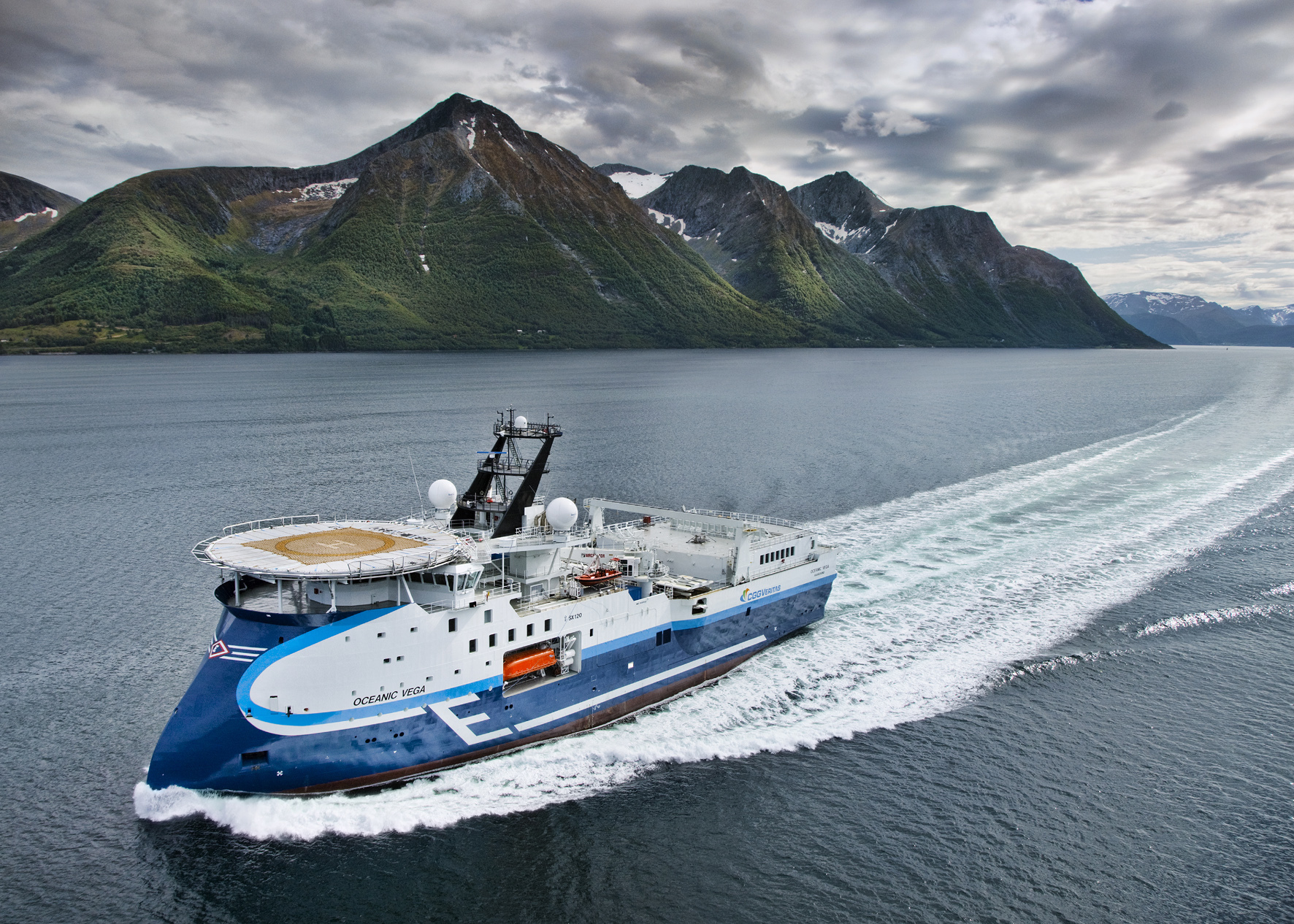
 The 'Seven Viking' subsea vessel, photo: Christian Romberg
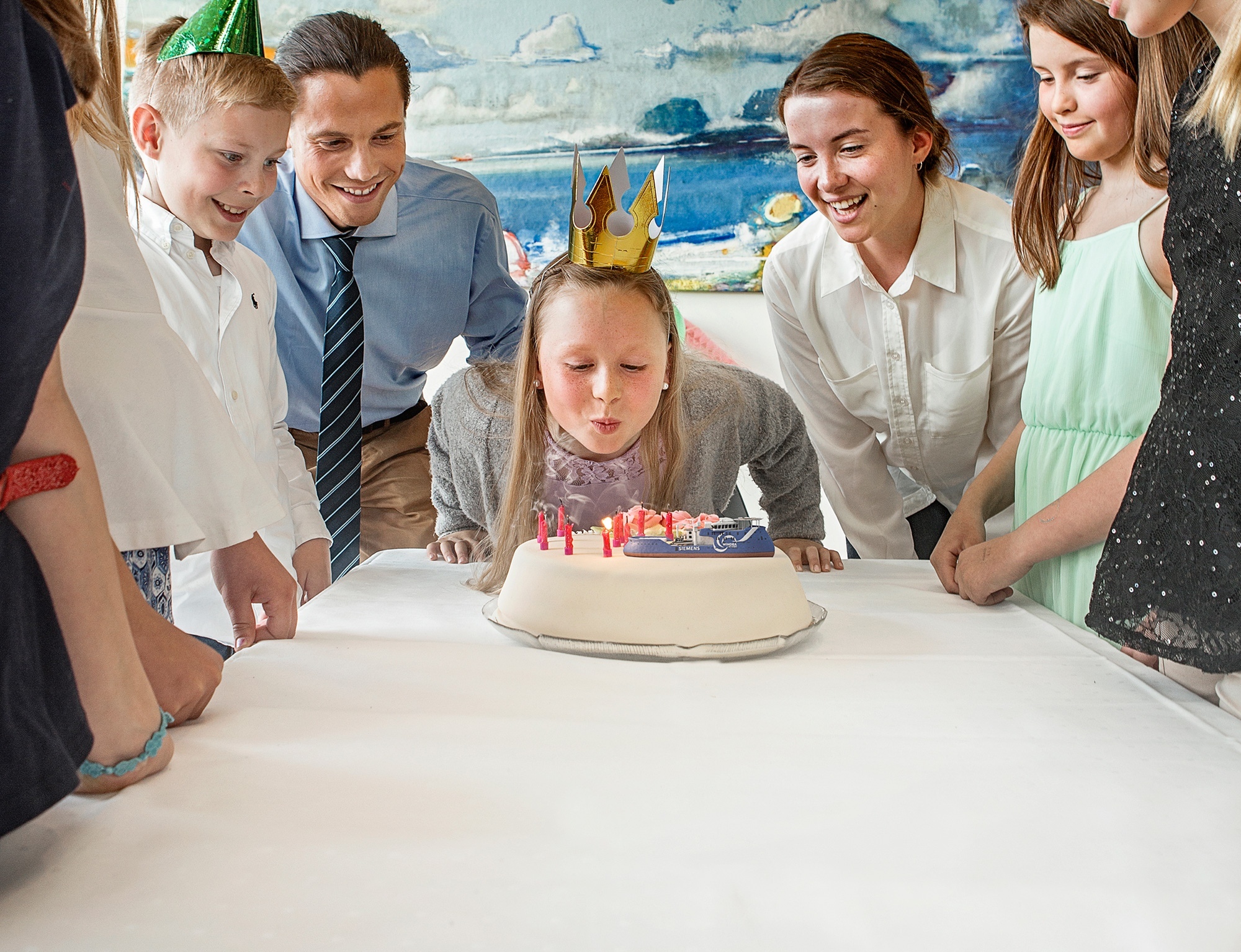
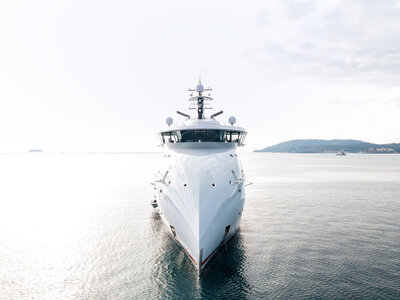
 10-year celebration photo of the ULSTEIN X-BOW, photo by Marius Beck Dahle.
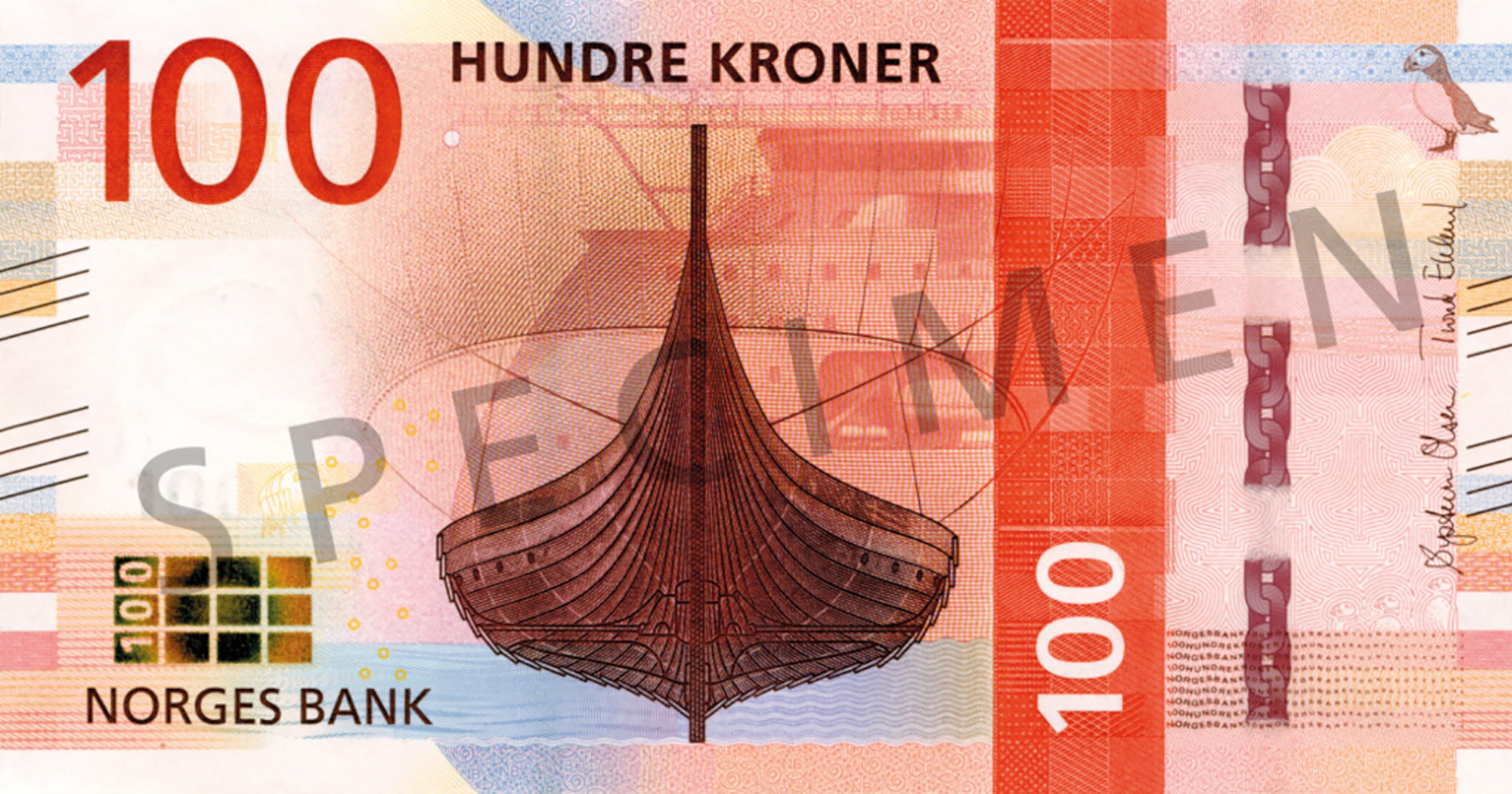
 A viking ship (front) and an X-BOW subsea vessel (behind) are joined together in the NOK 100 note, in the new series of Norwegian Krone notes taken in use from 2017.
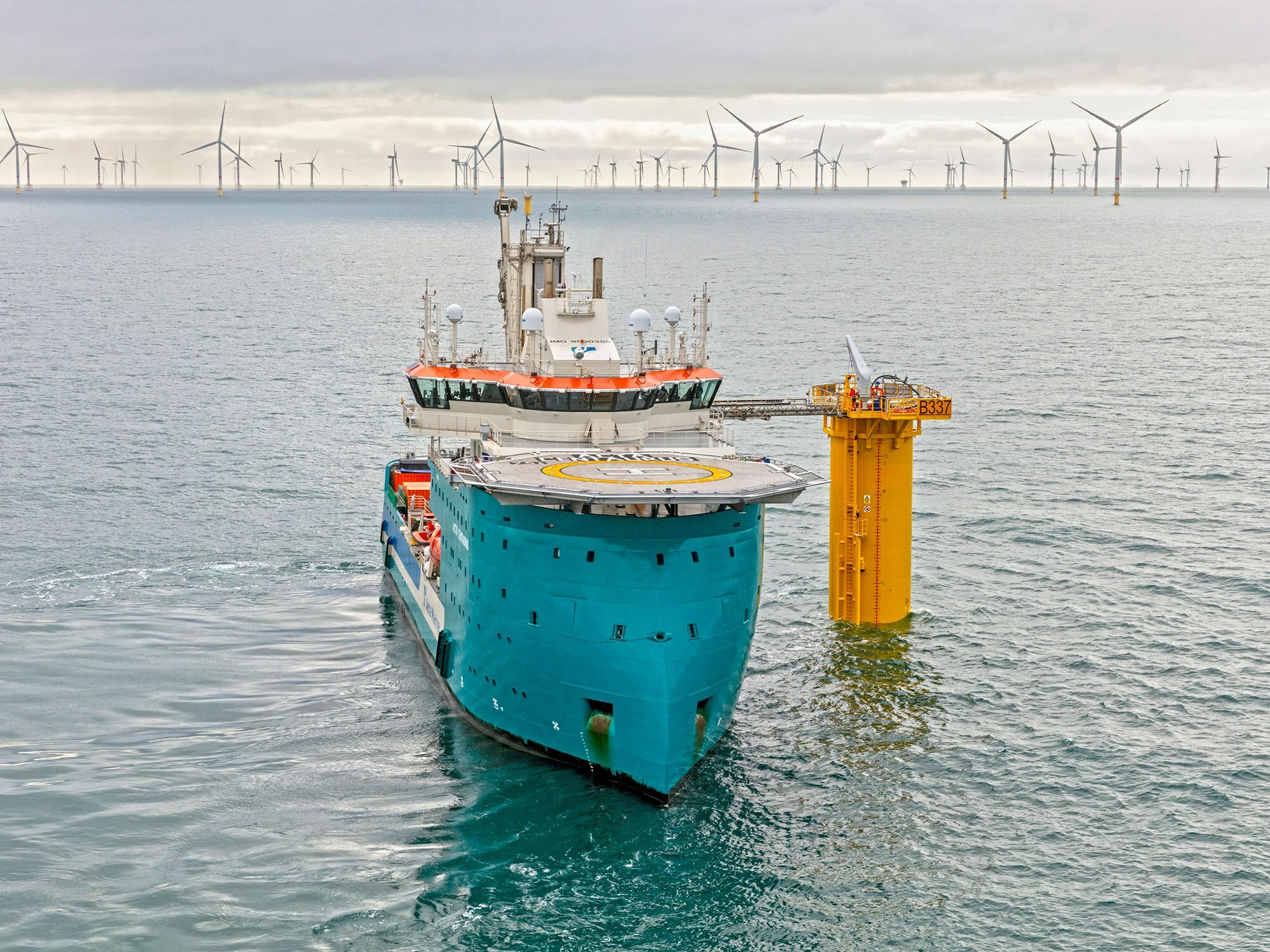
 One of the Ulstein-designed CSOVs for Acta Marine, the Acta Centaurus, at work in an offshore wind park. Photo: Flying Focus.
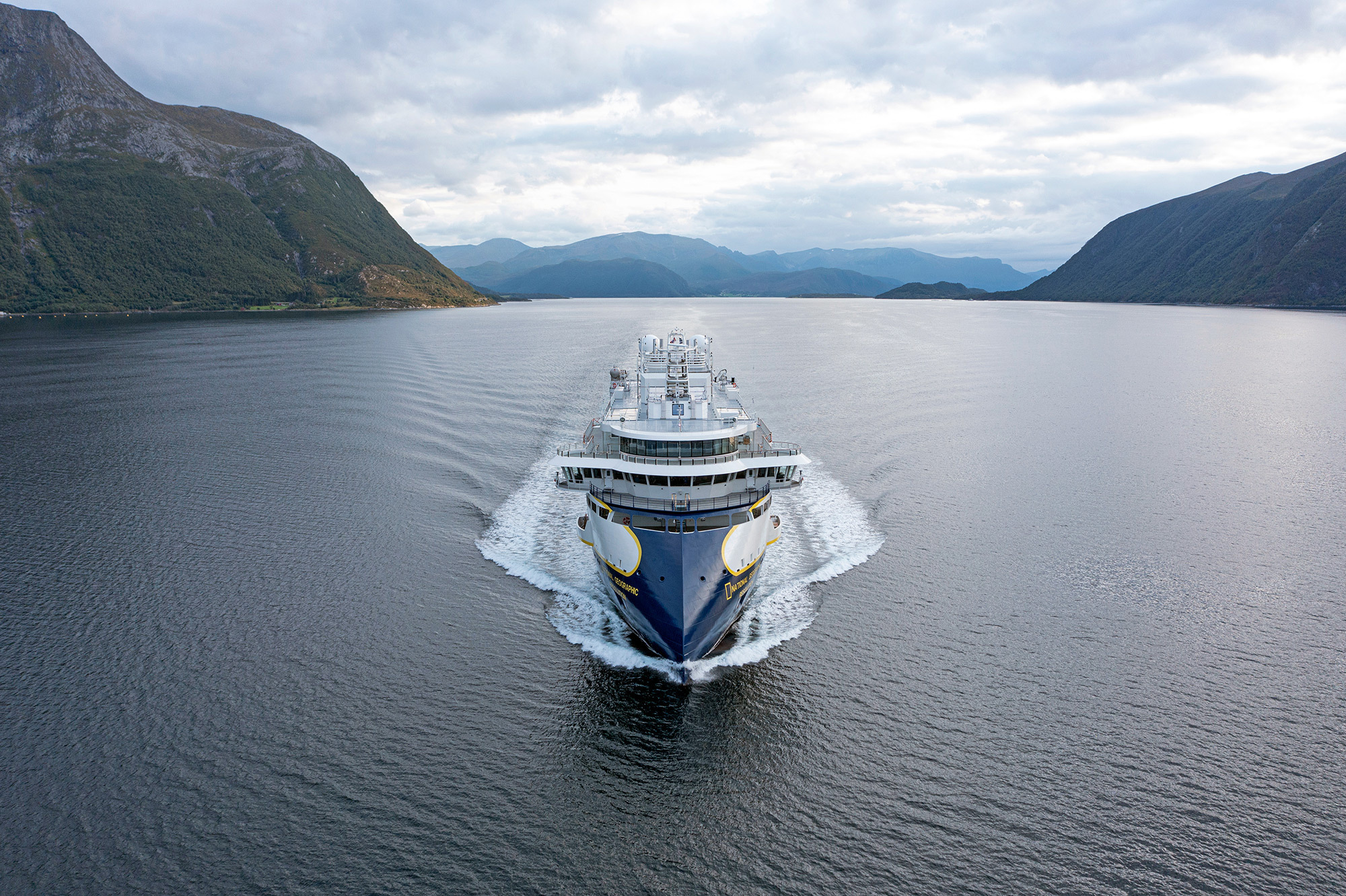
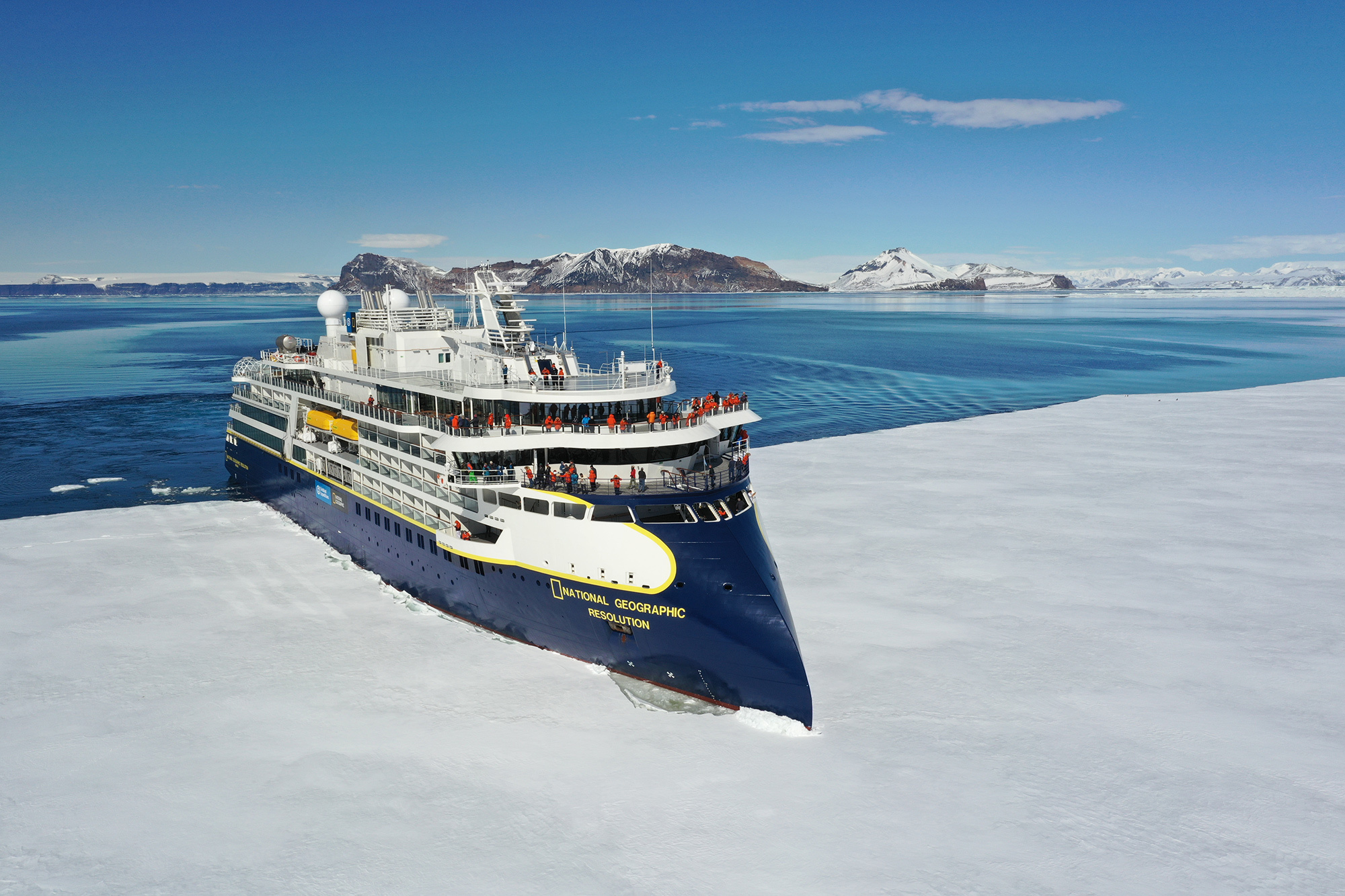
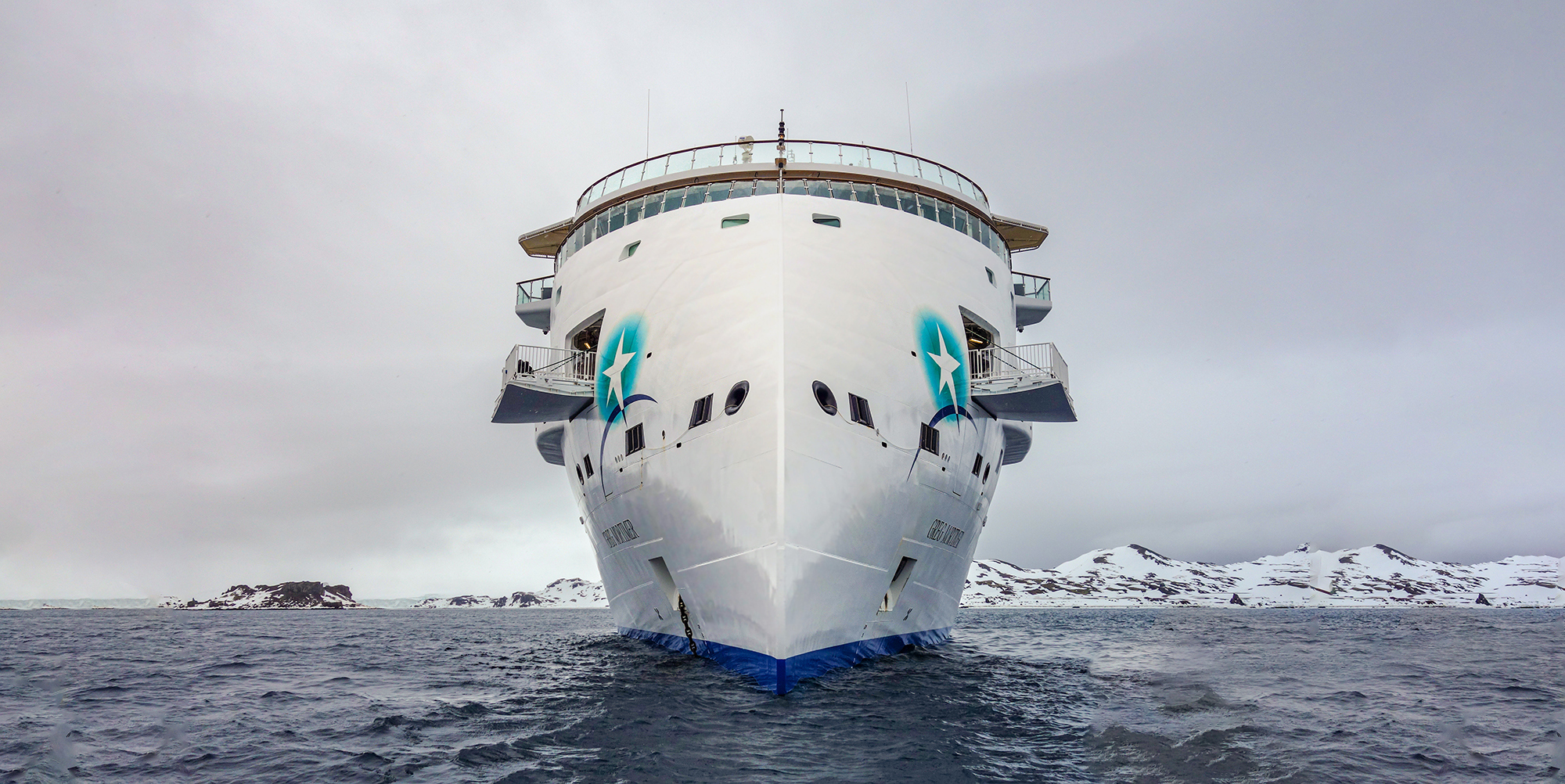
- The expedition cruise vessel 'National Geographic Resolution' in Antarctica, photo: Lindblad Expeditions/Sarah Culler.

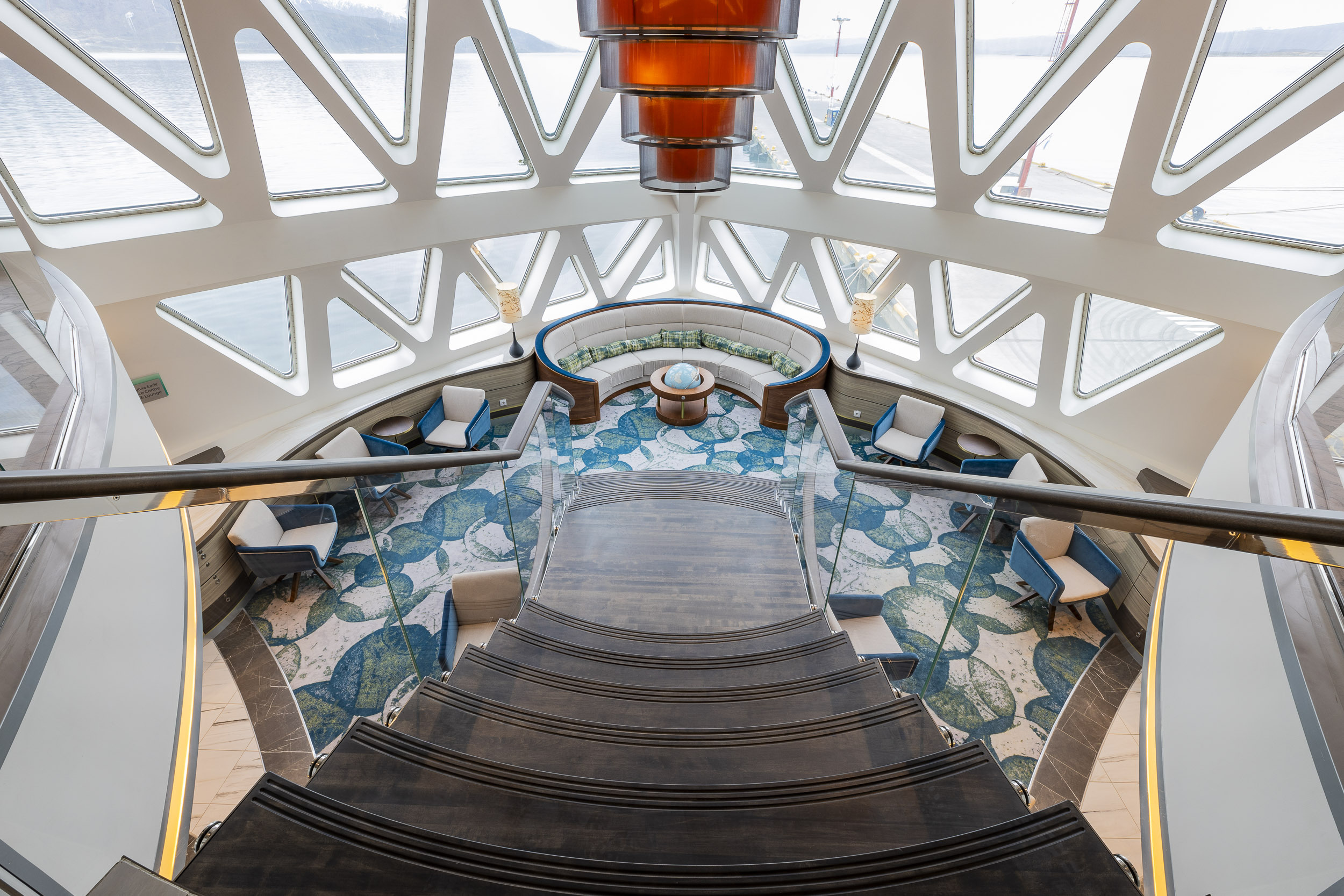
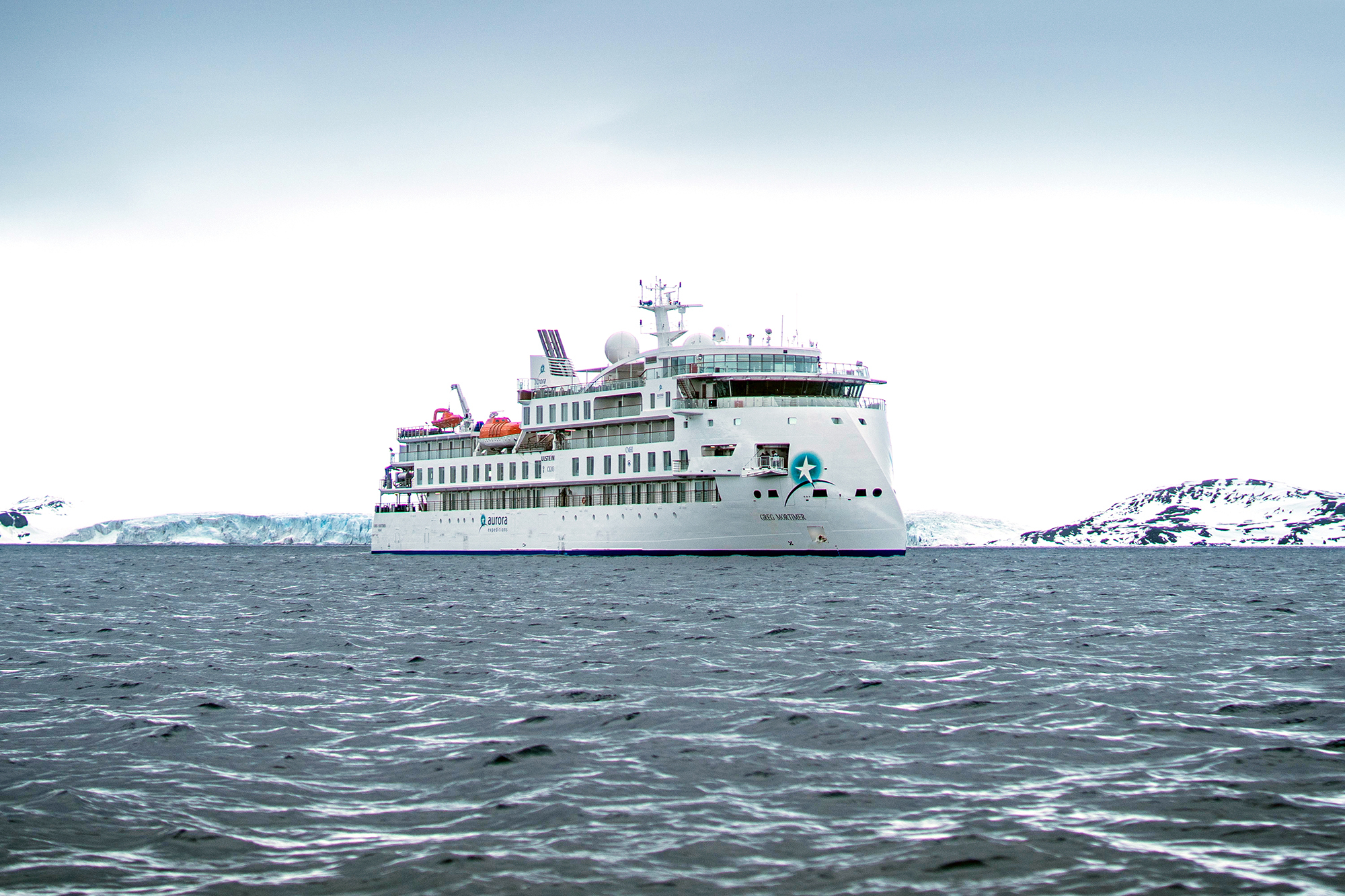
 "On the Greg Mortimer, we tried out one of the hydraulic viewing platforms that extend and gave us a unique perspective of the ship."
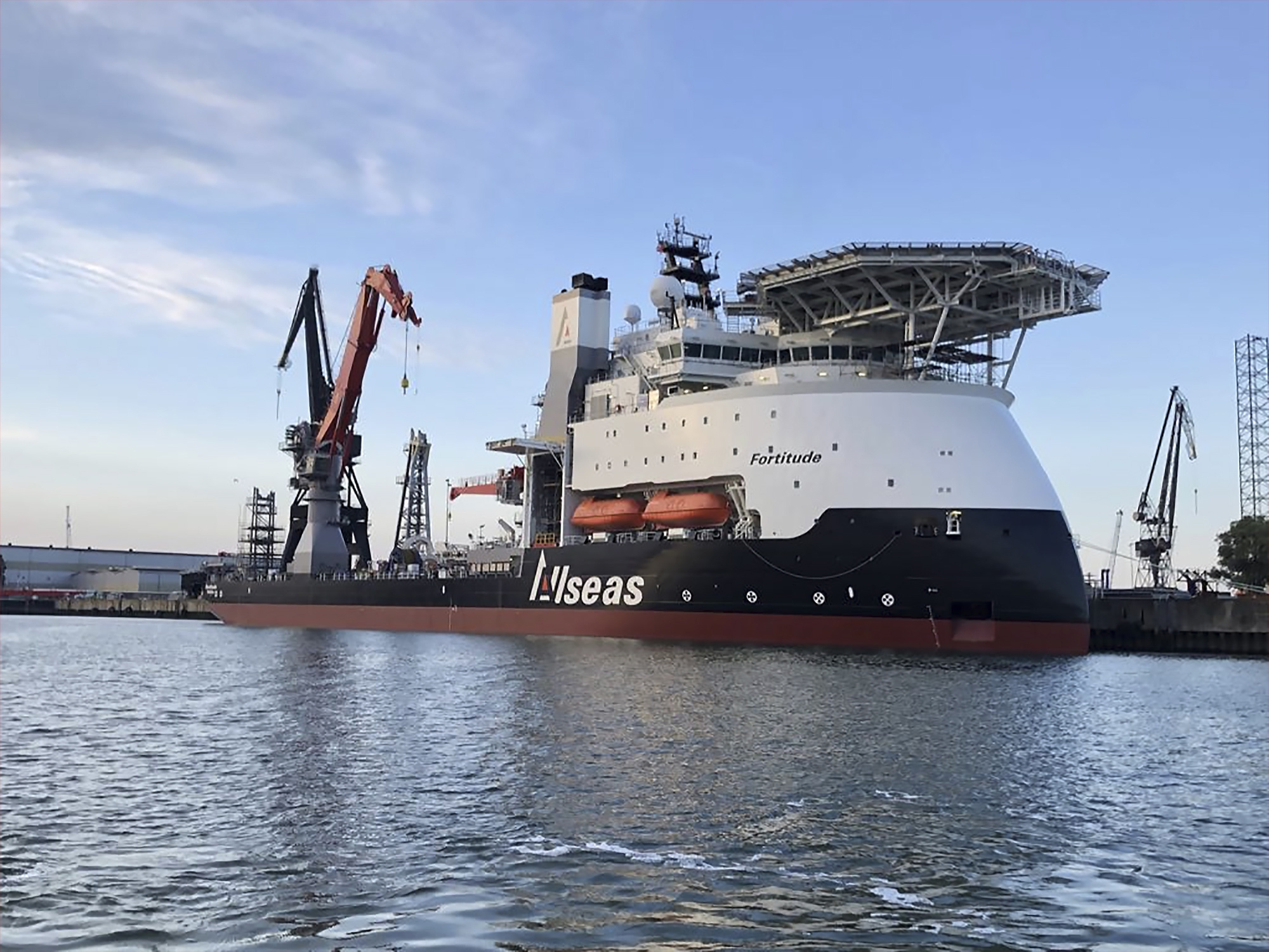
- The multipurpose offshore construction vessel Fortitude of the ULSTEIN HX102 design has a main crane capacity of 900 tonnes.
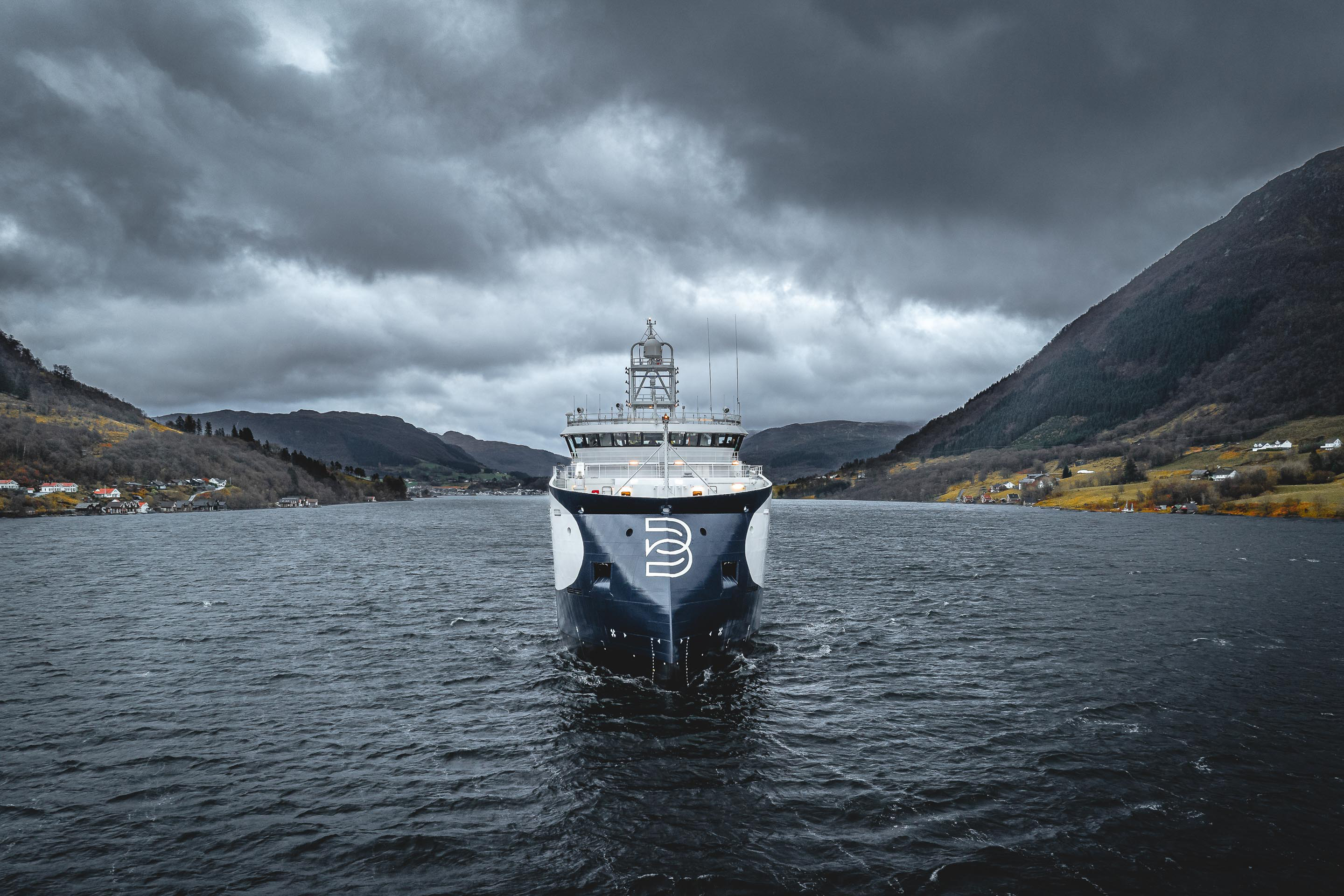
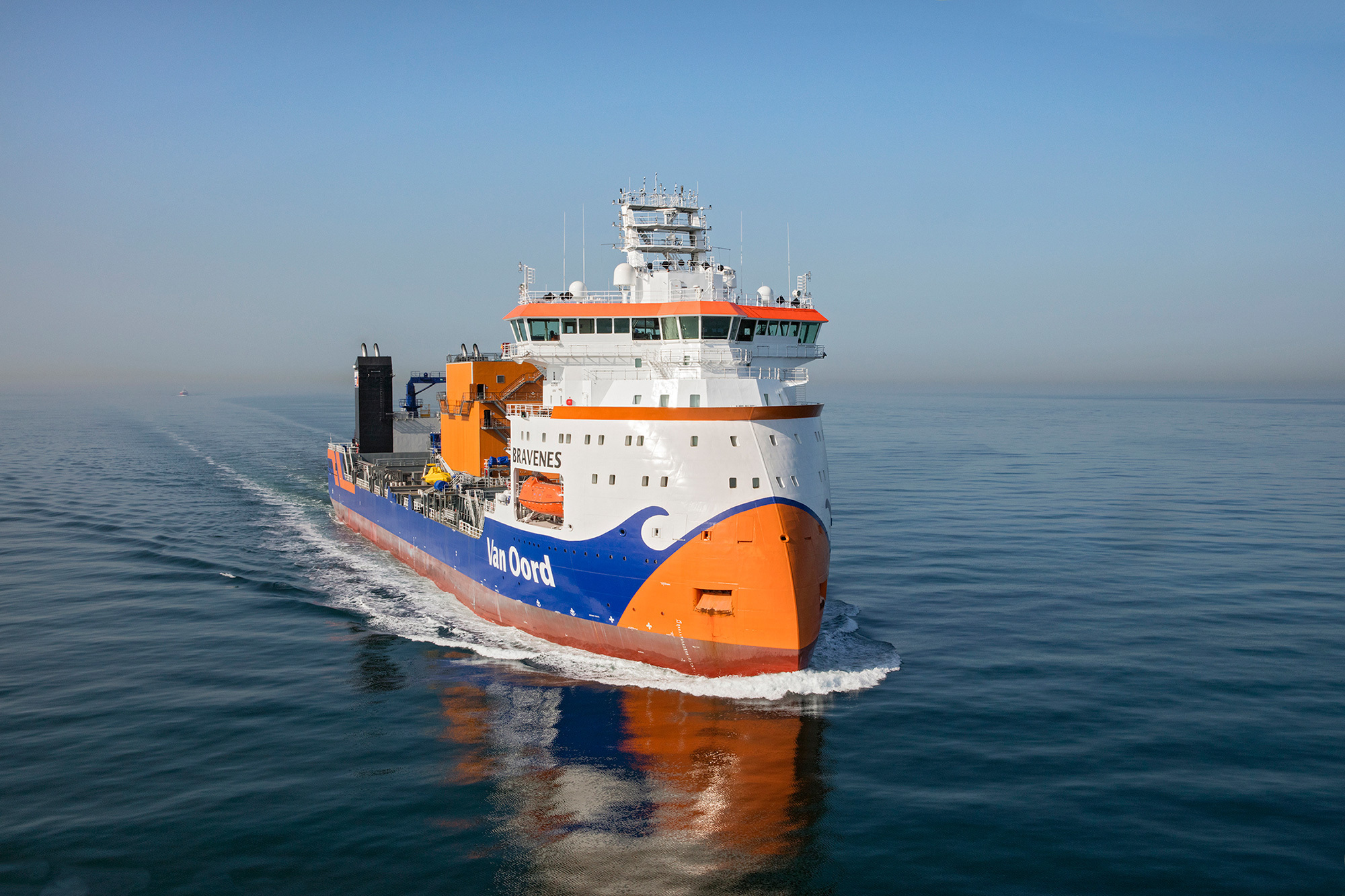
- The subsea rock installation vessel 'Bravenes', designed by Ulstein for Van Oord.


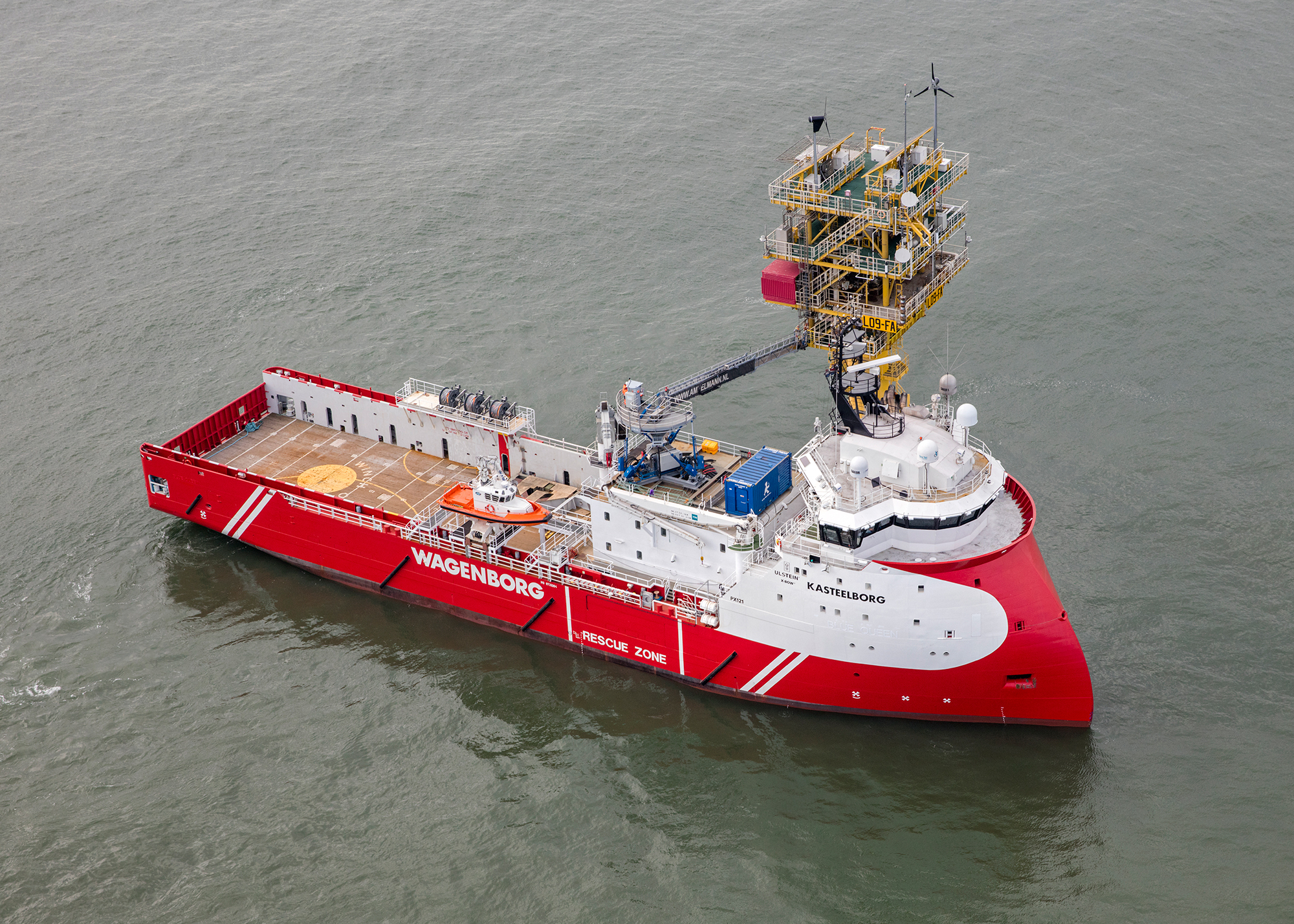
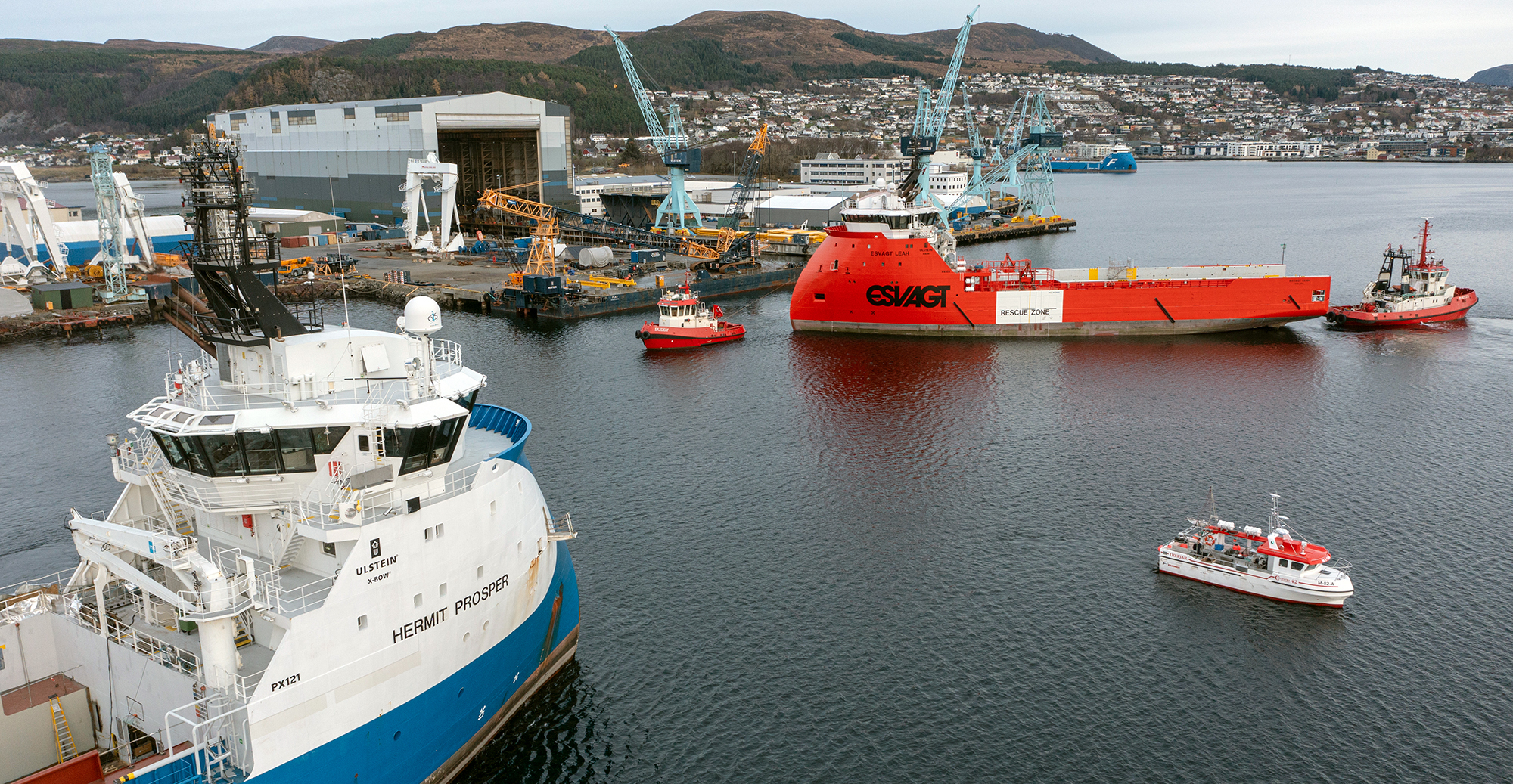
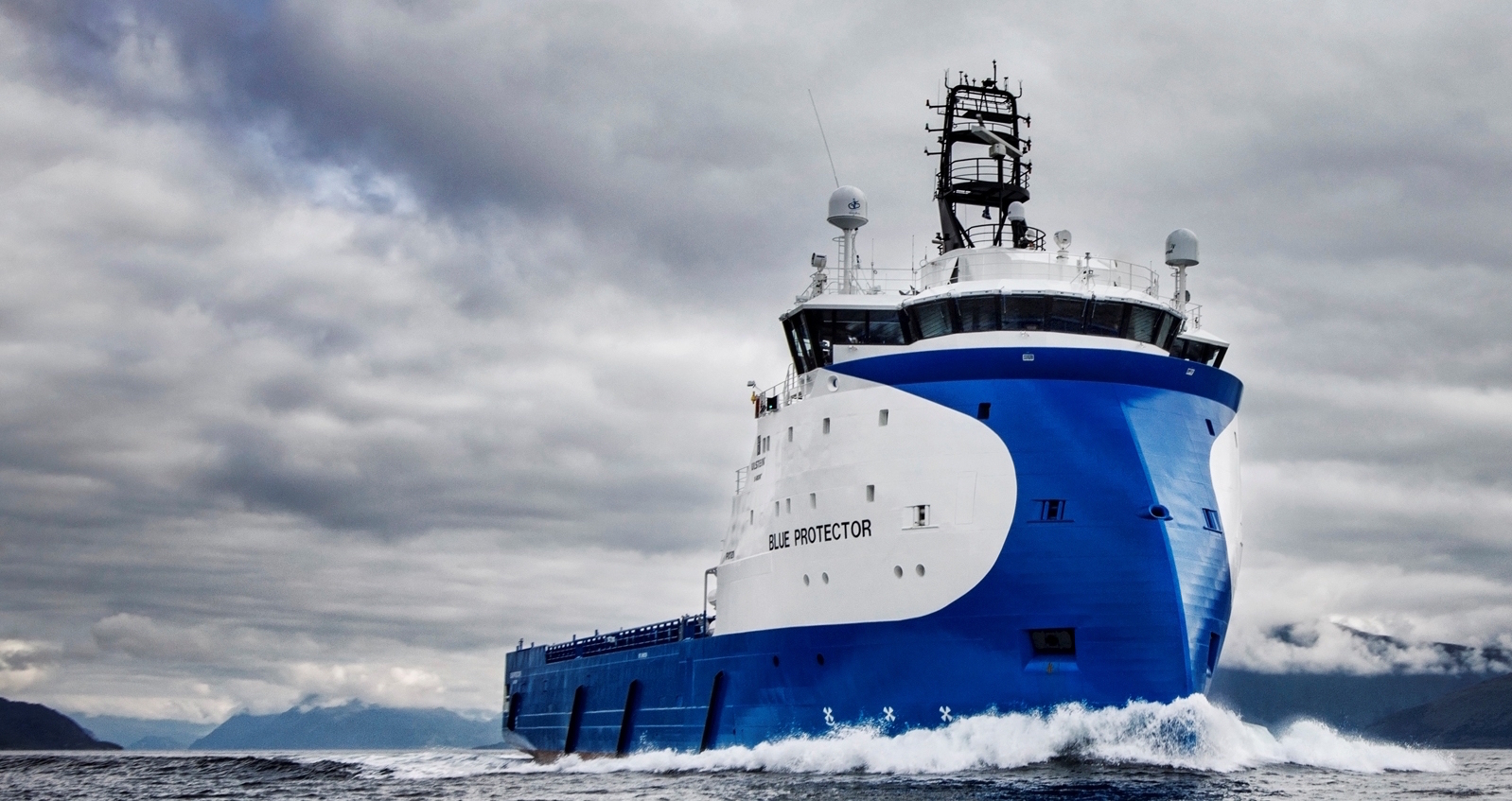
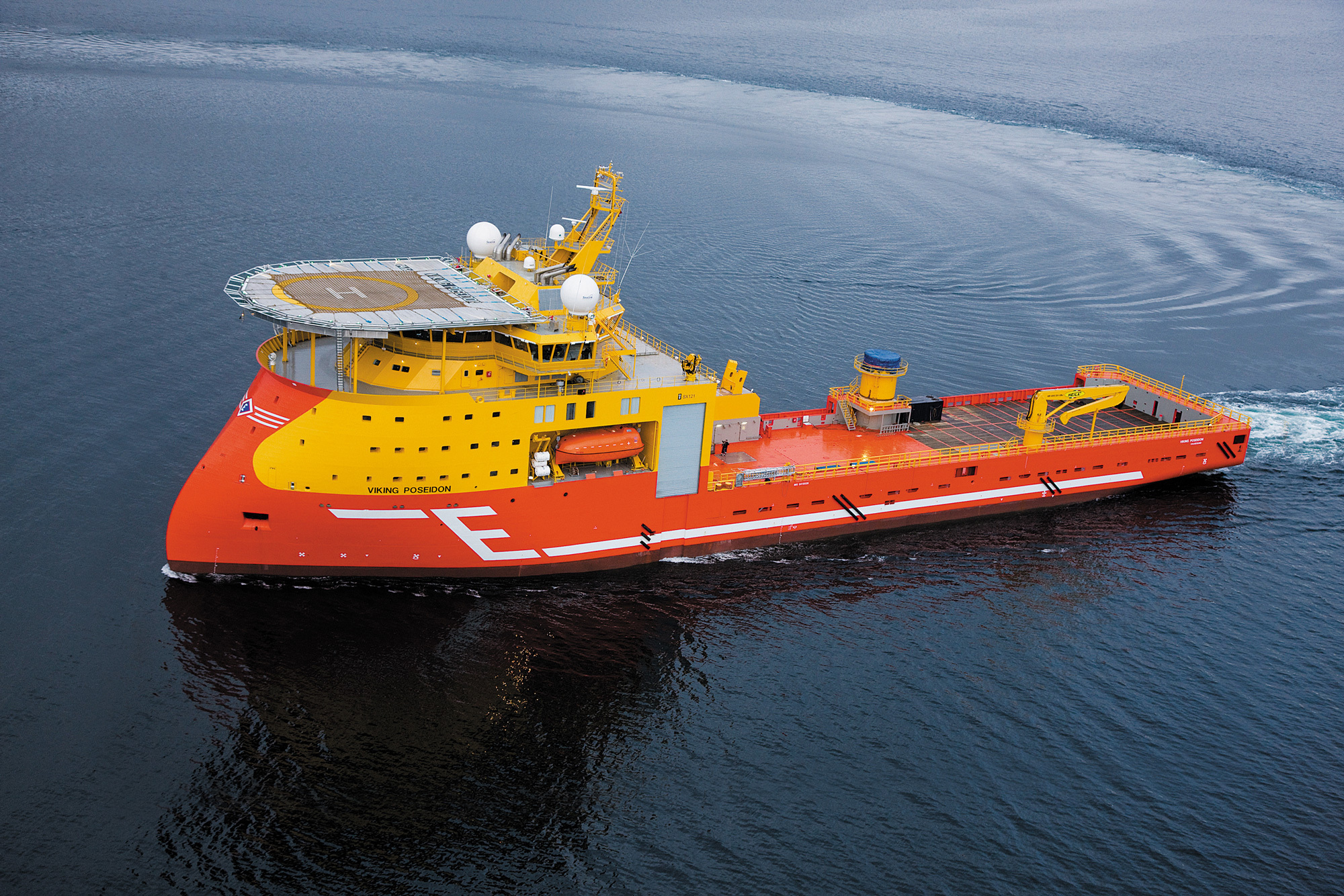
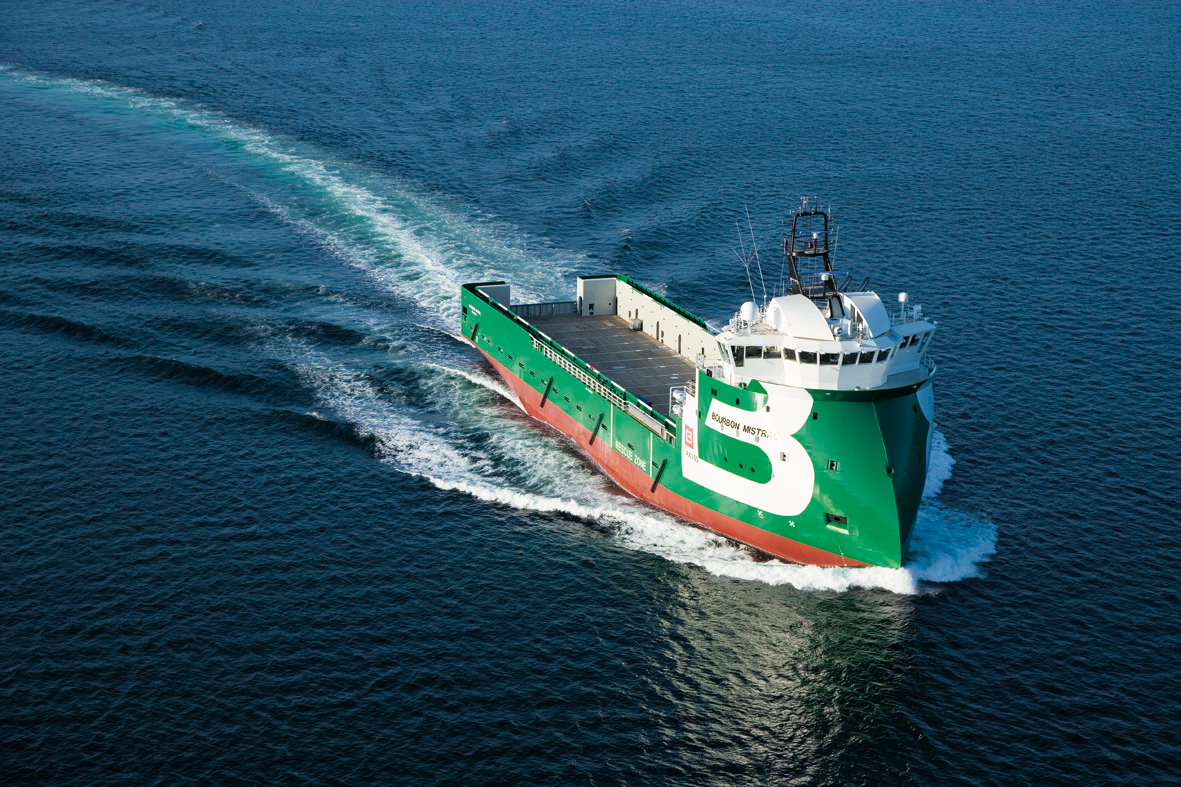

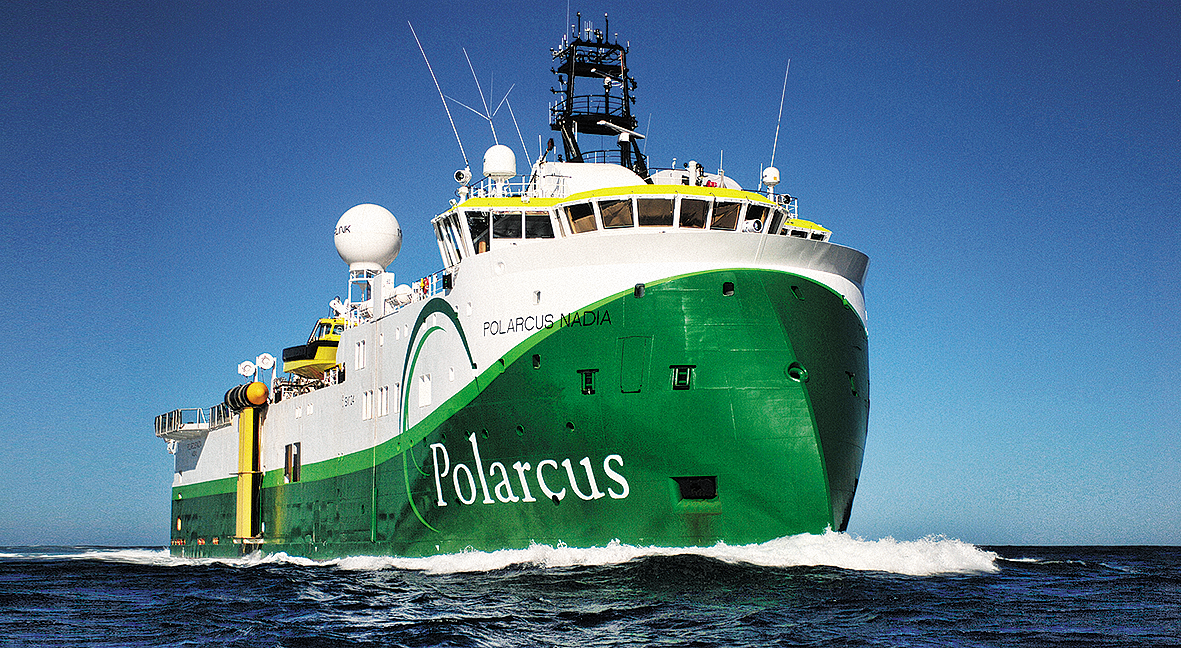
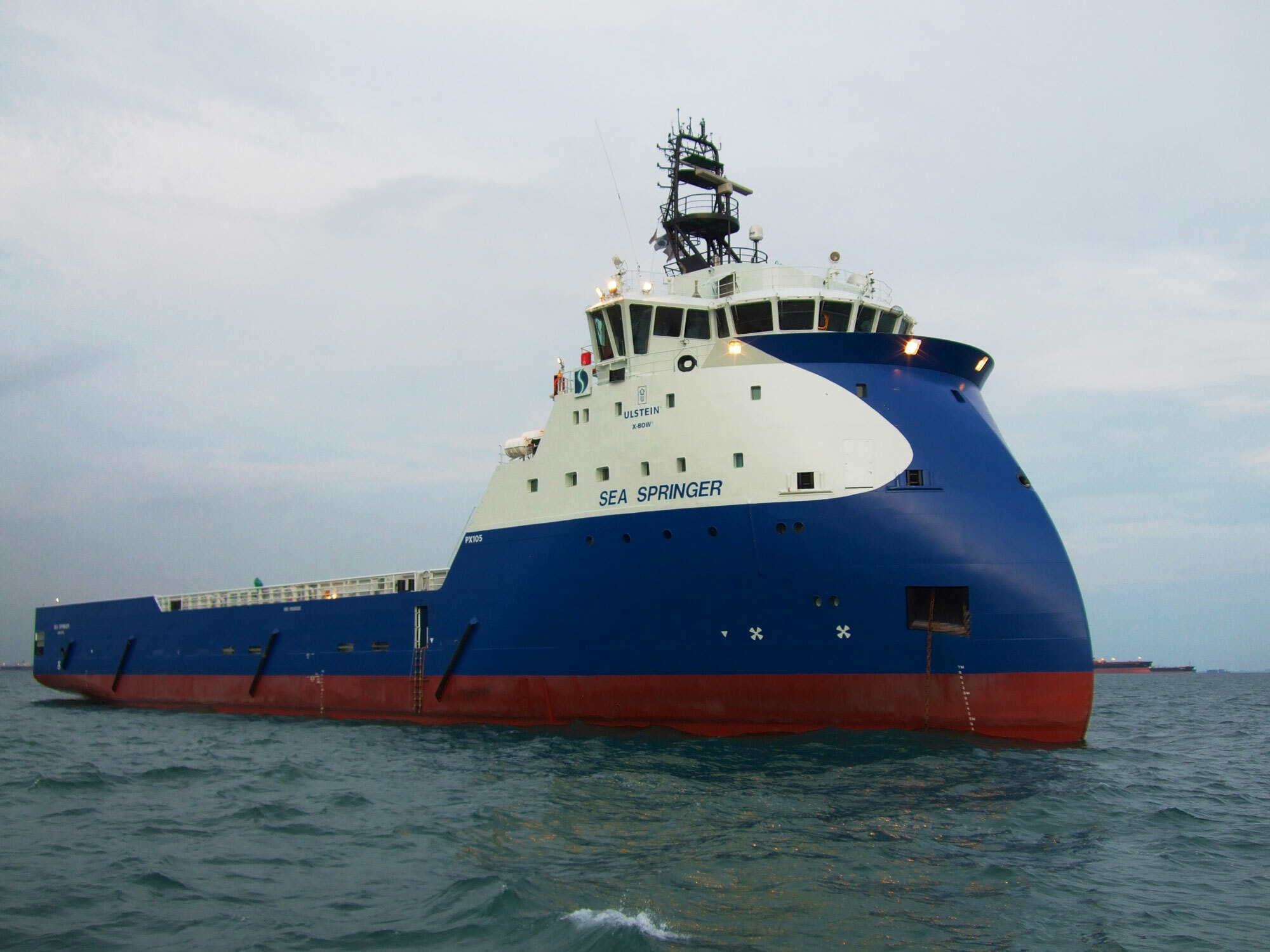
The X-BOW was developed during 2003-2004, a challenging period for the offshore industry, and was introduced to the market in 2005, alongside the contract for the first vessel, 'Bourbon Orca', an anchor-handling tug supply vessel for Bourbon Offshore Norway.
With a slender hull water line and a smoother volume distribution in the foreship, the vessel is particularly suited to navigational conditions in harsh waters such as the North Sea. One of the payoffs is better handling and reduced pitching in rough seas.
The first X-BOW vessels were designed for the offshore oil and gas industry. In recent years, the X-BOW has been introduced on vessels serving other segments, including the offshore renewables industry, expedition cruise, yachts, and trawling.
Announcing the X-BOW on 4 April, 2005
When the X-BOW was introduced in 2005, the press release stated the following:
NEW BOW DESIGN
The first thing one notices about an ULSTEIN AX104 vessel is the new bow shape. The bow is the opposite of what is common; in other words, it slopes backwards instead of forwards. This concept is called ULSTEIN X-BOW.
“The vessel cleaves the waves in such a way that noise and vibration in the vessel are reduced. The hull’s shape reduces slamming against the vessel, and there is little sea spray on deck. This contributes to greater operational safety in rough seas,” stresses Tore Ulstein."
(At this time, Tore Ulstein was president of Ulstein Design AS, the newly established design company in Ulstein).
“Thinking new is important at Ulstein Design and something we try to do. However, thinking new is not enough; you have to have bold shipping companies that dare to be first. Bourbon Offshore Norway has proved to be in this category. They immediately got excited about the bow’s shape, and the vessel is thus now being built,” he says.
“We really liked the bow design, and the model tests showed that it is terrific compared with conventional designs,” says Bourbon Offshore Norway’s marketing director, Trond Myklebust.
“Besides lower fuel consumption, the bow improves comfort onboard, which results in a better-rested crew. By choosing a vessel of this type, we are setting a completely new standard for offshore vessels of the future,” he says.

Feedback from the first vessel
The first ULSTEIN X-BOW vessel, 'Bourbon Orca', was delivered in 2006.
The first vessel feedback came from the steward: "I don't have to ask the Captain to reduce speed while I'm preparing dinner. The casseroles stay put."
The next feedback came from the Captain: "We're surfing on top of the waves".
X-BOW NO. 100
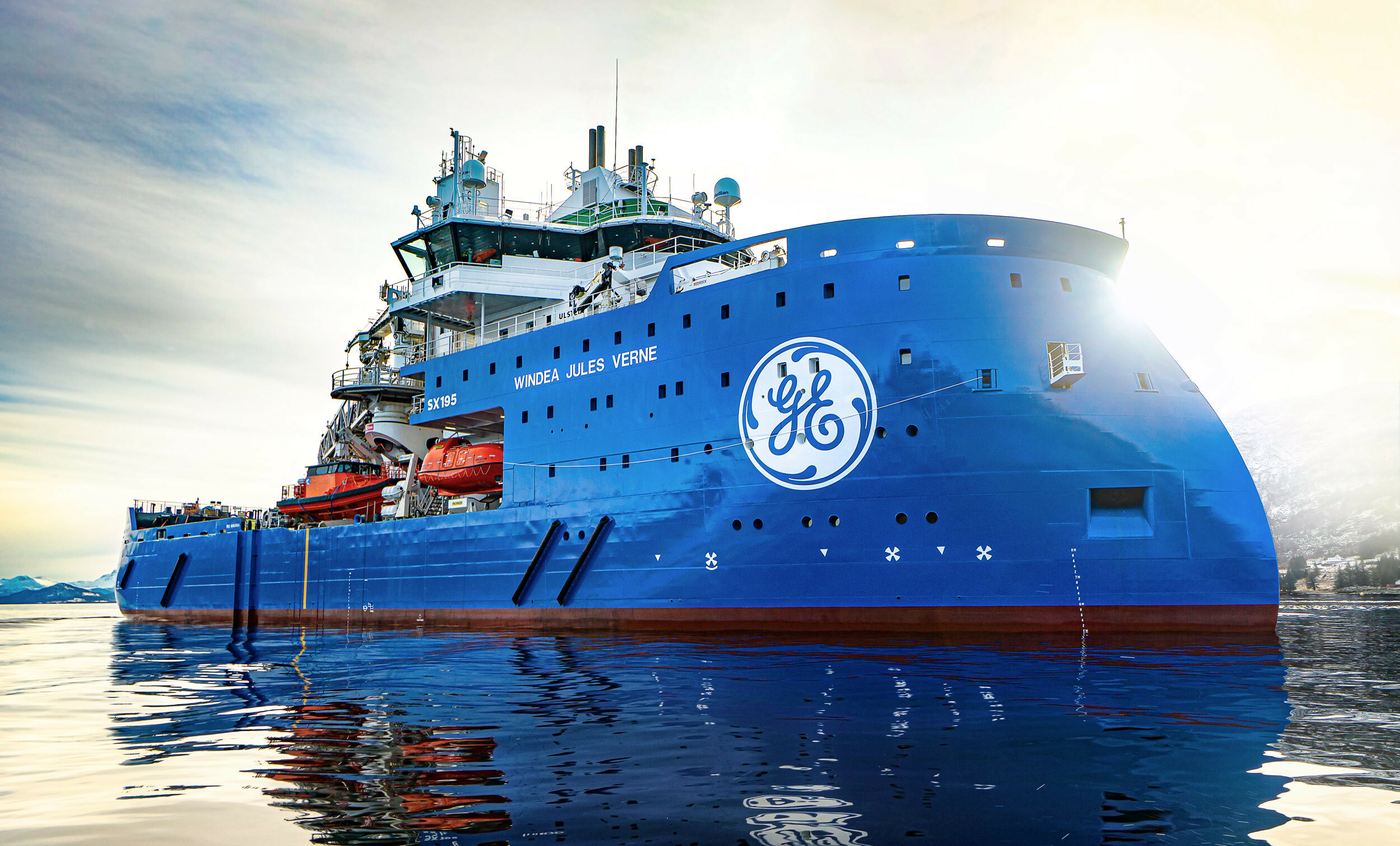
In 2016, the number of X-BOW designs sold passed the 100 mark, with contracts for two Service Operation Vessels, Windea La Cour and Windea Leibniz, with Bernhard Schulte.
Alternative fuel concept
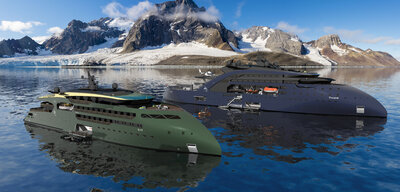
The X-BOW is also used in conceptual designs, here in the Thorium-powered ULSTEIN THOR and the full-electric cruise vessel ULSTEIN SIF.
X-STERN®
Later (2015), the X-STERN® was introduced. This aft design element is a natural evolution of the X-BOW®, and the first deliveries (2016/2017) were two service operation vessels for the offshore wind industry.
TWIN X-STERN®
The TWIN X-STERN is a vessel with the agility of a four-wheel-drive, but on the open seas. It has several characteristics, but the easiest way to describe it is as a ship with two sterns and main propeller units at each end. By excellently performing in either direction, you avoid turning the ship to follow weather changes. The first such vessel, the CSOV Olympic Boreas, was delivered to Olympic in 2024.
Innovation
Innovation is a key strategy in Ulstein Group. We continually challenge established thinking and look for new ways to solve problems. True progress often requires step‑change, the kind of disruptive innovation that moves an industry forward, and we embrace that challenge.
The maritime industry is inherently cyclical, with both upturns and downturns. Yet these fluctuations also create room for creativity. Tough periods can spark new ideas, approaches, and technologies. Ulstein remains committed to using these opportunities to develop and deliver forward‑looking solutions, products and concepts to the market.
Innovation is not something we do only when times are favourable; it is a mindset we carry with us at all times.